Rabuka signals new era for Fiji's sugar industry with modern mills
Mr Rabuka said the proposed new mill for Rakiraki reflected the direction Fiji's sugar industry needed to take.
Friday 07 August 2026 | 08:00

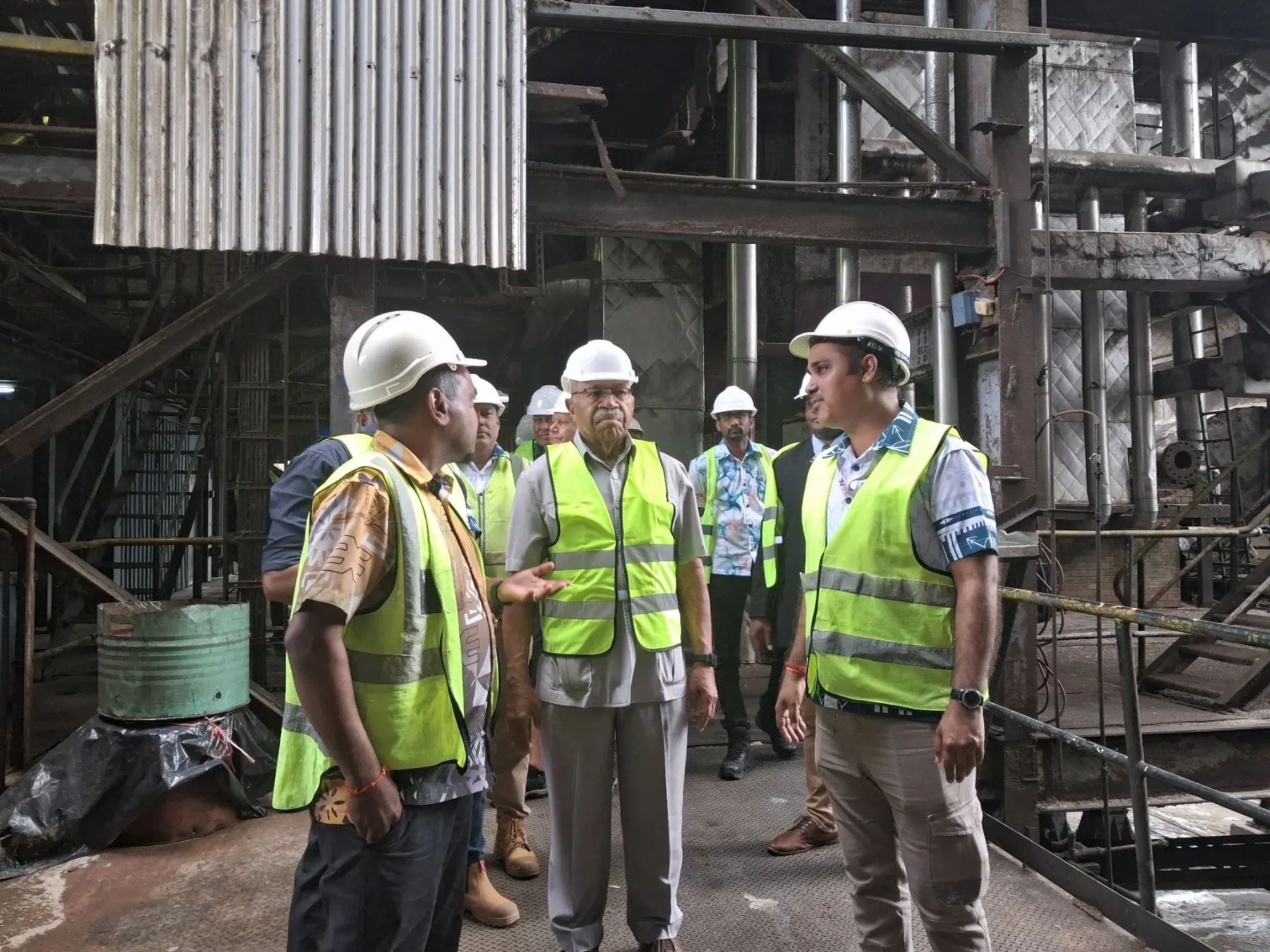
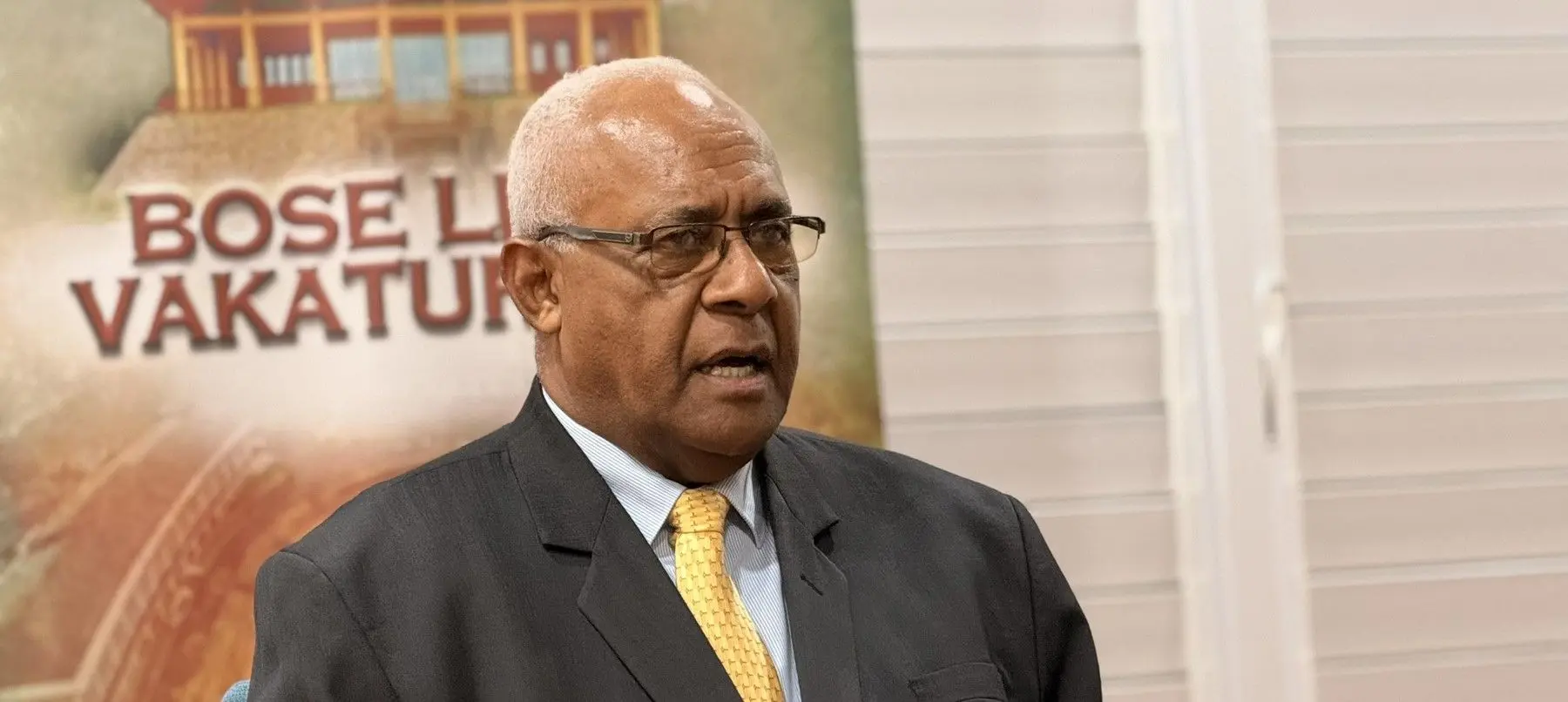
Prime Minister Sitiveni Rabuka during a visit to the Fiji Sugar Corporation mill in Labasa on August 6, 2026.
Photo: Devisha Prakash
Prime Minister Sitiveni Rabuka has signalled a major shift in Fiji's sugar industry, saying the country's ageing sugar mills must eventually give way to a new generation of smaller, more efficient mills.
Speaking after touring the Fiji Sugar Corporation's Labasa Mill yesterday, Mr Rabuka said the existing mills had reached the end of their operational life and were becoming increasingly difficult and costly to maintain.
"It will have to be new mills," he said.
Related stories
"Their vintages are long gone. These ones have no replacement parts. We need to look at the new generation of mills and new systems, which are smaller but more effective."
Mr Rabuka said the proposed new mill for Rakiraki reflected the direction Fiji's sugar industry needed to take.
While he did not confirm plans for another new mill in the North, he said smaller mills could become an option in the future. He also suggested reviving rail transport by making use of the old railway lines linking cane farms to the mills.
The Prime Minister also addressed concerns over the shortage of skilled workers at FSC, saying apprentices often left for better-paying jobs after completing their contracts.
"We cannot hold people," he said.
"They have to work their contract and move out. We just have to open up the training institutions so that we have skilled people."
He said Fiji's labour market was currently driven by employer demand but believed the situation would improve as more skilled workers entered the workforce.
Responding to concerns about the deteriorating staff quarters at the Labasa Mill, Mr Rabuka said responsibility for upgrading the accommodation rested with FSC.
"They will have to come up with their programme of replacement or renewal," he said.
Mr Rabuka also spoke about supporting cane farmers through resettlement close to their existing farming communities, saying landowners were becoming more receptive to long-term community development and the concept of planned villages.