Women must have a seat at disaster planning table
Ms Rakuita made the comments during a side event on unlocking gender-responsive disaster finance in Koror, Palau.
Friday 04 September 2026 | 07:30
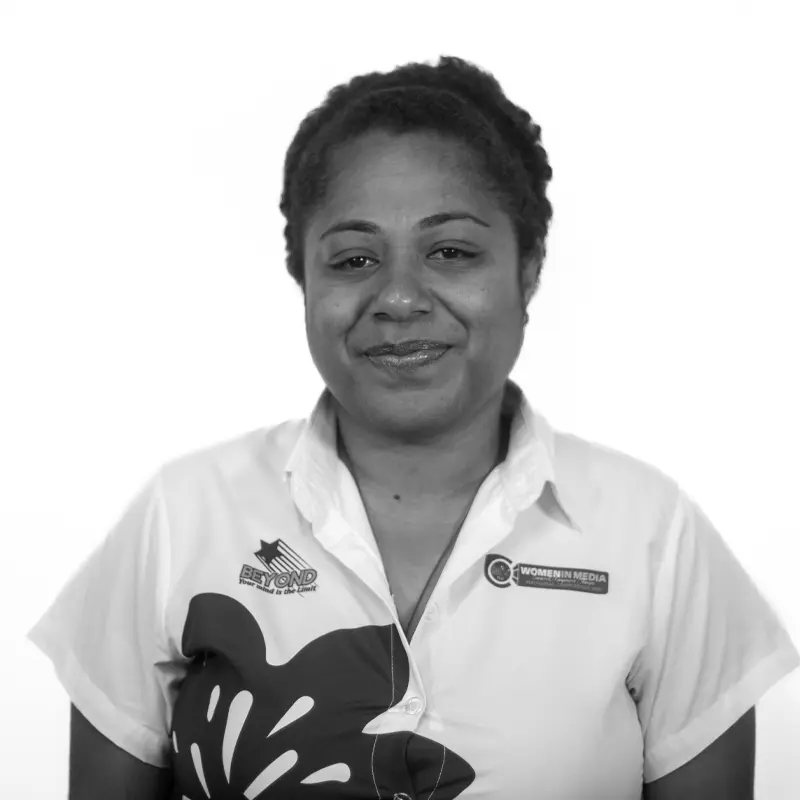
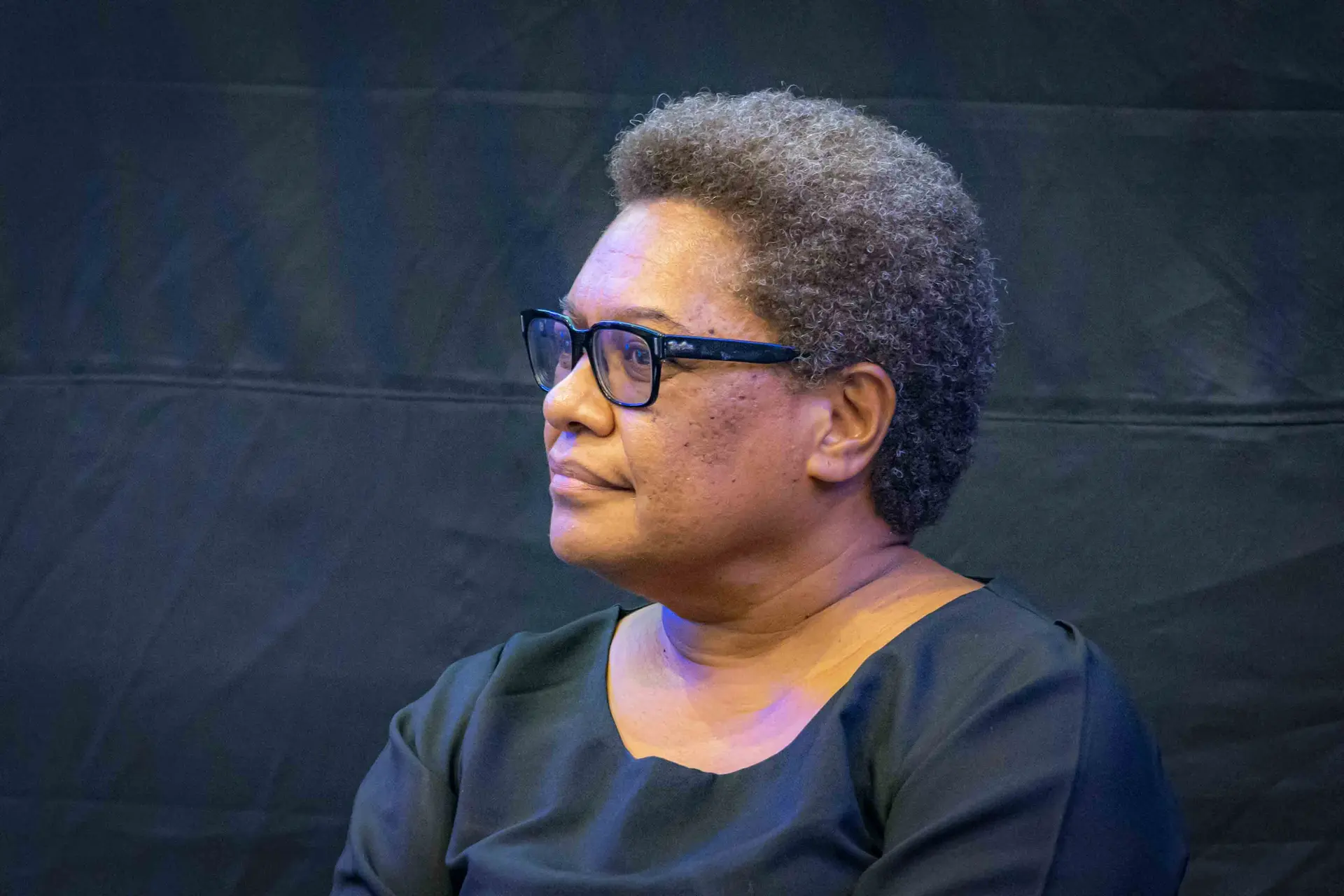
Pacific Community Principal Strategic Lead for Pacific Women, Mereseini Rakuita,
Photo: Talei Roko
Women and men must be included in decision-making on disaster response and climate financing to ensure projects meet the needs of entire communities, says Pacific Community (SPC) Gender Equality Flagship Lead Mereseini Rakuita.
Ms Rakuita made the comments during a side event on unlocking gender-responsive disaster finance in Koror, Palau.
“When we talk about disasters and climate financing and rebuilding infrastructure, we're talking about people,” she said.
Related stories
Ms Rakuita highlighted the need to bridge the gap between data and implementation, saying decisions must reflect the different needs and priorities of people on the ground.
She referred to two examples from Fiji where women were left out of community decisions.
In one case, women were not included in village relocation plans and moved into new homes only to find there was no kitchen.
In another, men had decided to prioritise building houses for the chief and pastors, while women had prioritised a school.
“To make sure that it's fit for purpose for every person, you've got to hear the diverse voices of people,” she said.
Ms Rakuita said disasters had a disproportionate impact on women and men, with women often facing greater impacts.
“And we already know that for disasters, it's the impact on women, there's a disproportionate impact on men and women. Women face it more than men. We heard about sexual violence; it spikes during disasters.
“Men and women need to be sitting together at the table.”
She said a lack of broader consultation could result in more money being spent on projects that did not fully meet community needs.
“A lot of these interventions may not necessarily cost money when done the right way.”
Ms Rakuita said modern science and traditional knowledge must complement each other to ensure people on the ground were better informed.