Australia to host next Pacific Defence Meeting
Australia’s bid to host the 2027 meeting was unanimously endorsed at the conclusion of the Fiji gathering.
Friday 25 September 2026 | 06:00
Updated 25 September 2026 | 07:34 FJT

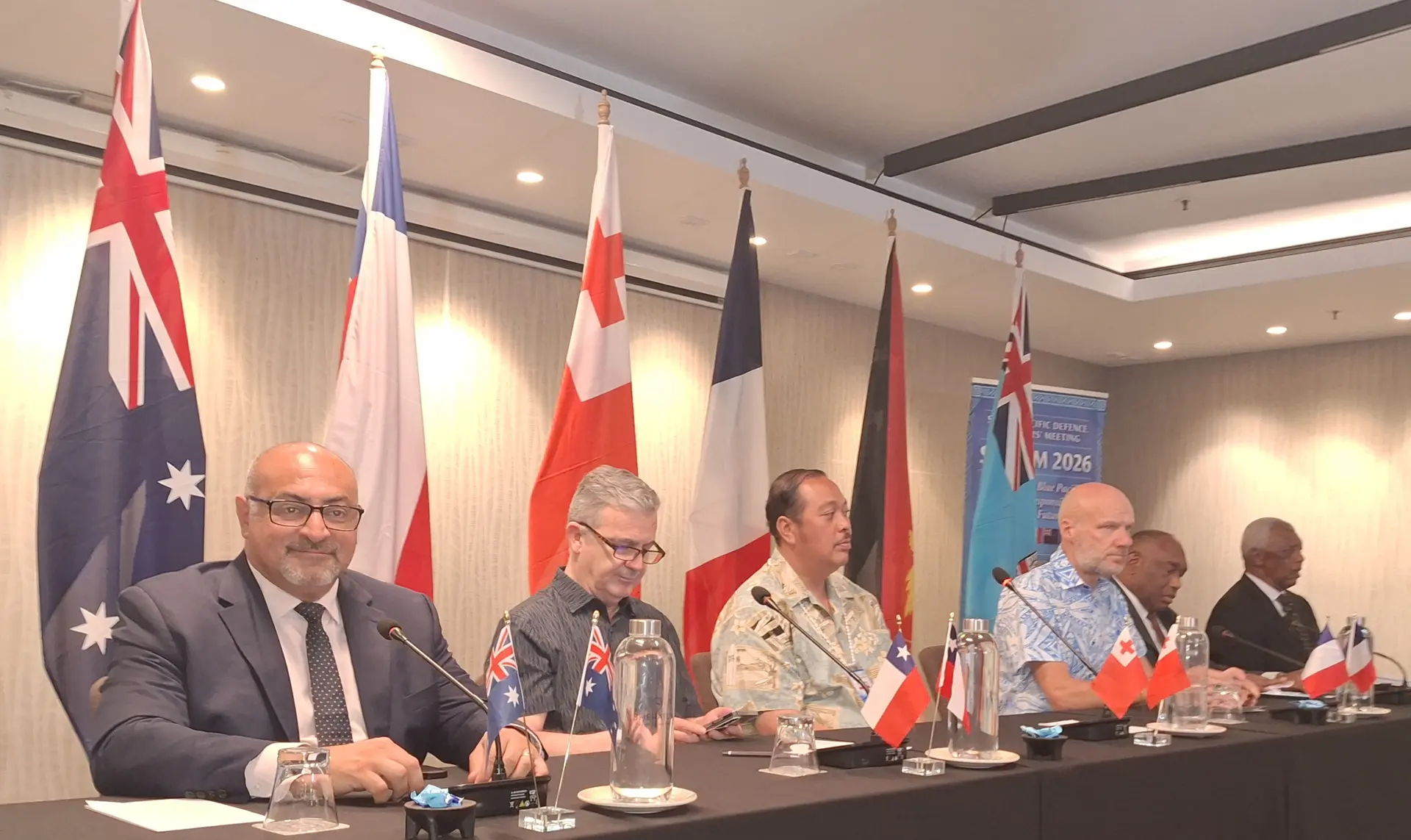
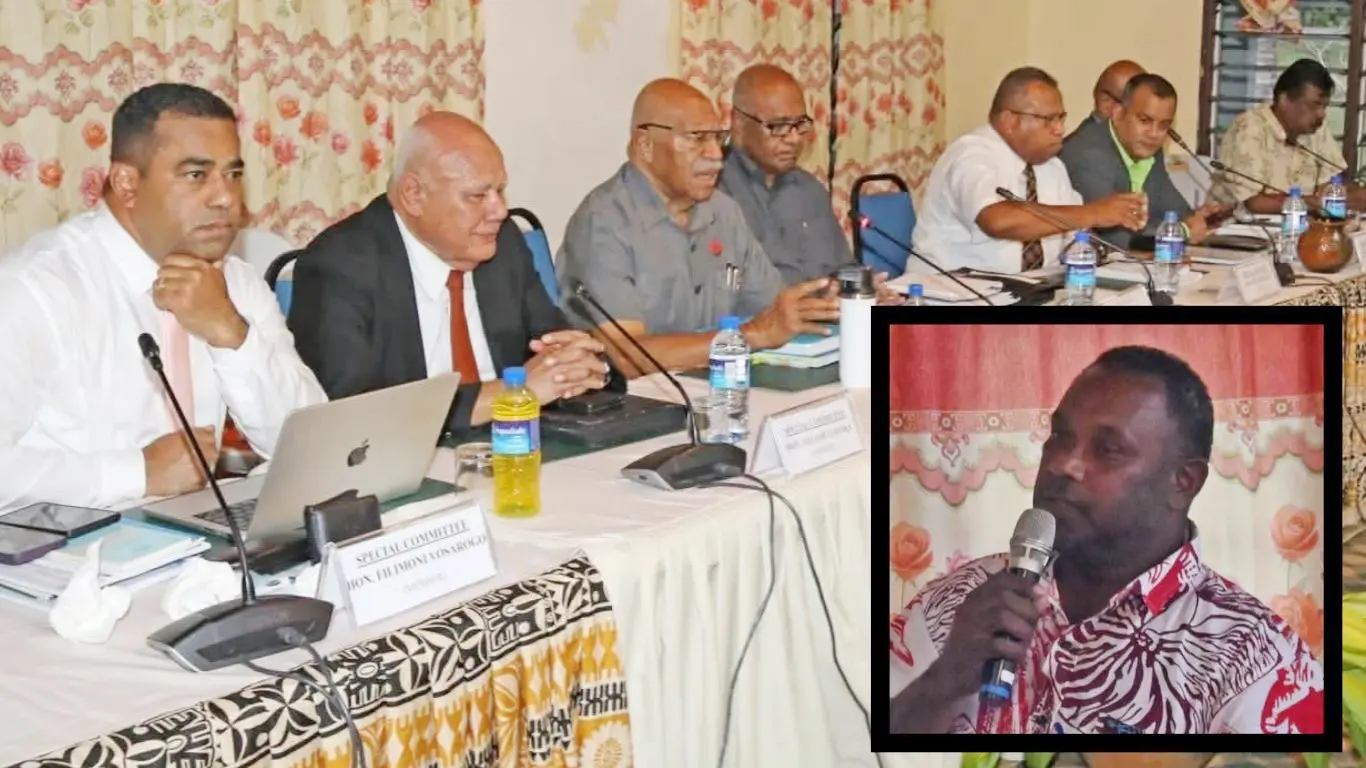
Australian Defence Minister Peter Khalil (far left) with his counterparts.
Photo: Waisea Nasokia
Australia will take the lead in the Pacific’s next major defence dialogue, hosting the 12th South Pacific Defence Ministers’ Meeting (SPDMM) in 2027 as regional military cooperation moves towards a stronger and more coordinated security architecture.
Australian Defence Minister Peter Khalil confirmed Canberra’s hosting of next year’s meeting after Australia’s offer was unanimously endorsed by SPDMM members at the conclusion of the 2026 meeting in Fiji.
Mr Khalil said Australia had “big shoes to fill” after Fiji’s successful hosting of the 2026 SPDMM.
Related stories
“Fiji’s SPDMM 2026 was a spectacular success,” he said. “We have big shoes to fill.”
But behind the handover is a broader regional security agenda, with Pacific nations seeking stronger cooperation between their militaries while maintaining sovereignty, independence and Pacific-led solutions.
Mr Khalil said Australia would continue to position itself as a partner the region could rely on.
“We will continue to listen to our neighbours, our partners and our allies, support Pacific-led solutions and work together to help preserve that peaceful, stable and prosperous Blue Pacific region in which sovereignty is respected,” he said.
At the centre of evolving regional defence cooperation is the Pacific Response Group (PRG).
Mr Khalil welcomed the progress made by the PRG, saying Pacific militaries had already demonstrated their ability to work together effectively in humanitarian assistance and disaster relief operations.
But its role could now become broader. He said members were looking at expanding the PRG beyond disaster response into wider peace, security and stabilisation efforts.
The development marks a step towards building practical regional military capability while responding to the security and disaster challenges facing Pacific island countries.
“When our militaries work together, and we have that coordination and that cooperation, we are very much an asset for the region, for the peace, stability and security of our region,” Mr Khalil said.
“In many respects, we are investing in shared resilience.”
He said the SPDMM remained critical because it provided a forum for defence ministers to discuss shared security priorities and, importantly, agree on substantive actions to strengthen cooperation.
“This SPDMM, as we call it, is vitally important to Australia and to all of us in this region,” he said.
Mr Khalil also stressed that Pacific security cooperation was built around relationships rather than transactions.
He said Pacific countries shared fundamental values, including the protection of sovereignty and independence, maintaining a free and open Pacific and protecting the way of life of Pacific peoples.
“When we make our contributions as part of the Pacific family, we’re doing so because we are investing in a relationship that has solid foundations as a family,” he said.
The 2027 meeting will also provide Australia with an opportunity to build on stronger links between the SPDMM and the Pacific Islands Forum (PIF).
The PIF Secretary-General attended this year’s meeting, and Mr Khalil confirmed that the position would now have a standing invitation to future SPDMM meetings.
He said the move would strengthen coordination between the region’s political and defence institutions.
“This really strengthens our linkages between the Pacific Islands Forum and the SPDMM, supporting a much more integrated and coordinated regional security architecture,” he said.
With Australia hosting the Rugby World Cup next year, Mr Khalil joked that defence diplomacy could also share the spotlight with the world’s biggest rugby tournament.
“We’re going to have to organise many of the meetings to coincide with some of the big games so that we can at least attend those games and do some business on the sidelines as well,” he said.
For the Pacific, however, the 2027 SPDMM agenda will extend well beyond rugby.
It will focus on how regional militaries work together, how the PRG evolves and how Pacific nations strengthen their collective ability to respond to threats, disasters and security challenges while keeping the region’s sovereignty and Pacific-led priorities at the centre.