Fijians urged to learn from TC Winston’s devastation, prepare now
Two to three tropical cyclones are forecast this season, with one or two potentially reaching Category 3 to 5 strength.
Tuesday 20 October 2026 | 14:00

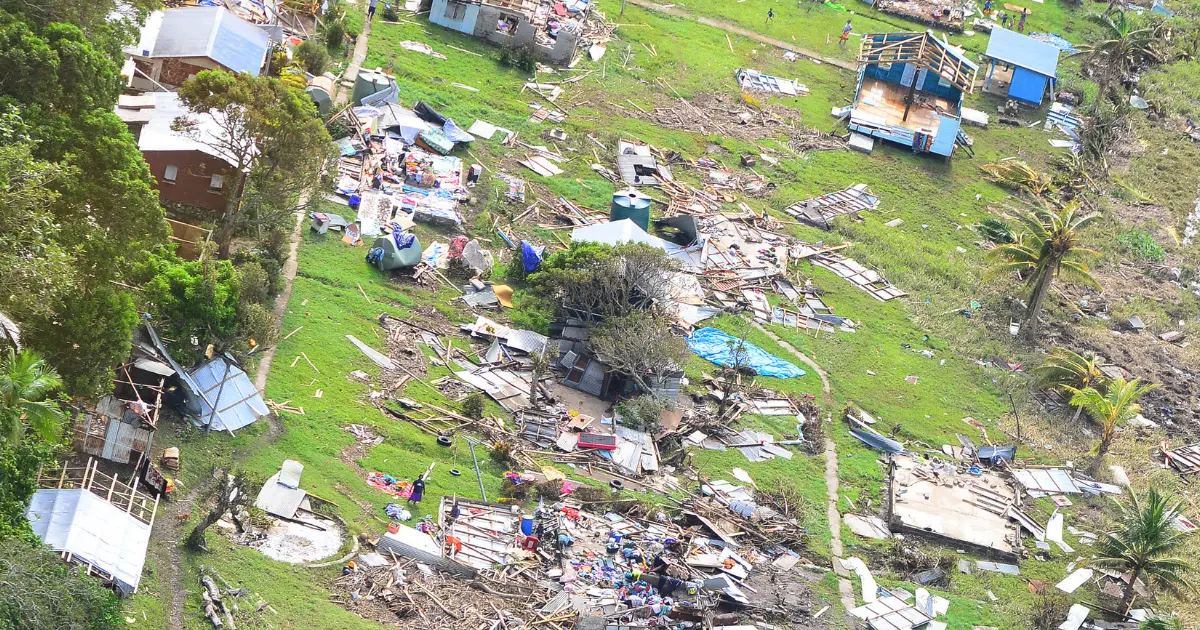
Category 5 Tropical Cyclone Winston left a trail of destruction on Motoriki Island and other parts of Fiji in February 2016.
Photo: Fiji Sun archives
Ten years after Tropical Cyclone Winston killed 44 people and damaged or destroyed more than 30,000 houses, authorities are urging Fijians to prepare early for the coming cyclone season and avoid becoming complacent.
Two to three tropical cyclones are forecast this season, with one or two potentially reaching Category 3 to 5 strength.
National Disaster Management Office (NDMO) director Napolioni Boseiwaqa urged people to take the threat seriously and prepare before disaster strikes.
“We urge everyone to take preparedness very seriously,” Mr Boseiwaqa said.
His warning comes as Fiji remembers the devastation caused by TC Winston, which struck the country on February 20, 2016, as a Category 5 cyclone.
The cyclone killed 44 people and damaged or destroyed more than 30,000 houses, along with hundreds of schools and health facilities. Communities across Fiji were affected, with essential services, including electricity, water and communications, disrupted.
“The impact showed how quickly a severe cyclone could destroy homes, damage livelihoods and leave families without basic necessities,” Mr Boseiwaqa said.
He also referred to the 2015 El Niño event and the events that followed when Winston struck Fiji the next year.
“People to learn from past experience and take the necessary precautions ahead of the cyclone season,” he said.
Although the forecast does not mean Fiji will necessarily be hit by three cyclones, the possibility of severe systems makes early preparation essential.
The Government has begun planning for potential impacts and is conducting operational readiness checks across district offices and other government authorities.
The NDMO is also using National Disaster Risk Awareness Week to strengthen preparedness and test coordination among agencies during emergencies.
The annual programme includes exercises involving first responders and scenarios such as cyclones and tsunamis. These exercises test existing systems and processes and help strengthen cooperation between Government agencies and civil society.
Mr Boseiwaqa said disaster information was being shared through print media, radio and local government structures to ensure messages reached communities, including those in rural areas.
“But preparedness also depends on individual households taking action before a storm approaches,” he said.
Families are being urged to take official warnings seriously, secure their homes, prepare essential supplies and know where to go if evacuation becomes necessary.
Feedback: rariqi.turner@fijisun.com.fj