Indonesia's wildfires: Fighting the flames is not enough
In the long run, the true measure of success will not be how much money is spent fighting wildfires, but how many fires never happen at all.
Friday 28 August 2026 | 16:30
Updated 18 September 2026 | 17:23 FJT

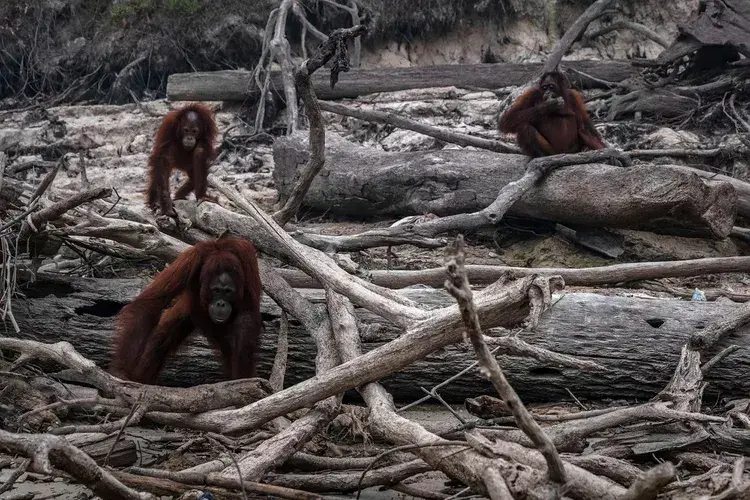
Every year, Indonesians brace themselves for the arrival of the dry season. And almost every year, headlines emerge about forests burning, peatlands smouldering, communities battling smoke, and wildlife losing their homes.
To its credit, the Indonesian government has shown that it is prepared to spend heavily when disasters strike. The government recently allocated Rp5 trillion (US$283m) for disaster management through its National Disaster Management Agency, including efforts to combat forest and land fires, and has indicated that additional funding can be made available if needed.
But while emergency funding and firefighting efforts are essential, they also raise a difficult question: why does so much attention come after the fires have already started?
Related stories
Indonesia's wildfire problem is not new. Authorities, including the Meteorology, Climatology, and Geophysics Agency (BMKG), regularly warn that drier and hotter conditions during the dry season increase the risk of forest and land fires. In North Sulawesi, BMKG urged residents and farmers to remain vigilant and avoid slash-and-burn practices because of the elevated fire danger.
The warnings are there. The risks are known. Yet every major fire season still leaves a trail of destruction.
One of the biggest concerns is Indonesia's vast peatlands. Unlike ordinary forest fires, peat fires can burn beneath the ground for weeks or even months. They are much harder to extinguish and often reignite long after surface flames appear to be under control.
According to IQAir, Indonesia's forest and peatland fires continue to threaten ecosystems, public health and air quality during periods of heightened fire activity.
The environmental cost is enormous.
Among the silent victims are orangutans, one of Indonesia's most iconic species. When forests burn, orangutans lose food sources, nesting areas and migration routes. Young orangutans are particularly vulnerable because they depend on forest cover and their mothers for survival. As fires repeatedly affect forest habitats, already threatened populations face even greater pressure.
The destruction does not stop with wildlife. Peatlands are among the world's most important natural carbon stores. When they burn, they release vast amounts of carbon into the atmosphere, worsening climate change and increasing the likelihood of future extreme weather conditions. In many ways, each fire season creates the conditions for another one.
This is why wildfire management should not be measured solely by how quickly fires are extinguished. It should also be measured by how effectively fires are prevented.
That does not mean criticism of the government's response efforts. Firefighters, emergency personnel and agencies responding on the ground perform vital work under extremely difficult circumstances. When homes, livelihoods and ecosystems are under threat, emergency response funding is indispensable. The Rp5 trillion allocation demonstrates that the government understands the seriousness of the situation.
However, prevention often receives less public attention than crisis response, even though it may ultimately be more effective and less expensive.
Imagine if a greater share of resources were directed towards restoring peatlands before the dry season begins, strengthening early-warning systems, improving water management in fire-prone areas, supporting farmers with alternatives to burning, and increasing local fire-monitoring programmes. Imagine if protecting orangutan habitats and restoring degraded forests were treated as wildfire prevention strategies rather than purely environmental projects.
Such measures may not generate dramatic headlines, but they could help stop disasters before they start.
The reality is that no country can completely eliminate wildfire risk, particularly as climate conditions become more unpredictable. But reducing the scale and severity of fires is achievable. The warnings from BMKG, the recurring peatland crises, and the continued loss of wildlife habitats all point to the same conclusion: prevention must stand alongside response as an equal priority.
Indonesia has shown it is willing to spend billions when the flames are already burning. The next challenge may be investing just as seriously in ensuring those flames never grow out of control in the first place.
In the long run, the true measure of success will not be how much money is spent fighting wildfires, but how many fires never happen at all.