Beijing hotline offers lessons for Fiji
As Fiji and other Pacific countries consider ways to improve service delivery, the focus remains on access, accountability and follow-through.
Saturday 17 October 2026 | 09:30

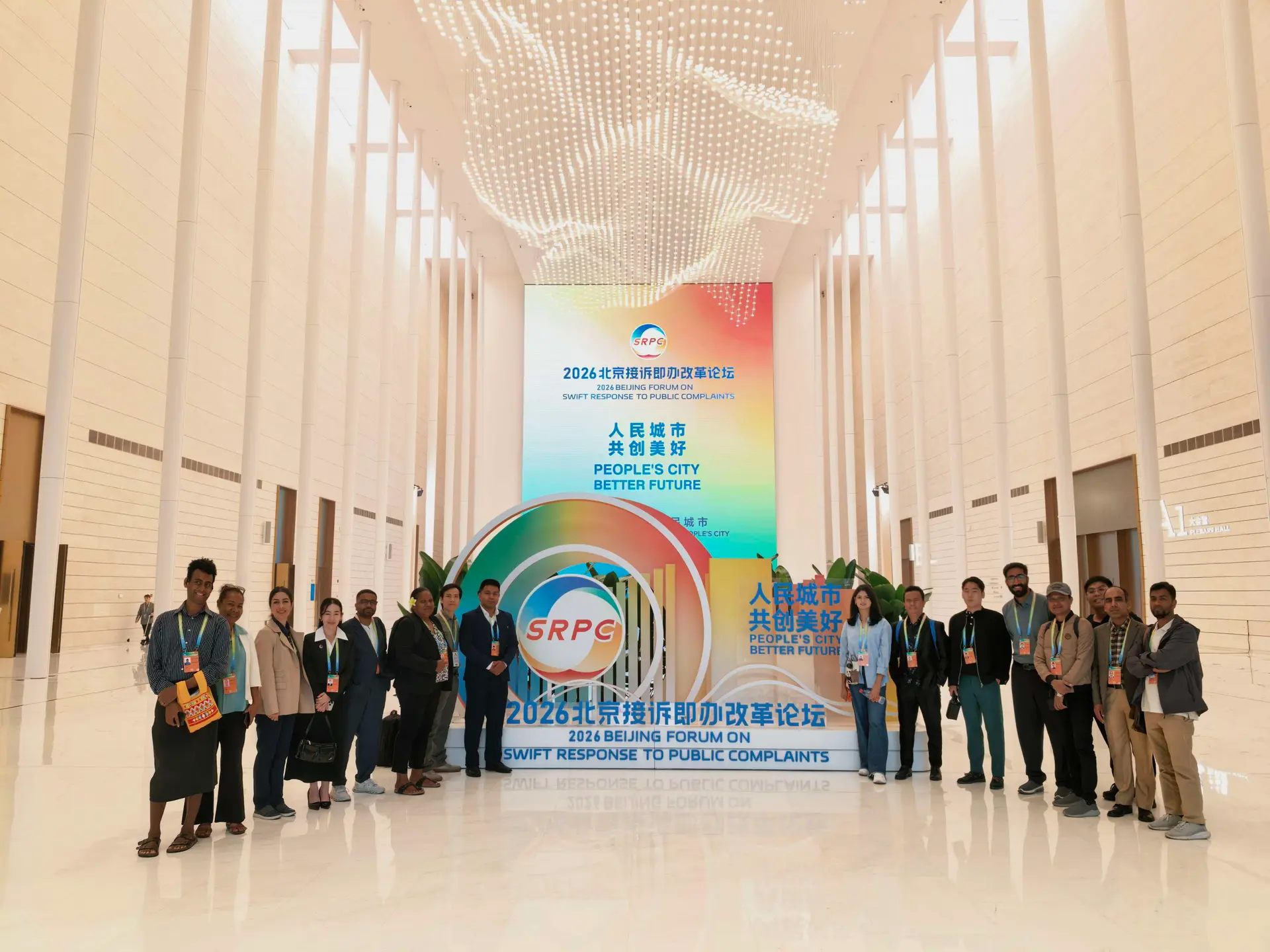
Fiji Sun multimedia journalist (first from left) among participants from the CIPCC 2026 batch attending the 2026 Beijing Forum on Swift Response to Public Complaints.
Photo: Supplied
When a resident in Beijing, China has a problem, there is one number they can call to make their concerns heard.
Whether it is a complaint about public services or an issue affecting daily life, Beijing’s 12345 Citizen Service Hotline gives residents a central place to seek help.
Since the system was introduced in 2019, the Chinese capital has brought more than 60 government hotline services together, processing more than 200 million public appeals.
Related stories
For Fiji and other Pacific Island countries, the system offers an opportunity to consider how governments can listen to their people, respond to community concerns and improve public services.
These lessons are among the issues being explored during a one-week forum in Beijing, China, where participants from around the world are learning about the city’s approach to managing the needs of a large and growing population.

Participants from the CIPCC 2026 batch attending the 2026 Beijing Forum on Swift Response to Public Complaints.
The 2026 Beijing Forum on Swift Response to Public Complaints, held under the theme Digital Intelligence Era and People’s City, brought together more than 3,200 participants from over 70 countries and regions.
At the centre of the discussions is a simple idea: public complaints can be more than requests for help. They can also show governments where services are falling short and where changes are needed.
Beijing Mayor Yin Yong said the city was using big data and artificial intelligence to identify common problems and improve the way authorities respond to public needs.
The aim, he said, was to move from simply responding to complaints to identifying problems early and making better decisions.
“While cities around the world differ in history, culture, social structure and governance systems, the aspiration to deliver a better life to the people is universal,” Mr Yin said.
Lessons for Fiji and the Pacific
For Fiji, where communities are spread across rural areas, maritime islands and growing urban centres, making government services easier to access remains an important consideration.
People who need help with roads, rubbish collection, water supply or other public services may have to contact different offices to find out who is responsible for their concerns.
A central complaints system could provide a clearer way for people to report problems and follow up on the action taken.
For people living in remote communities, however, access would be key. Any system introduced in Fiji would need to consider those without reliable internet access, ensuring telephone services and face-to-face support remain available.
The same challenge applies to other Pacific Island countries, where distance and limited resources can affect how quickly public services reach communities.
Beijing’s experience shows how technology can help authorities manage large numbers of complaints and identify recurring concerns.
Rather than treating every complaint as an isolated case, officials can examine patterns to understand which problems affect the greatest number of people.
For Pacific governments, this approach could help guide decisions on where public services and resources are most needed.
But technology alone cannot solve the problem. Complaints must be followed by action, and people need to know whether their concerns have been addressed.
Putting people first
Official municipal data reports that Beijing’s complaint resolution and public satisfaction rates are both above 97 per cent.
These figures reflect results reported by the city, while outcomes in Fiji and other Pacific countries would depend on their own systems, resources and communities.
Mr Yin said Beijing would continue developing its public complaints system and exploring how digital technologies could support modern urban governance.
He also called for a people-centred approach, with accessible channels for public feedback and better services to meet residents’ different needs.
For participants attending the one-week forum, the experience provides an opportunity to examine how a major city uses technology to connect public concerns with government action.
Fiji and the Pacific may not be able to adopt Beijing’s system in the same way. Their populations, geography and resources are different.
However, the principle behind the initiative is relevant to communities of any size: people need a clear way to make their concerns known, and governments need a reliable way to respond.
As Fiji and its Pacific neighbours look at ways to improve public services, Beijing’s experience offers a lesson worth considering.
The real measure of good governance is not how many complaints a system receives, but whether people see meaningful action taken to address them.