Villager questions Govt’s response to hotel complaints
Sikeli Lagavakatini says enforcement action threatens small businesses that have supported Malomalo families for more than 30 years.
Sunday 18 October 2026 | 12:00

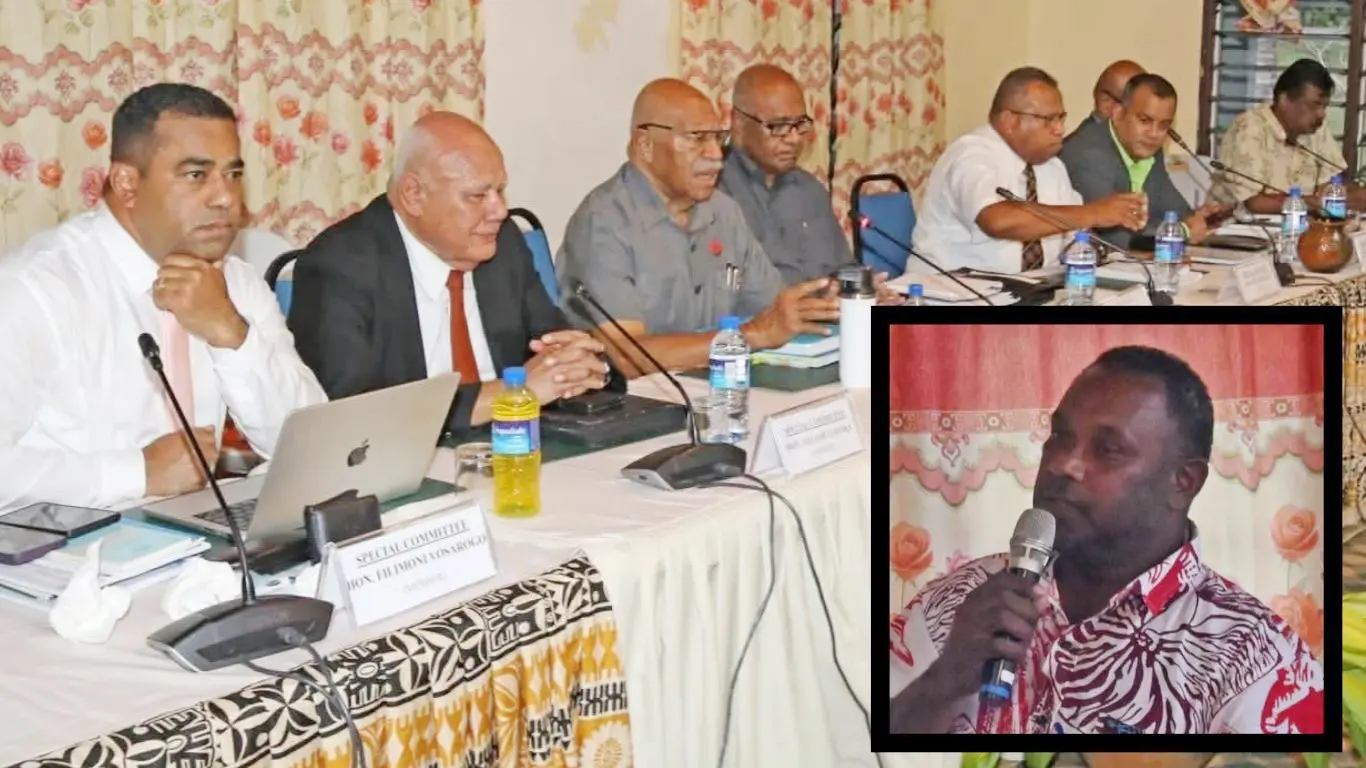
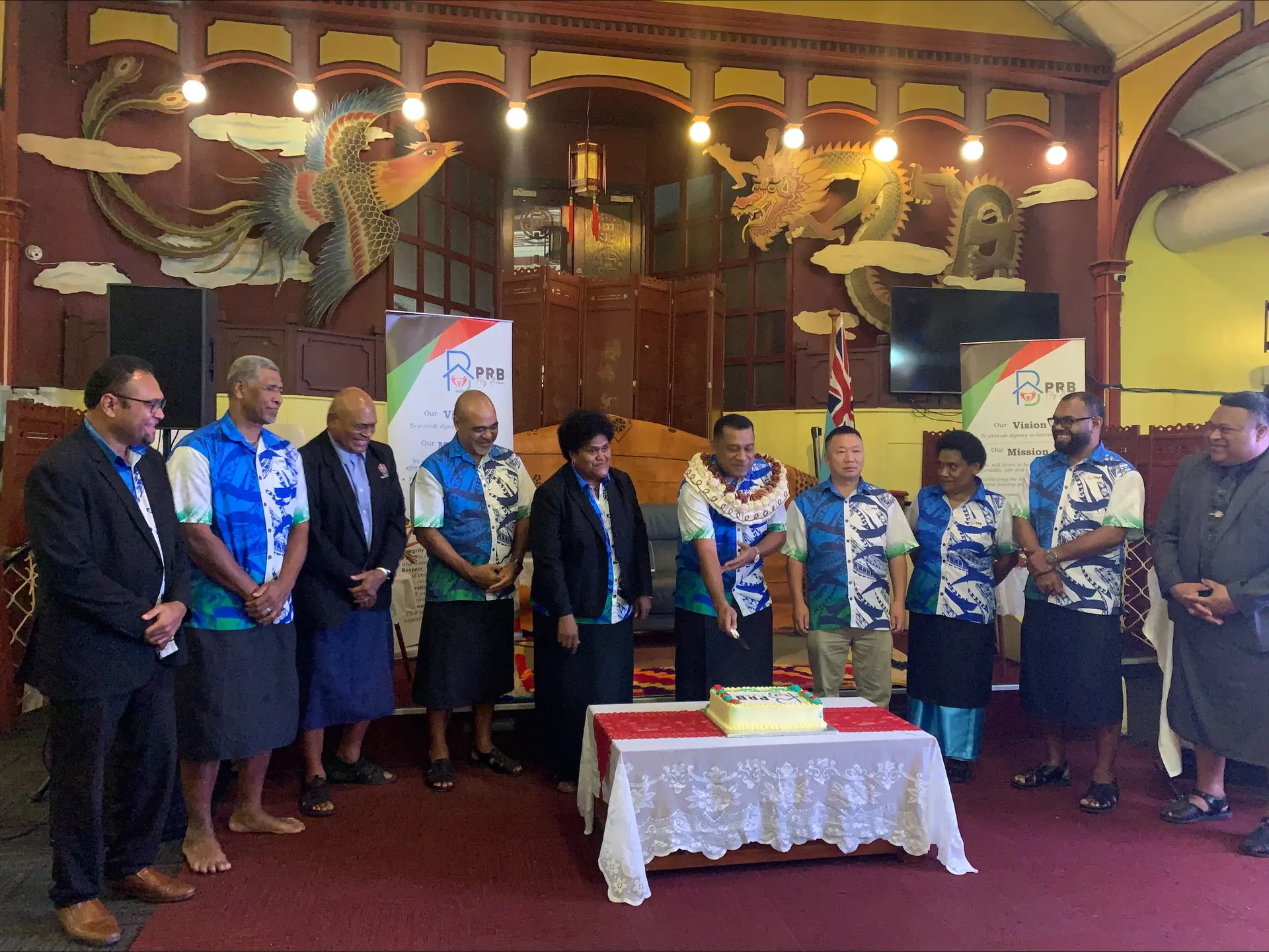
Members of the special committee to the Constitution Amendment Bill at Lawai Village in Sigatoka. Inset: Sikeli Lagavakatini.
Photos: Mereleki Nai
A Malomalo villager has accused the Government of listening to wealthy hotel executives while ignoring local people struggling to protect their livelihoods at Natadola Beach.
Sikeli Lagavakatini delivered the criticism directly to the Prime Minister and a parliamentary committee during a public consultation on Constitution Amendment Bill No. 32 at Lawai Village in Sigatoka on Friday evening.
He questioned why complaints allegedly made by hotel executives appeared to trigger swift law enforcement action against villagers operating small businesses at the beach, while the community’s own concerns remained unresolved.
Related stories
“Is it because they have money and we don’t?” Mr Lagavakatini asked.
He said villagers from Malomalo had operated food stalls, horse-riding services and massage businesses at Natadola Beach for more than 30 years, providing essential income for unemployed residents and their families.
However, he claimed repeated enforcement actions had threatened their businesses and raised concerns about whose interests the authorities were protecting.
“You listen more to these bosses from overseas who did not make a tick during the election and choose you. We are the ones down here who chose you to represent us in Parliament, to hear our cries and concerns. Yet you ignore us and listen to them,” he told the consultation.
Mr Lagavakatini named two big resorts in the area, alleging that complaints from their executives had contributed to enforcement action against local businesses.
He also questioned why Malomalo had effectively become a “red zone”, citing what he described as an increased law enforcement presence in the area.
“Were there a lot of criminal activities happening here?” he asked.
Mr Lagavakatini said villagers had previously raised their concerns with the Attorney-General and had been assured several months ago that they would not be removed from the beach.
However, he claimed that during a subsequent meeting, he was told to comply with the wishes of hotel executives and law enforcement authorities.
He also told Tourism Minister Viliame Gavoka, who was present, that enforcement action against villagers had intensified following the Minister’s visit to the community.
Mr Lagavakatini highlighted the lack of restroom facilities for more than 50 women working at the beach, saying they had been denied access to hotel amenities.
He argued that the restrictions threatened a vital source of income for local families, particularly unemployed residents who depended on small-scale tourism businesses to earn a living.
Referring to Unity Fiji leader Savenaca Narube’s criticism that the wealthy help the wealthy, Mr Lagavakatini questioned whether the Government was giving greater weight to financial influence than to the concerns of ordinary people.
He urged the Prime Minister and the parliamentary committee to reconsider the restrictions and defend the livelihoods of the villagers who had elected their representatives.
“We are the ones who chose you to represent us,” he said.
The consultation committee led by PM said they took the submission by Mr Lagavakatini into consideration.