Museum apologises over unreturned human remains
Review launched after concerns raised at Kulukulu iron sands project consultations.
Monday 09 November 2026 | 10:00
Updated 09 November 2026 | 11:00 FJT

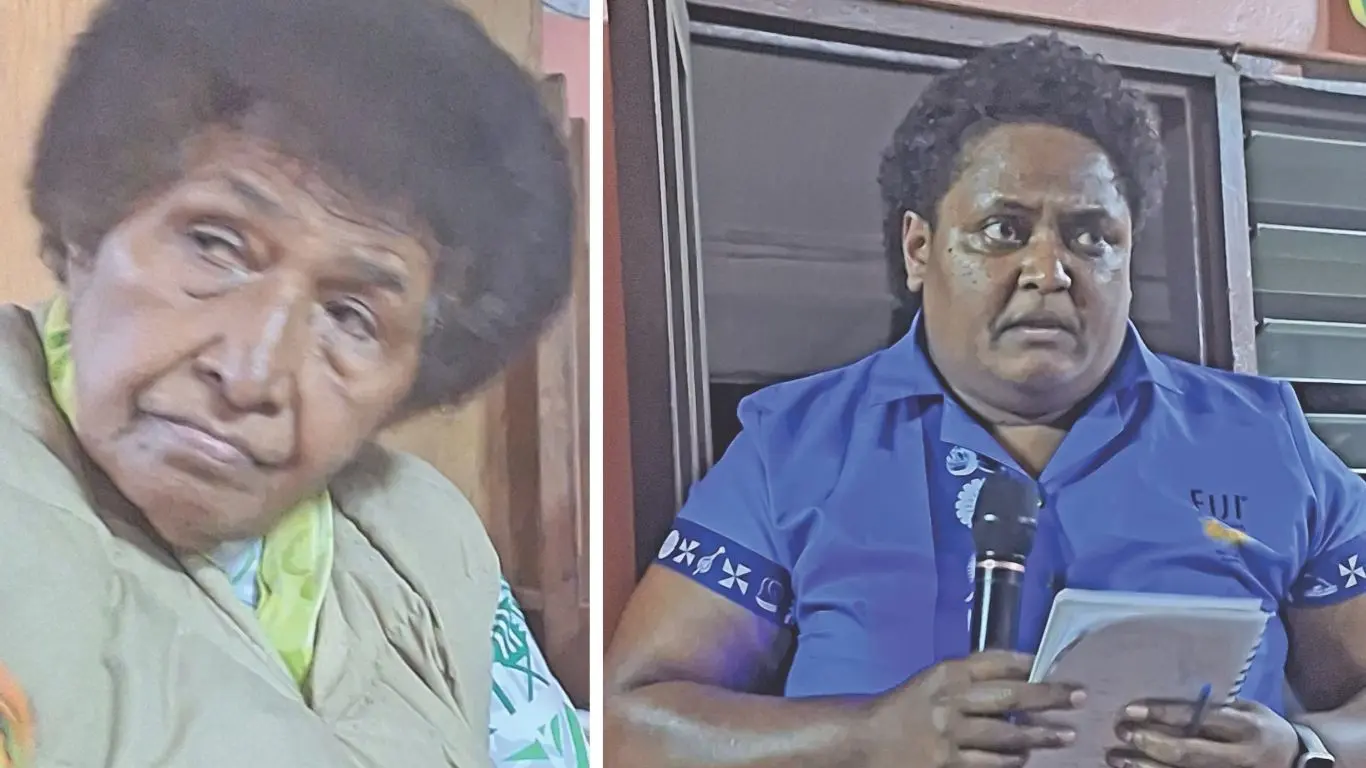
From left: Retired teacher Lanieta Buresia and Fiji Museum manager archaeological services Mereoni Camailakeba.
Photos: Waisea Nasokia
The Fiji Museum will investigate the whereabouts of human remains excavated from the Kulukulu sand dunes decades ago after concerns were raised that they were never returned to their rightful communities.
Fiji Museum manager Archaeological Services Mereoni Camailakeba said the museum would review its records to establish what happened to the remains and provide information to the affected families.
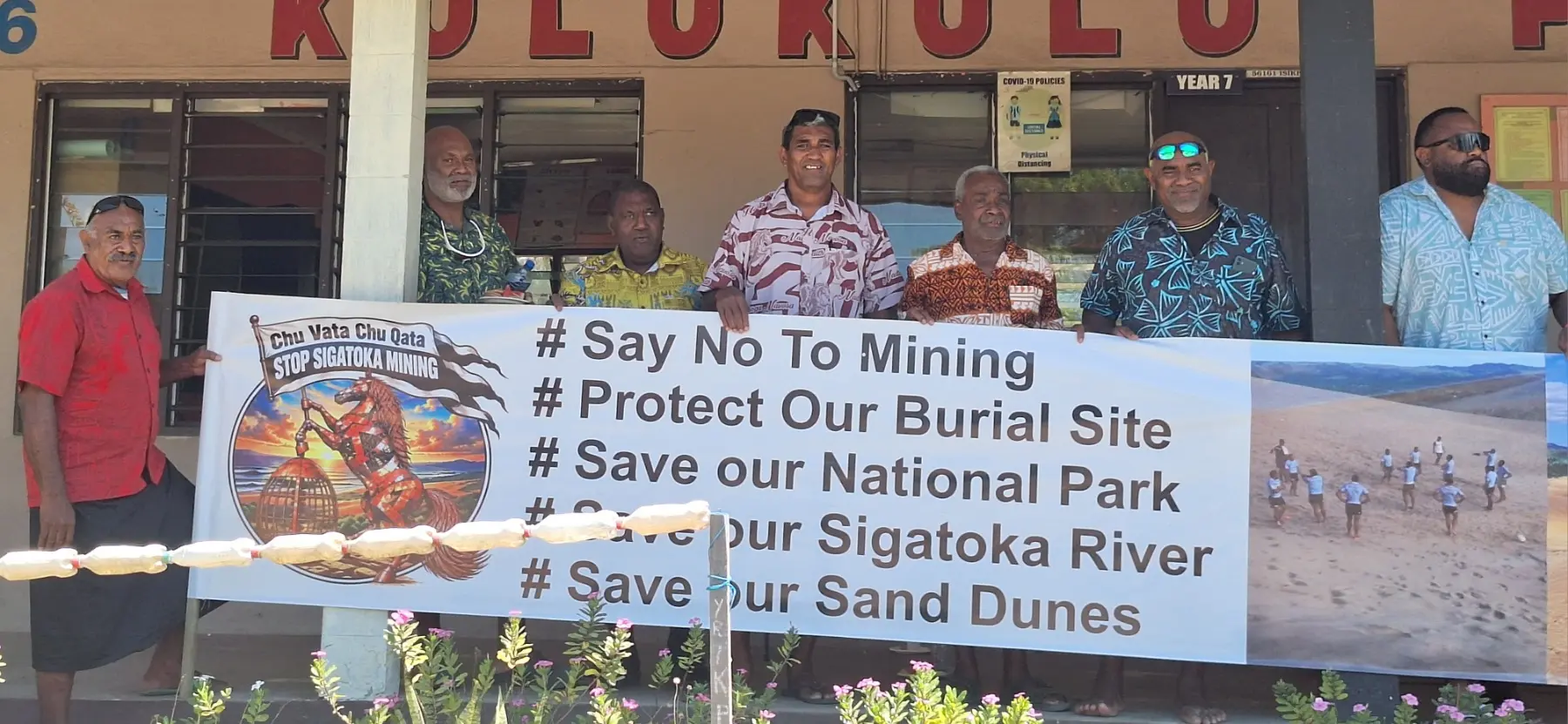
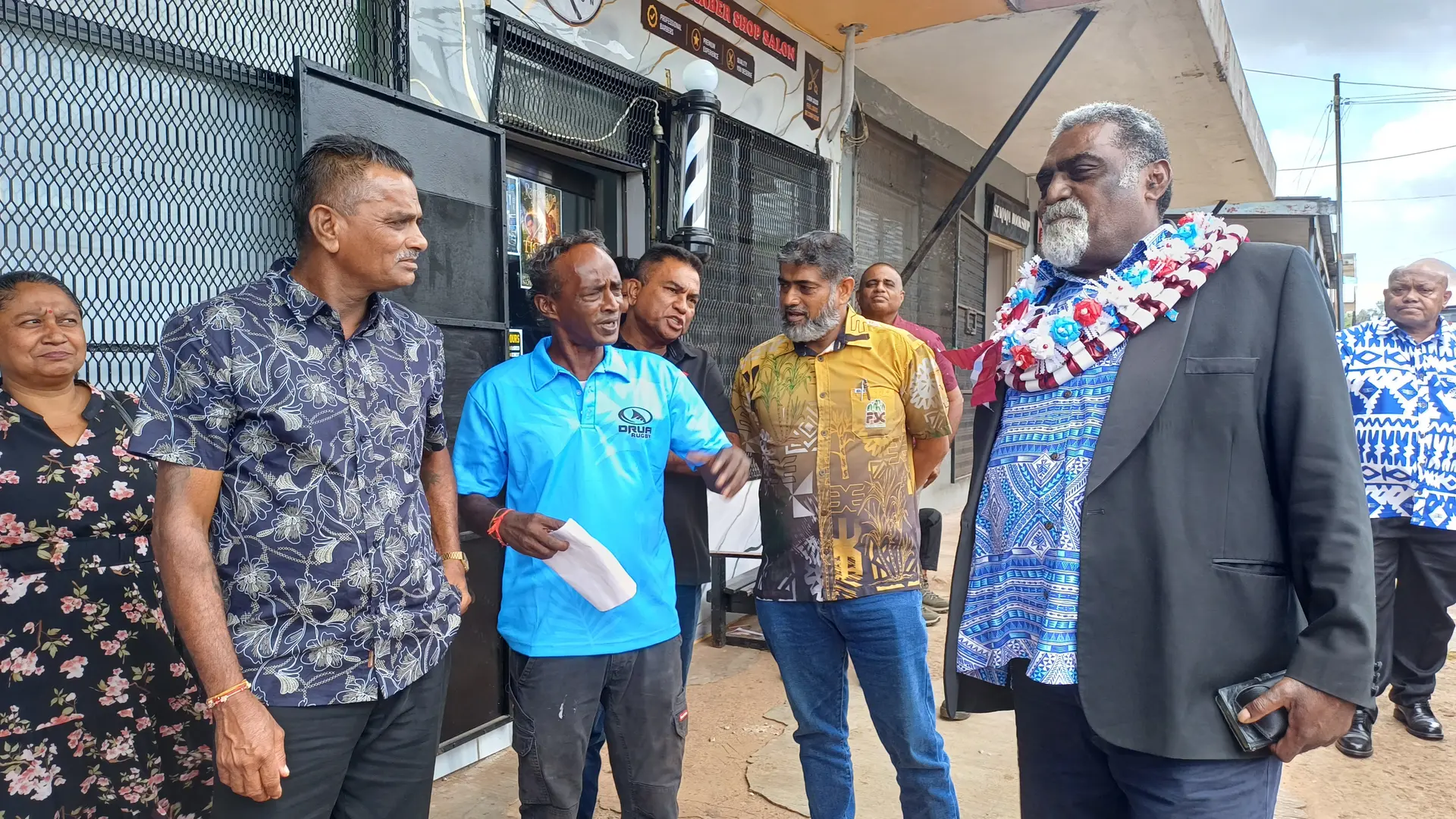
She made the commitment during the proposed Kulukulu Sands Sigatoka Iron Sands Project environmental impact assessment (EIA) review at Kulukulu Public School in Nadroga last Friday.
Related stories
“About the comments that have been made on the return of human remains, that was, I believe, excavated back then and was supposed to be returned,” she said.
“On behalf of the management, some remains were taken, and we apologise for what happened during that time and that the remains have not been returned.
“We will go back and check and bring the information of what happened to them.”
Her response followed concerns raised by retired teacher Lanieta Buresia, who said her family had waited decades for the return of ancestral remains taken by museum officials for research.
Ms Buresia claimed a tsunami in 1848 struck the area, killing relatives who were based at Draiba Village in Navosa.
She said the remains later found in the dunes were believed to be linked to those who died during the disaster.
“The people from the museum told my father they would take the human remains to New Zealand for investigation and study, and then bring them back,” she said.
“Once they took them, my father was waiting for them. He died, and nothing came back.”
Ms Buresia said the failure to return the remains had caused distress for generations of her family.
“We are waiting for human remains from our great-grandfather and grandfather, but nothing has come back,” she said.
Ms Camailakeba said archaeological research conducted between 1944 and the early 2000s had identified more than 125 burials across six phases of Lapita migration.
She said the Nadroga region remained significant because of its archaeological heritage, including traditional pottery-making communities in Nakabuta and Nayawa.
She also identified Koroua Island as an important archaeological area, with three significant sites — Koromakawa, Koronaburua and Vunawi — alongside burial sites.
Ms Camailakeba said the Preservation of Objects of Archaeological and Palaeontological Interest (POAPI) Act provided for the protection of archaeological and palaeontological sites.
“Archaeology doesn’t sit on top of the sand. It’s within the sand,” she said.
She said excavations could uncover pottery fragments, human remains and other evidence of past settlements. The museum also received reports from communities when such discoveries were made, she said.
Ms Buresia alleged that mangroves on Koroua Island had been damaged and dredged material dumped in areas without proper consultation or respect for landowners.
She urged the project developer to ensure genuine landowners were invited to meetings and given the opportunity to express their concerns.
“When you have a meeting, you call any Tom, Dick, and Harry to come. You don’t call the real people that own the land,” she said.
She said landowners wanted their concerns heard and respected before decisions affecting their land and heritage were made.
Feedback: waisean@fijisun.com.fj