Meth Market Big, Continues To Grow
Fiji's methamphetamine market is worth over FJ$200 million and growing, an estimation made by some meth users and peddlers we spoke to.
Sunday 12 May 2024 | 11:25
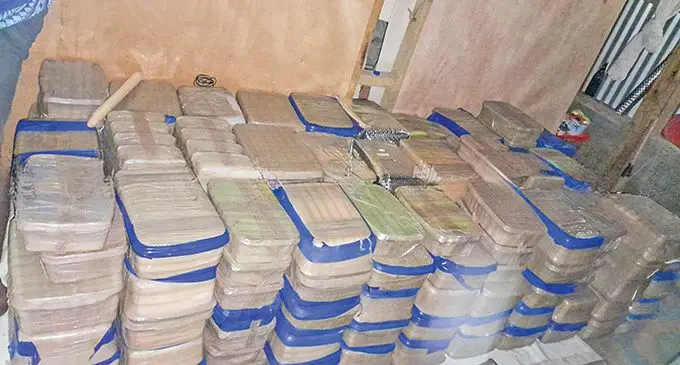
Seized crystal meth that was packed in small clear zip lock bags.
Fiji's methamphetamine market is worth over FJ$200 million and growing, an estimation made by some meth users and peddlers we spoke to.
Government and the Fiji Police Force admit that the country is fighting a losing battle because of the influx of illicit substances that are now also cooked locally.
In January this year, within two weeks, Police seized more than four tonnes of methamphetamine in Nadi - the biggest drug bust recorded in Fiji yet.
Related stories
A polydrug user (takes all types of drugs), who spoke anonymously, said the drugs were transshipments, which was now a domestic problem.
"The irony is once Fiji Police got involved, the mishandling means they have turned this inward and is now a domestic problem," the polydrug user said.
"Missing dope will be drop fed into this market rather than being shipped offshore."
Assistant Commissioner of Police - Internal Affairs and Professional Standards, Sakeo Ganivatu, in a video posted last month on the Methodist Church in Fiji Coronation Comms Facebook page, hinted that there were still a few kilos of methamphetamine circulating in the country targeting young Fijian males and females.
"In January, Police recorded a 94 per cent increase in illicit drugs in the country, and we expect this number to increase in February. In the past, we would record a 1 per cent or 2 per cent increase each month," he said.
"Police are now arresting and charging 15 to 17-year-olds, who are now criminals. Imagine in the next 10 years, the number of young criminals we will have in this country."
The polydrug user agreed that arrests would spike along with incarceration, with many young people ending up in jail because of failed policy.
Police have yet to respond to questions sent to them on Monday.
Since the two drug seizures in January, Police have raided several homes and made arrests following the discovery of crystal-like substances, believed to be methamphetamine and apparatus used for cooking the drugs.
Most of these raids and arrests were made in the Western and Southern divisions.
ACP Raikaci said Police were suspecting a chain of illicit drug dealings in the Western and Southern divisions. He emphasized that Fiji was now a narcotics playground.
SALE OF METH LOCALLY
Meth is circulated like pyramid selling; each layer adds their returns and passes the product onwards (and downwards).
On the streets, crystal meth packed in clear zip lock bags are sold at $50 or $30, and a quarter bag is around $70 to $100. The bags are sold at different prices depending on the pushers and suppliers.
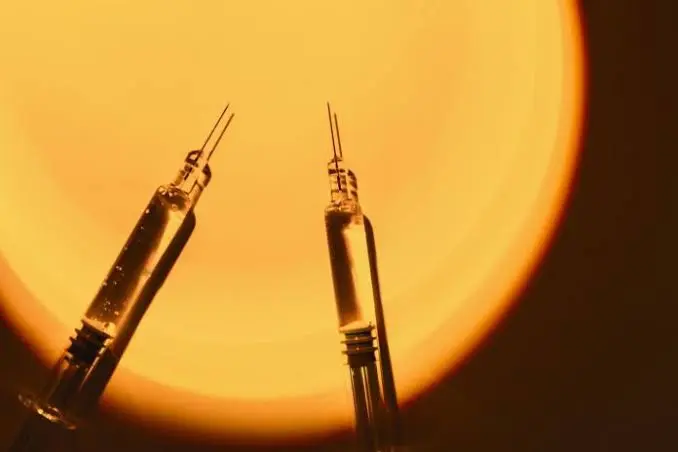
Insulin needles, initially for diabetic patients, are now demanded by young Fijian meth users. For $10, a meth user gets a shot with the euphoric feeling lasting half or a whole day, depending on the quality of the illicit substance.
"It depends on the supplier. Some stuff are A-grade and that is cooked by those who know the right ingredients and the right way," said a heavy meth user, who spoke anonymously.
“Before 2016, only a few took this drug. It was mostly marijuana that were seized by Police.”
The meth user added not all pushers sold the drugs to children, but some did for easy money.
“Some drug peddlers don’t take it; they just sell it to make money.”
The polydrug user said meth was cheaper and more abundant than ever, because they were now produced locally, such as those cooked in New Zealand.
“It’s still very addictive.
“So long as drugs like meth are antisocial, they will remain in the hands of black market and black marketers.
“The distribution is very bottom heavy with most sellers simply doing it to finance their own habits.”.
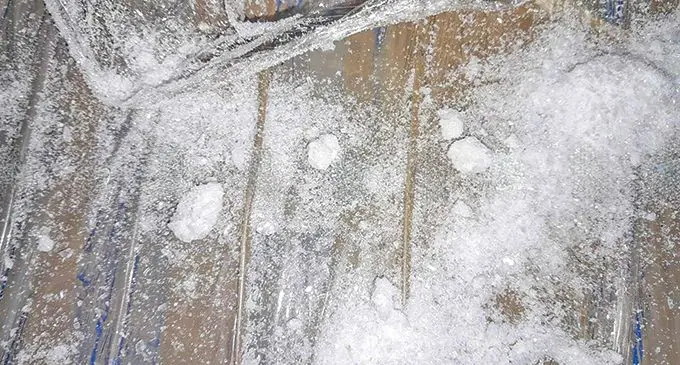
Meth that was packed in containers and seized by Police in Nadi.
ADDICTION AND NEEDLE USE
Another meth addict said many young people preferred to use needles rather than pipe because of the immediate effect it had once needles are injected into the veins.
But the associated social effect of using needles is immense. The meth user, who is closely associated with the health sector, said the increase in Human Immunodeficiency Virus (HIV) was because of the sharing of needles.
“Addicts don’t care whether it’s used needles, they will use it, that is why the sale of needles in pharmacies should not be restricted.”
Children as young as 12 and 13 are taking meth because it’s readily available around Fiji.
This meth user takes the drug to rid the everyday worries, and what started as a stress reliver has turned into constant depression.
“I used to be an alcoholic, and a heavy weed smoker, but by taking crystal meth, I have stopped smoking weed and taking alcohol.
“I take the shot. I guess the good thing is I do not know how to inject the drug into my body, if not my use of the meth would be out of control.”
ACP Ganivatu said young children were now selling drugs and insulin needles on the streets and in schools.
He added a 15-year-old in the Western Division was caught by Police with apparatus used to cook methamphetamine.
In Australia and New Zealand, the Government runs needle exchange programmes.
These programmes allow drug users to bring their used needles and exchange them for new ones.
Certain places in the United States allow for drug users to use drugs under medical supervision, which is done to prevent overdose deaths.
A medical practitioner, who spoke on the condition of anonymity, said the Government had to be proactive about caring for drug abusers.
“They are people too,” the medical practitioner said.
“With Fiji, we run no such programmes nor do we have rehabilitation centers. So drug abusers have no chance of getting off drugs nor do we keep them safe from other diseases.
“With needle, things are a little complicated. Syringes are a medical device. You cannot restrict access to it. It would be like punishing people for the inability of the Government, the police and Customs for not doing its job and preventing drugs from reaching the people.”
OUT OF CONTROL
You need to control your drug intake and not let the drug control you, a meth user said.
The polydrug user said there was a need for rehabilitation facility for drug addicts, and a change in oversight from criminal to medical.
“Increase was always going to happen, there are not enough mechanisms in place to curb usage.
“The strong law approach (traditional law and order) still used by the Police is inadequate and ineffective.
“What is badly needed is awareness, viable alternatives, rehabilitation and some acceptance that addiction (in all forms) is complicated and tough for all stakeholders.”
These meth users are aware that more individuals will have a drug problem, which makes it more compelling for the Government to invest in a rehabilitation approach.
Feedback: ivamere.nataro@fijisun.com.fj