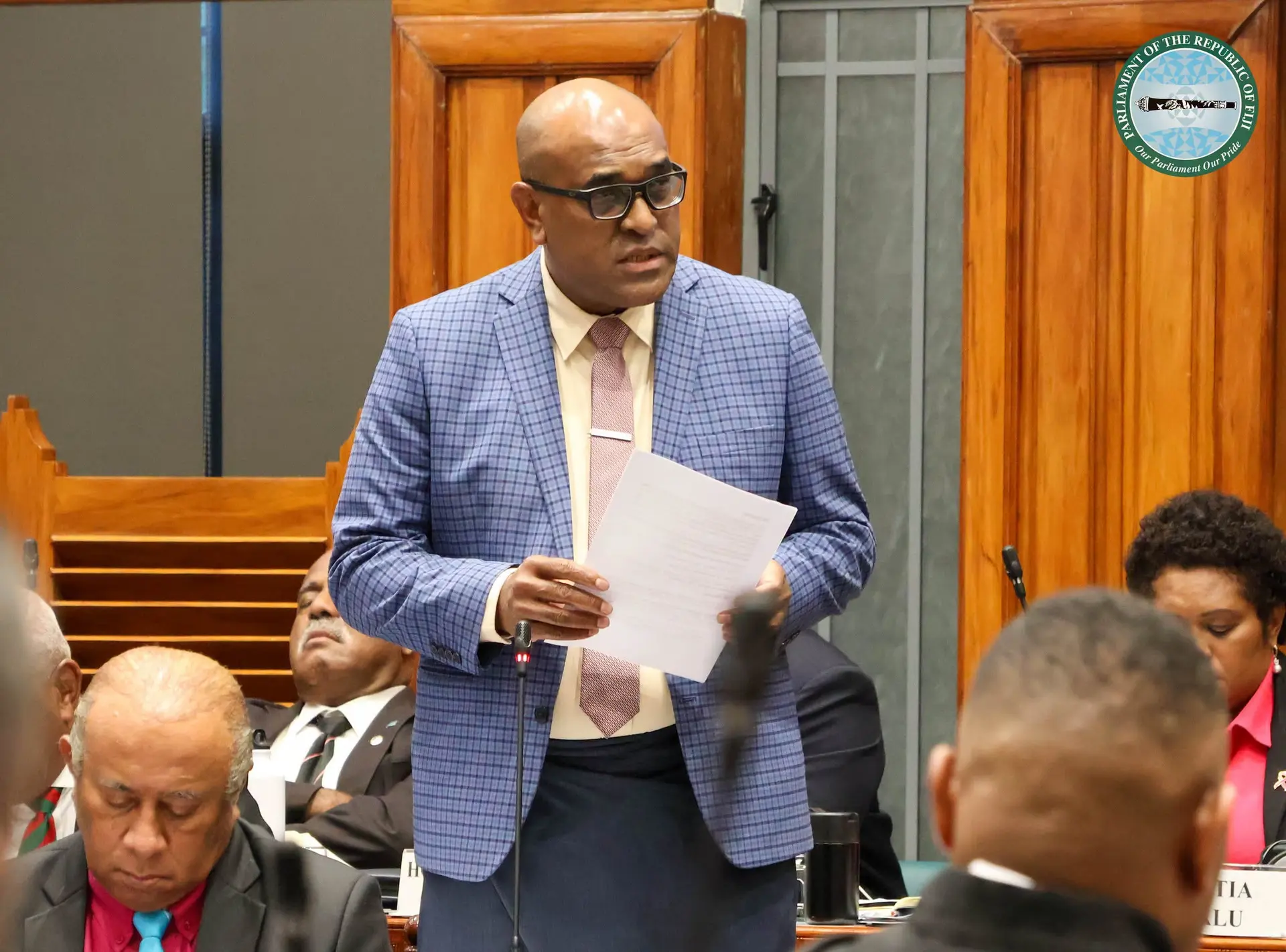
165 children in State care, 41 nearing transition out
The Ministry is exploring boarding school, tertiary study, scholarships and vocational training for children preparing to leave care.
Monday 12 October 2026 | 14:30

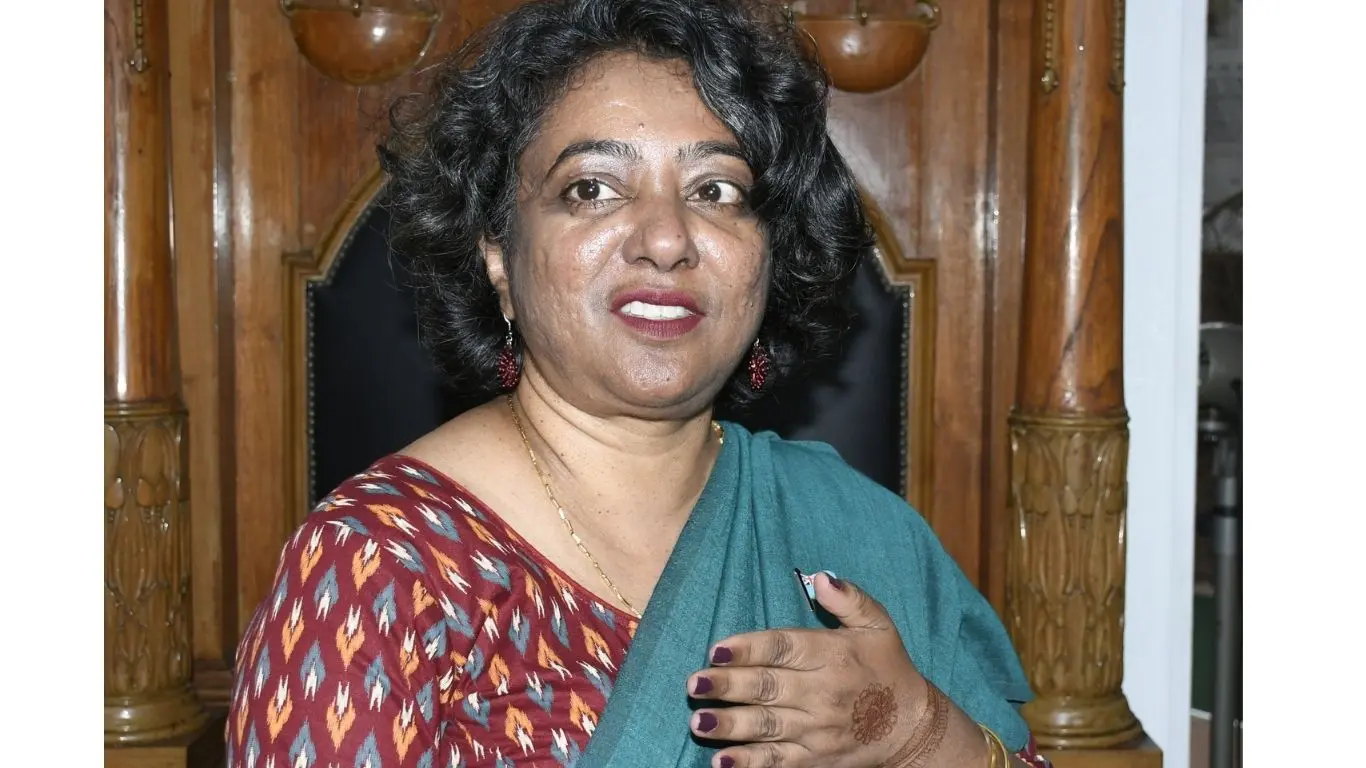
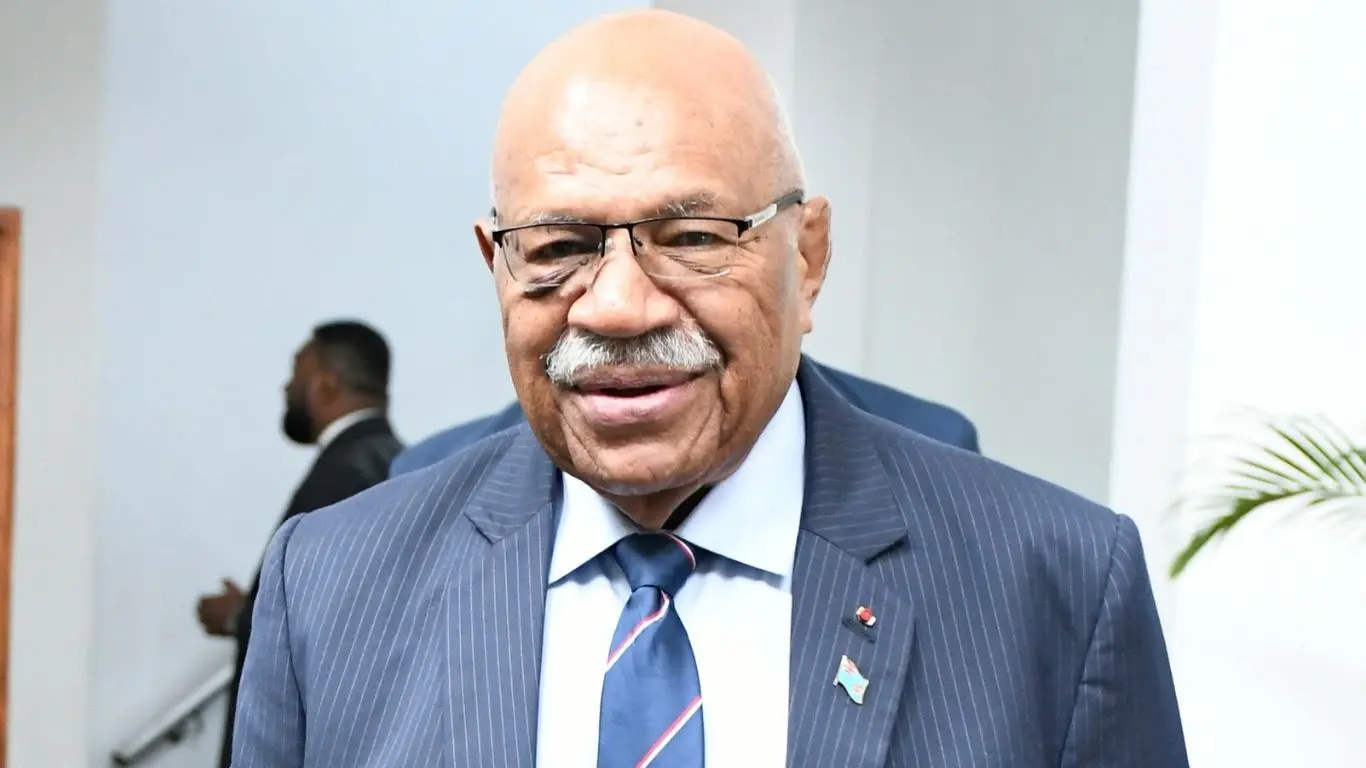
Minister for Women, Children and Social Protection Sashi Kiran outside Parliament on August 17, 2026.
Photo: Ronald Kumar
A total of 165 children are under State care in Fiji, including 41 aged 16 to 18 who will soon leave the system.
This was revealed by Minister for Women, Children and Social Protection Sashi Kiran in response to a question from Assistant Minister in the Office of the Prime Minister Sakiusa Tubuna in Parliament.
As of September 25, 133 children were living in 13 approved residential homes around the country. The remaining 32 were in foster care.
Related stories
Of the 133 children in residential homes, 46 are aged 13 to 15 and 22 are aged 10 to 12. Fourteen are aged six to nine, while 10 are aged zero to five.
Of the 32 children in foster care, 12 are placed with families under medium- to long-term arrangements. The other 20 have been matched with families and are going through the adoption process.
Eight of the 12 foster families receive a monthly allowance from the Ministry. The other four cover the cost of the children’s care themselves.
Ms Kiran said State care was “a last resort” when family and community support could not keep a child safe.
To prepare children for life after care, the Ministry is considering boarding schools and tertiary study at the University of the South Pacific and Fiji National University.
Potential study programmes include Animal Science, Nursing, Education, Humanities and Arts.
The Ministry is also helping eligible children apply for scholarships. Others are being referred to trade training at Polytech, Service Pro, CATD Nadave, Chevalier Training Centre, Montfort Boys Town and Makoi Vocational Training Centre.
For children preparing for independent living, the Ministry works with caregivers to teach them about budgeting, finding accommodation and applying for jobs.
Over the past two years, the Ministry has approved 20 homes for 20 children going through adoption.
“This is a significant and positive outcome for the Ministry,” the response said.
Pilot programmes for children affected by drug and substance use are also being established in the Central and Western divisions.