No decision yet on pornography website blocking
Online Safety Commission says legal authority, implementation costs and the scope of any restrictions remain under review, with questions over whether social media could be affected.
Wednesday 28 October 2026 | 05:00

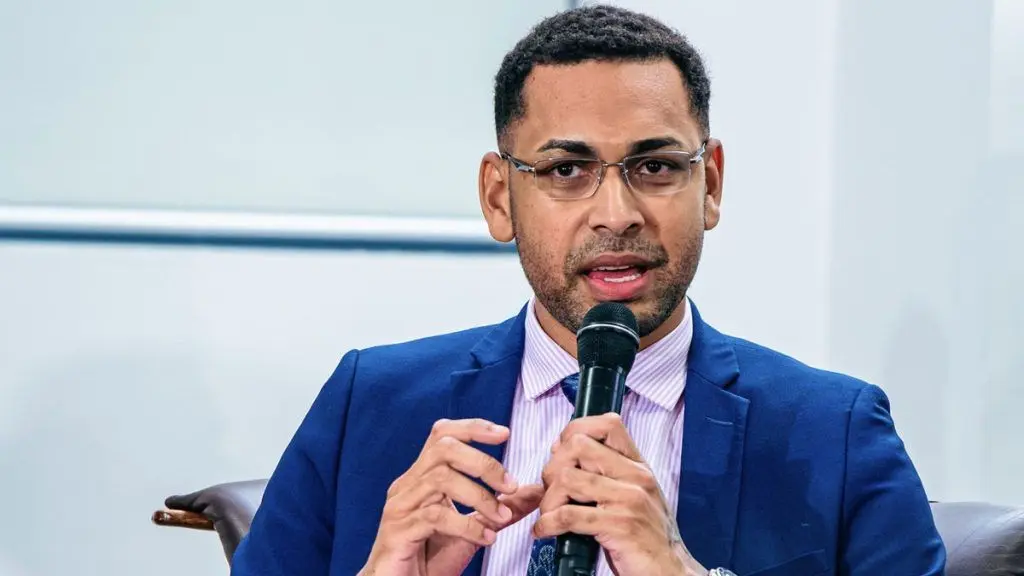
Online Safety Commissioner Filipe Batiwale.
Photo: Fiji Law Reform Commission
The proposed blocking of pornography websites in Fiji remains under discussion, with questions raised about the scope and legality of any restrictions, including whether they would extend to social media.
Online Safety Commission Commissioner Filipe Batiwale said he could not confirm whether a nationwide blocking framework had been approved, as Government agencies continued to consider measures to protect children from online harm.
“The commission has not made a decision to impose a nationwide ban on pornography websites, nor does the Online Safety Act 2018 give us a general power to direct internet service providers to block websites,” he said.
Related stories
Discussions at a national task force meeting in June included possible arrangements involving law enforcement agencies and telecommunications providers to restrict access to websites associated with child sexual abuse material.
However, Mr Batiwale said questions remained about which websites would be restricted, how content would be classified, whether social media platforms would be included and what filtering mechanisms would be used.
He stressed that child sexual abuse material must be distinguished from adult pornography because the legal, technical and policy considerations differed.
Mr Batiwale said the commission received complaints involving online harassment, threats, intimate image abuse and sextortion, but warned against assuming these harms originated from pornography websites.
“Any proposal for nationwide restrictions should therefore be informed by reliable evidence about the particular harms being addressed and whether the proposed measures would effectively reduce those harms,” he said.
He said the legal basis for restrictions, the possible need for additional legislation, implementation costs and safeguards against incorrect website classifications needed to be considered before any scheme could proceed.
“We should not have to choose between protecting children and respecting the law. Effective child protection requires both,” he said.
Mr Batiwale also called for consultation with telecommunications providers, child protection organisations, civil society, legal experts, parents and young people.