500 households face water crisis as catchments run dry
MP Vijay Nath warns emergency water carting is unsustainable as catchments approach critical levels.
Tuesday 17 November 2026 | 14:00

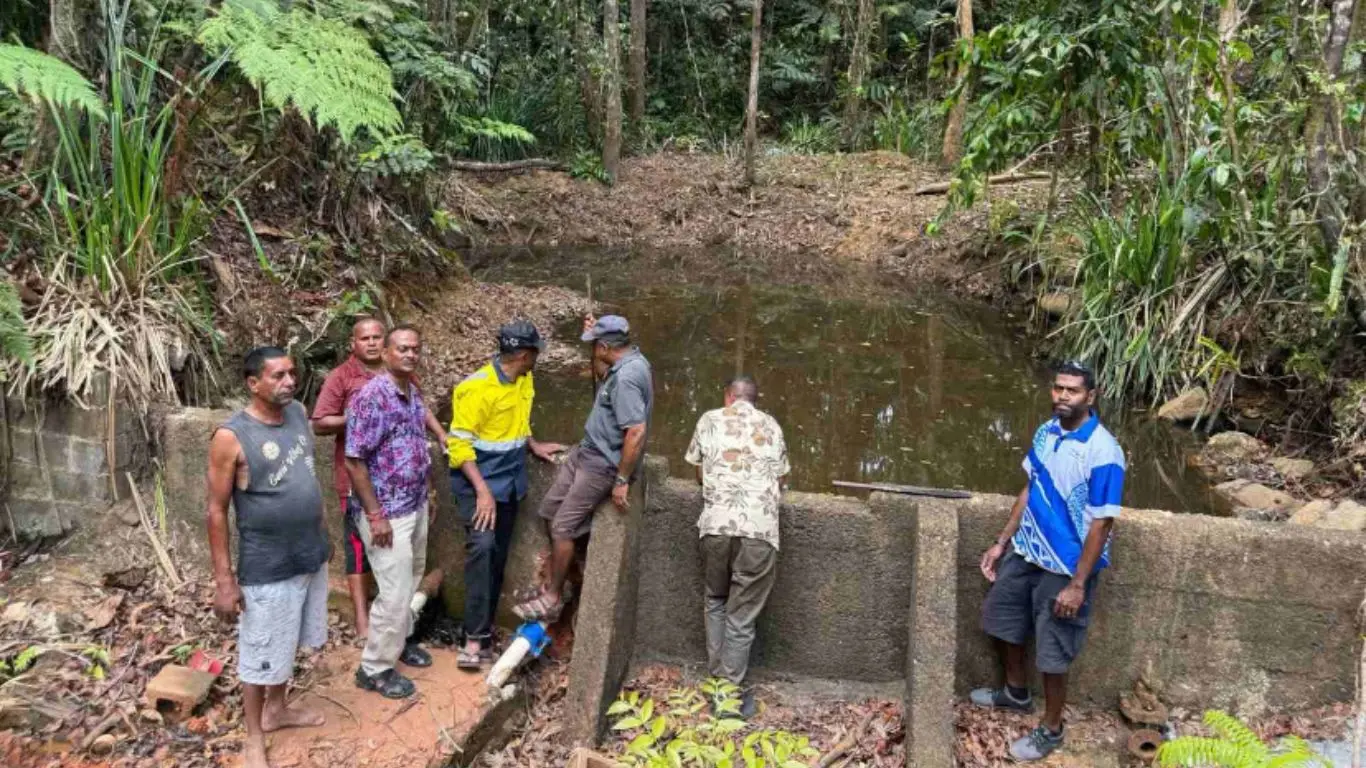
More than 500 households relying on the Wainisasa/Urcalia and Naitasiri water catchments are facing an unreliable water supply as critically low water levels threaten access to clean drinking water.
Member of Parliament Vijay Nath is calling for urgent and sustainable solutions following a visit to the two catchments in the hills of Baulevu in Nausori on Sunday, accompanied by community members and Water Authority of Fiji (WAF) representatives.
Mr Nath said some sections of the catchments had almost completely dried up, leaving families struggling to secure sufficient water for drinking and daily household needs.
Related stories
He described the situation as concerning, stressing that access to clean and reliable drinking water was a basic necessity that every community deserved.
“Access to clean and reliable drinking water is a basic necessity, and our rural communities should not be left struggling to secure this essential service,” Mr Nath said.
He acknowledged WAF chief executive officer for responding promptly to his concerns by deploying officers to assess the situation on Sunday afternoon.
However, Mr Nath warned that emergency water deliveries would provide only temporary relief and were not a sustainable solution to the crisis.
He said transporting between 1,500 and 2,500 litres of water to each family would place a significant recurring financial burden on the Government and WAF.
“Emergency water deliveries cannot be the long-term answer. We need practical and sustainable solutions before these catchments completely dry up,” he said.
Mr Nath said he remained committed to working with WAF, relevant government authorities and community representatives to identify solutions and restore a reliable water supply.
He stressed that urgent action was needed to ensure rural communities had the same access to essential services as their urban counterparts.