67 water trucks deployed, 810,000 litres delivered by sea
Govt is preparing an expanded drought response through April 2027 as thousands depend on emergency water deliveries.
Tuesday 03 November 2026 | 13:00

The Water Authority of Fiji is planning to deploy 43 additional water trucks and expand maritime water deliveries as the Government prepares for a prolonged El Niño drought lasting into 2027.
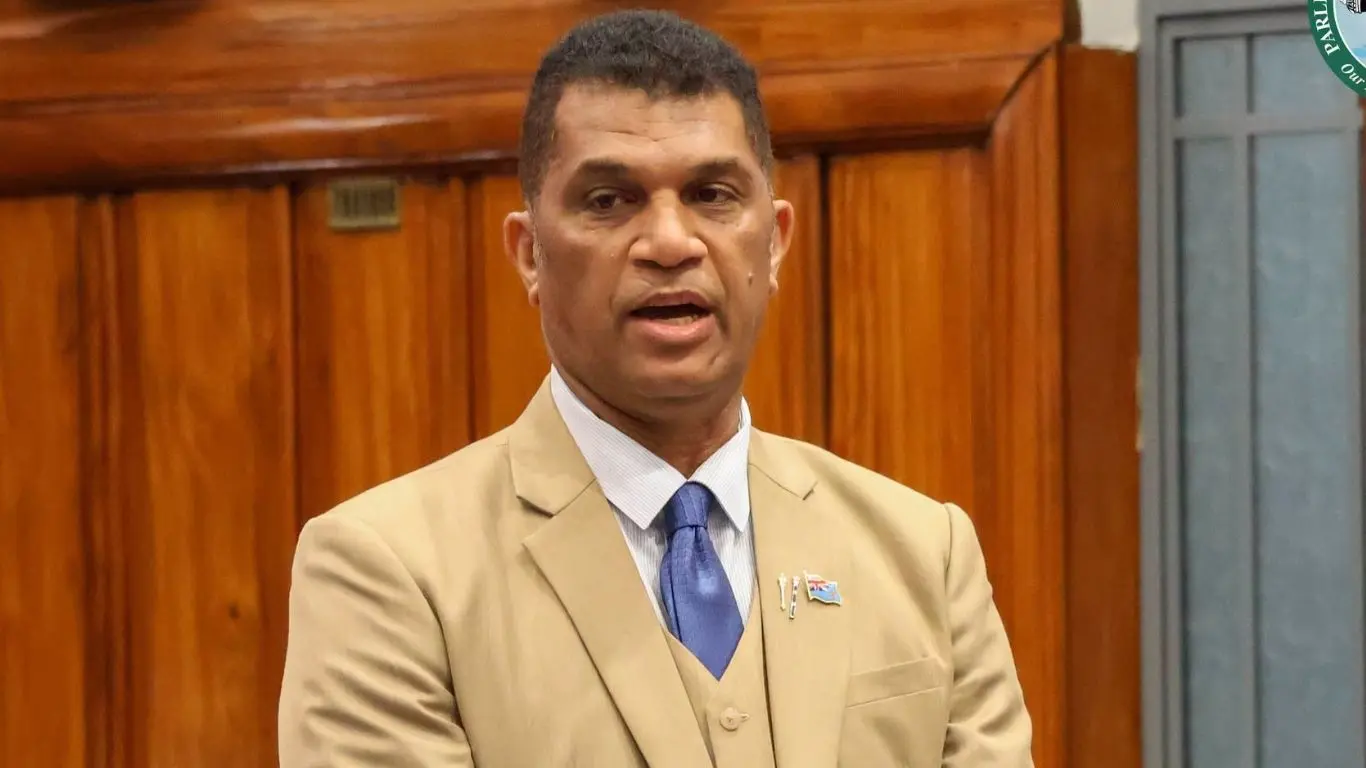
Minister for Public Works, Transport and Meteorological Services Filipe Tuisawau announced the proposed measures in Parliament today as part of a staged special operation designed to maintain water supplies through April next year.
Mr Tuisawau said 67 water trucks were already operating nationally.
Related stories
The plan includes six package treatment plants, four portable units and two reverse osmosis units.
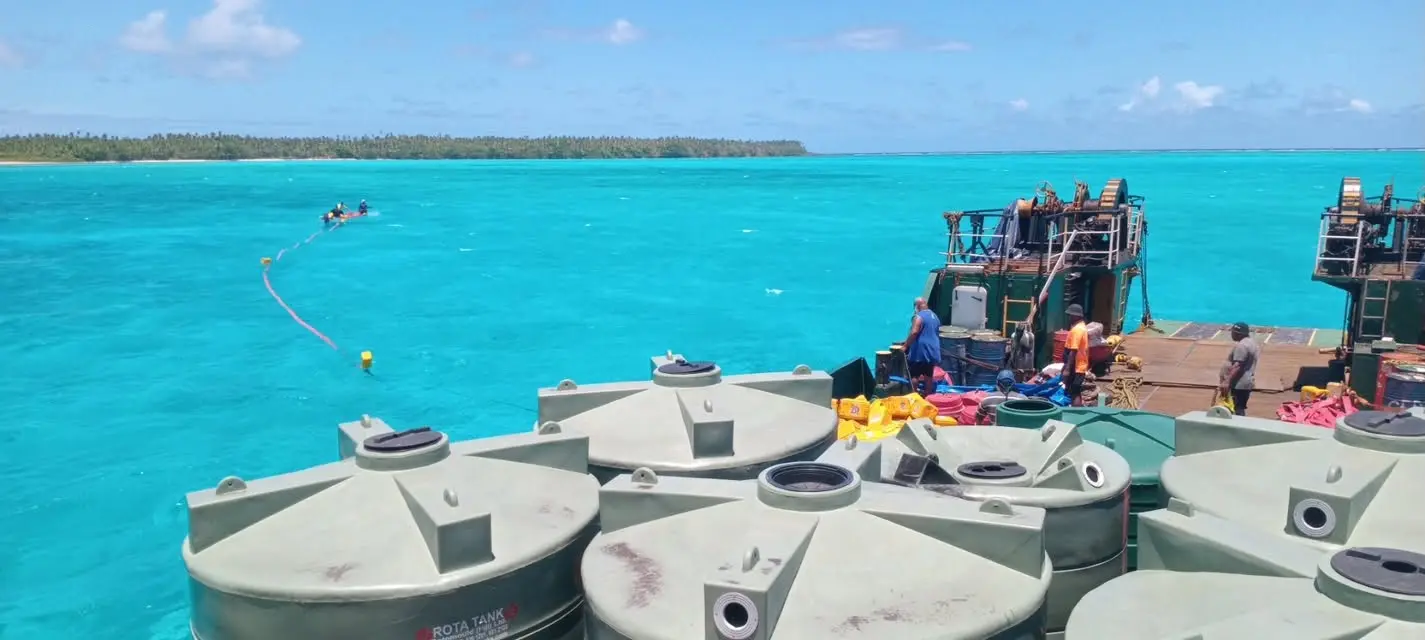
It also provides for a 10-area maritime response involving 10 vessels, with at least 10 supply trips planned for each vessel.
The expanded operation comes as approximately 24,600 people across Fiji are experiencing intermittent water supply or depending on water carting.
More than $255,000 had been committed to water carting for the current week alone, while more than 885,000 litres had been delivered by road since October 30.
"67 water cart trucks are operating nationally. More than FJD 255,000 has been committed for carting in the current week alone, and since 30 October over 885,000 litres of water have been carted by road."
The minister said water trucks were serving communities across the Western, Northern and Central Divisions.
In the West, deliveries were reaching areas in Sigatoka, Nadi, Lautoka, Ba, Tavua and Rakiraki.
In the North, deliveries were being made to communities in Labasa, Seaqaqa, Nabouwalu, Savusavu and Taveuni.
Central Division deliveries included Sakoca, Coloisuva and several communities in Tailevu.
Maritime island response
Maritime communities are also receiving emergency assistance.
Between September 30 and October 30, five trips to the Yasawa Group and Malolo delivered 810,000 litres of water.
The deliveries reached Yasawa-i-rara, Nacula district, Malakati, Navotua, Malolo, Yanuya, Tavua and Mana Island.
A sixth trip, carrying 150,000 litres, was scheduled to operate between October 31 and November 7.
Mr Tuisawau said the team had supplied Bukama after leaving Yaqeta, but three attempts to berth at Teci had been unsuccessful because of unfavourable conditions.
At the time of the latest update, the team was delivering water to Nasomolevu Catholic School.
Separate trips had also been completed to Vatulele and Batiki.
Under the expanded maritime response, each of the 10 vessels would require three technicians working around the clock.
The Water Authority needs 30 technicians for the operation but currently has 17 in its establishment, with the shortfall to be addressed through staff redeployment.
Mr Tuisawau said the Water Authority was already in Phase II of its four-phase drought contingency plan.
Emergency measures include temporary pumps and coffer dams at stressed water intakes, alongside increased water quality monitoring at the Nagado Water Treatment Plant.
He said schools, health facilities and vulnerable residents would remain the first priority for water deliveries.
"Mr. Speaker, Sir, I also ask the people in areas on intermittent supply or carting to bear with us. Our teams are working to reach everyone, and they will always reach our schools, our health facilities and our most vulnerable first."
The minister is also seeking Cabinet support for a national water conservation campaign and restrictions on non-essential water use.
Longer-term measures being explored with development partners include satellite-based water resource surveys, borehole networks, rainwater harvesting infrastructure, water recycling and shipborne mobile desalination plants.
The minister said the Government would continue coordinating the drought response through the National Disaster Risk Management Office and other agencies as water sources came under increasing pressure.