El Niño drought: 19 water sources critical, 24,600 people affected
19 water sources critical, with authorities warning the number could rise sharply by January.
Tuesday 03 November 2026 | 13:00

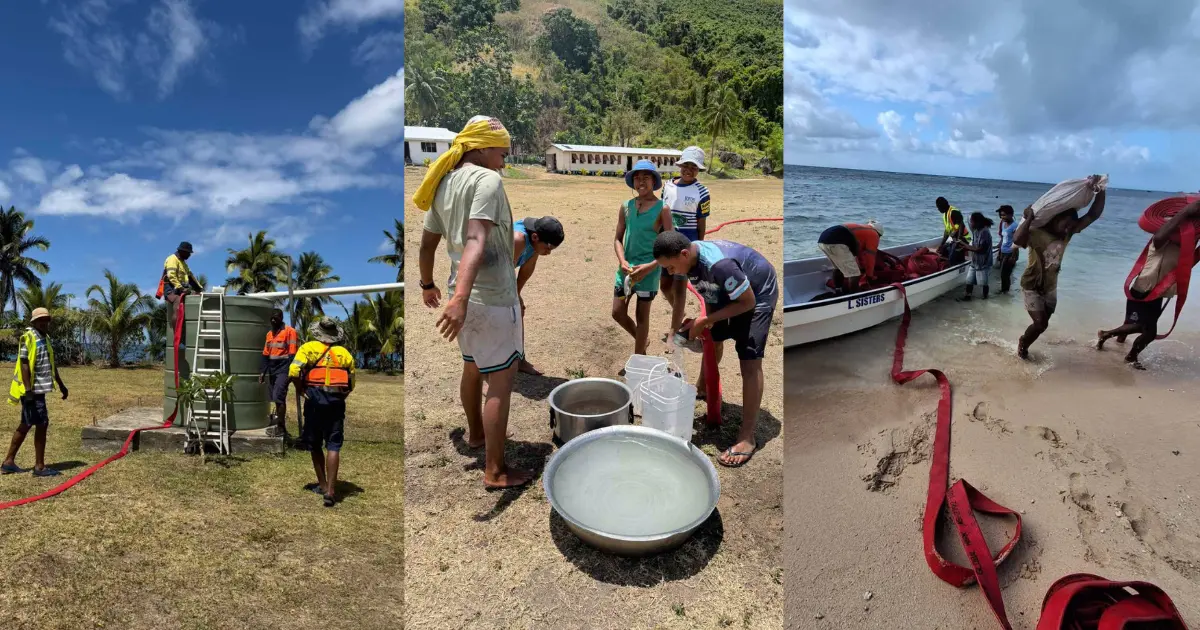
Nineteen water sources are critical and about 24,600 people affected as Government expands emergency water deliveries and prepares for worsening drought conditions.
Photo: WAF/NDMO
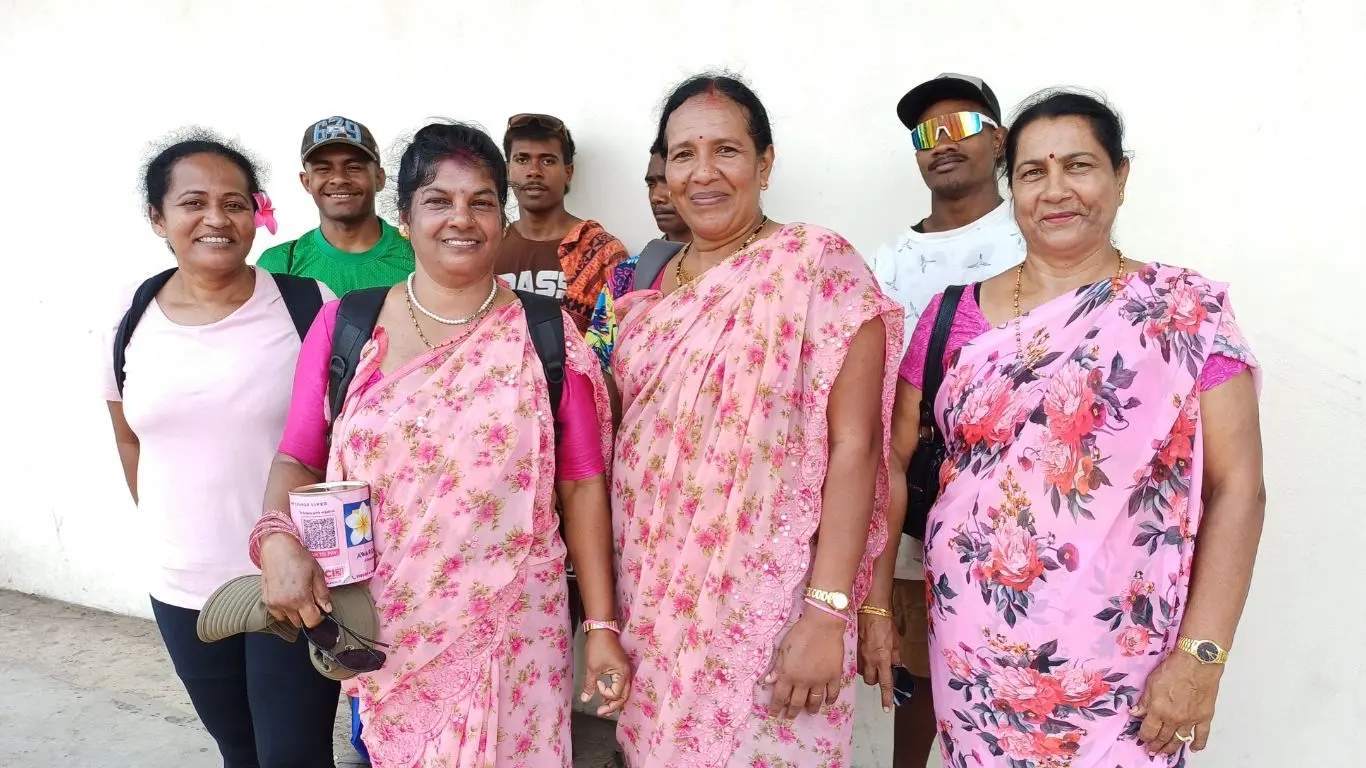
Nearly half of Fiji's monitored public water sources have reached critical levels as the El Niño drought intensifies, leaving about 24,600 people facing intermittent water supply or depending on water deliveries.
The Water Authority of Fiji (WAF) has deployed 67 water trucks nationwide and is preparing to add another 43 as authorities warn that more than 80 per cent of the country's monitored water sources could reach critical levels by January 2027.
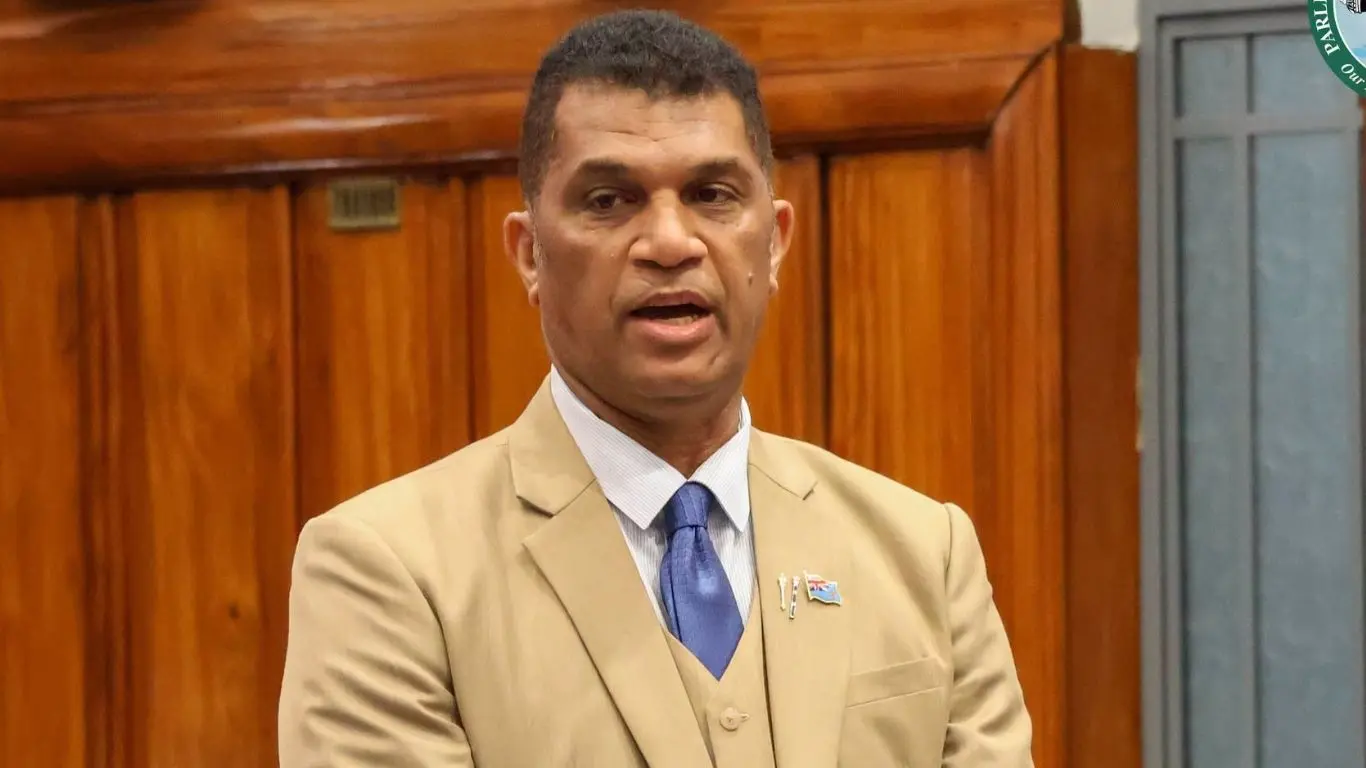
Minister for Public Works, Transport and Meteorological Services Filipe Tuisawau told Parliament today that 19 of WAF's 44 operational water sources were classified as critical as of November 1.
Related stories
Another seven were approaching critical levels, while only 18 remained normal.
The deterioration has been rapid.
On September 15, seven sources were critical. By October 29, that number had risen to 18, before reaching 19 on November 1.
Over the same period, the number of sources classified as normal fell from 31 to 18.
Mr Tuisawau warned that the situation could worsen considerably if dry conditions persisted.
"If dry conditions continue, the share of our 44 sources at Critical will rise from 43 per cent today to 59 per cent in the second half of November, 75 per cent by the end of November, and 82 per cent by January 2027."
Under that projection, only two sources — Matovo in Sigatoka and Natua in Seaqaqa — would remain at normal levels by January.
Emergency response underway
Mr Tuisawau said WAF was now operating under Phase II of its four-phase drought contingency plan.
Sixty-seven water trucks are operating nationwide, with more than $255,000 committed to water carting for the current week alone.
Since October 30, more than 885,000 litres of water have been delivered by road.
Water trucks are serving communities in Sigatoka, Nadi, Lautoka, Ba, Tavua and Rakiraki in the Western Division.
In the Northern Division, deliveries are being made to Labasa, Seaqaqa, Nabouwalu, Savusavu and Taveuni.
Central Division deliveries include Sakoca, Coloisuva and communities in Tailevu.
Schools, health facilities, elderly residents, people with disabilities, women and children are being prioritised ahead of general residential and commercial demand.
Maritime communities are also receiving emergency assistance.
Between September 30 and October 30, five water delivery trips to the Yasawa Group and Malolo transported 810,000 litres of water.
A sixth trip, carrying 150,000 litres, is scheduled between October 31 and November 7.
Separate water deliveries have also been completed to Vatulele and Batiki.
To keep stressed water systems operating, WAF has installed temporary pumps and coffer dams at water intakes.
At the Nagado Water Treatment Plant, additional treatment measures and increased water quality testing have been introduced as falling dam levels raise concerns about algae, iron and manganese.
More trucks and treatment plants planned
Mr Tuisawau said WAF had prepared a staged emergency operation extending to April 2027.
The proposed expansion includes 43 additional water trucks, six package treatment plants, four portable units and two reverse osmosis units.
A maritime response covering 10 areas is also planned, involving 10 vessels and at least 10 water supply trips per vessel.
Each vessel would require three technicians working around the clock.
The operation requires 30 technicians, but WAF currently has 17 in its establishment, with the shortage to be addressed through staff redeployment.
Mr Tuisawau is also seeking Cabinet support for a national water conservation and public awareness campaign, along with restrictions on non-essential water use.
Longer-term measures being explored with development partners include satellite-based water resource surveys, borehole networks, rainwater harvesting infrastructure, water recycling and shipborne mobile desalination plants.