Can the new Kava Bill stop thieves? Farmers want answers
Farmers tell a parliamentary committee that years of hard work are being lost to theft, as the proposed Yaqona (Kava) Bill 2026 comes under discussion.
Sunday 18 October 2026 | 15:00


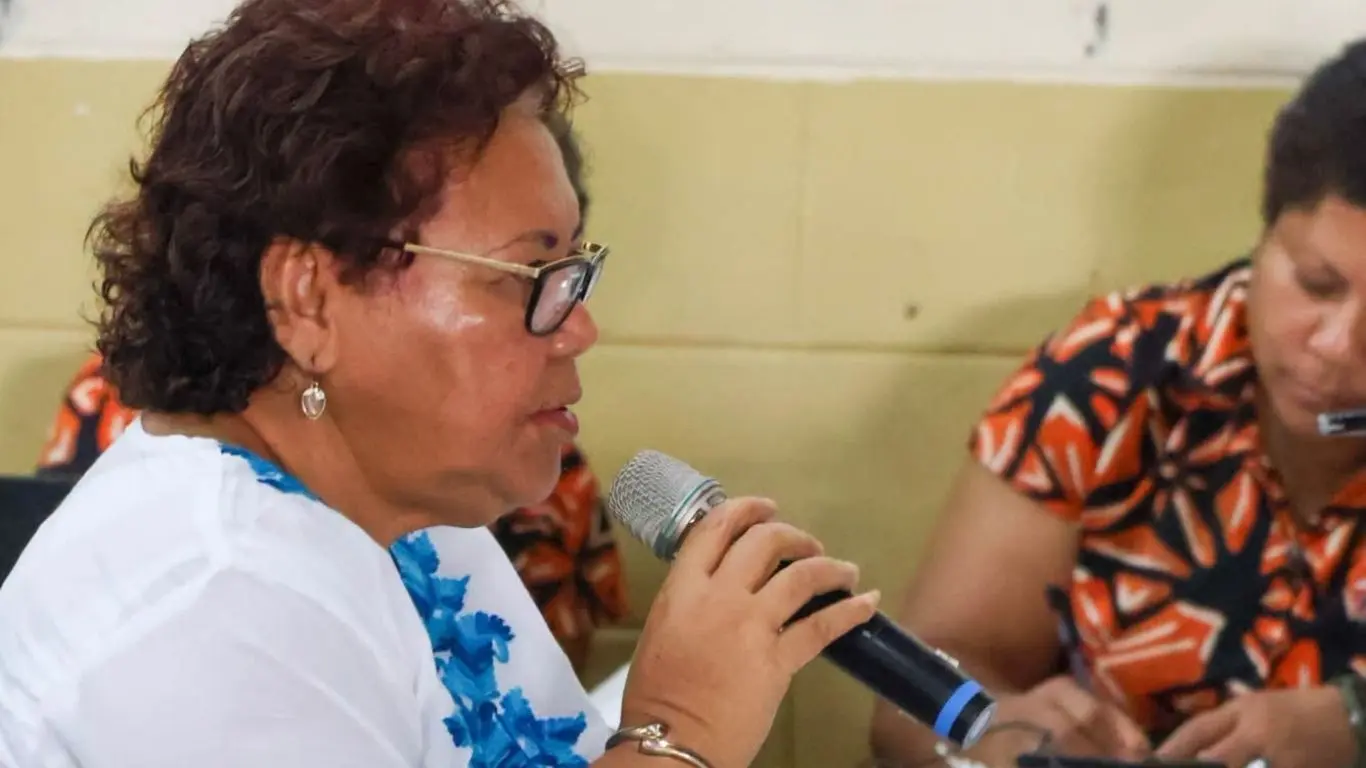
Kava farmers gathered during a public consultation in Taveuni on October 15, 2026.
Photo: Parliament Fiji
Increasing kava theft continues to concern people on Taveuni Island, with farmers telling a parliamentary committee that their crops have been stolen without those responsible being brought to justice.
Standing Committee on Justice, Law and Human Rights chairperson Ratu Rakuita Vakalalabure received the concerns while concluding two public consultations on the Yaqona (Kava) Bill 2026 on the island last week.
Vuna district representative Laisiasa Tuimouta said farms had been targeted by thieves for years, with no arrests or consequences for those responsible.
Related stories
He asked how the proposed Bill would protect farmers from theft.
“Farmers work hard for many years and to have their crops stolen by thieves after three or four years is just not fair,” Mr Tuimouta said.
“We know the Police have done their job when we report to them, but no one is taken to task.”
Another yaqona farmer Bernadette Tikotikoca said she had also been a victim of theft.
“Yaqona farming is the only source of income, and it’s not easy working on the farm and then knowing some thieves have stolen the fruit of our hard work,” Ms Tikotikoca said.
“It’s really heartbreaking and painful.”
Villagers suggested banning the sale of green kava to help protect their farms.
However, Taveuni kava exporter Krishna Reddy said green kava was sold in local and international markets for pharmaceutical purposes.
In response, Mr Vakalalabure said registering farmers would help authorities trace kava sales through individual registration numbers.
“So, if you sell your kava and the authority wants to know which farmer or farmers sold to an exporter, they will check the registration number and identify the farmer, exporter and importer,” Mr Vakalalabure said.
He said enforcement officers could use the registration system to trace sales after a theft was reported and identify farmers who had sold kava to exporters or local markets during the relevant period.
He added that registering kava businesses would help protect farmers and communities while supporting quality and safety.
Meanwhile, Tutu Rural Training Centre principal director Father Petero Matairatu urged the committee to make the Bill inclusive.
He called for young people and women to be included in the proposed Fiji Yaqona Council and Kava Working Group.
“Youths are our leaders of today, they are the now, not tomorrow,” Mr Matairatu said.