Children with disabilities deserve action, not sympathy, says PS
New rights study to guide national policies and child protection initiatives.
Friday 31 July 2026 | 11:30
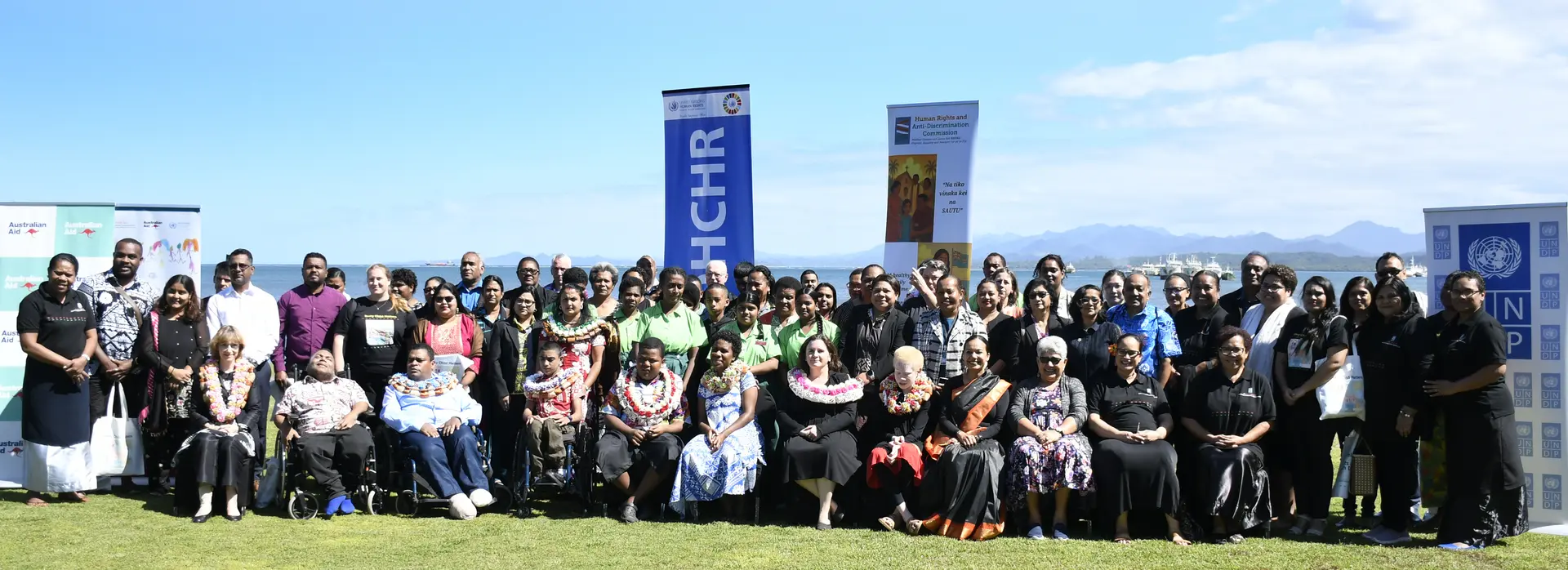
Participants during the report launch of baseline study on the rights of children with disabilities in Fiji on July 30, 2026.
Photo: Ronald Kumar
Children with disabilities deserve equal opportunities, stronger protection and meaningful action rather than sympathy, permanent secretary for Women, Children and Social Protection Selina Kuruleca said yesterday.
Speaking at the launch of the Fiji Human Rights and Anti-Discrimination Commission's first Baseline Study on the Rights of Children with Disabilities in Fiji, Ms Kuruleca said the report gave a voice to children with disabilities and their families.
She said the study would guide evidence-based policies, including the National Action Plan to End Violence Against Children, to ensure children with disabilities are fully considered in national planning.
Related stories
"The true measure of any nation is not found in the strength of its economy or in the size of its infrastructure, but in how well it protects its most vulnerable," Ms Kuruleca said.
She said many of the challenges faced by children with disabilities were created by society through inaccessible schools, inadequate transport, limited healthcare services, stigma and discrimination rather than by disability itself.
Ms Kuruleca said the establishment of the Department of Children as a stand-alone department during the 2024-2025 financial year reflected the Government's recognition that child protection required dedicated leadership and specialised expertise.
Meanwhile, Fiji Human Rights and Anti-Discrimination Commission Commissioner Veena Singh said the report marked a significant milestone in Fiji's human rights journey and represented years of advocacy by child rights organisations, disability rights organisations and former commissioners.
She said many children experienced multiple forms of discrimination based on gender, the nature of their disability, family income, ethnicity and where they lived.
Ms Singh said the report contained 24 recommendations covering governance, education, health, social protection and justice, providing a roadmap for action and accountability.