From grassroots to World Cup: Bulikula's historic journey
Today, they face France in their final pool match, with victory securing another historic achievement — a place in the World Cup semi-finals.
Saturday 31 October 2026 | 09:00
Updated 31 October 2026 | 10:01 FJT

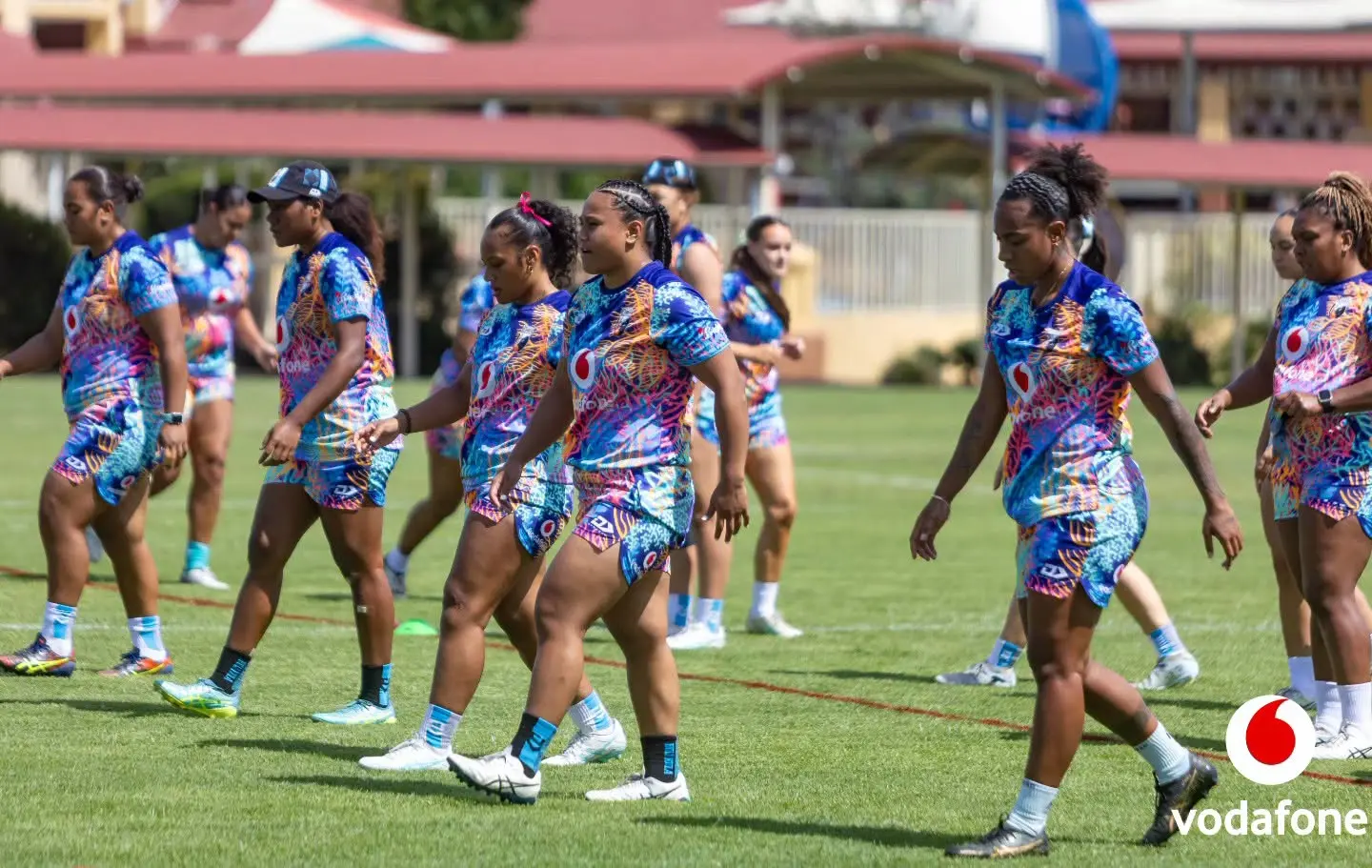
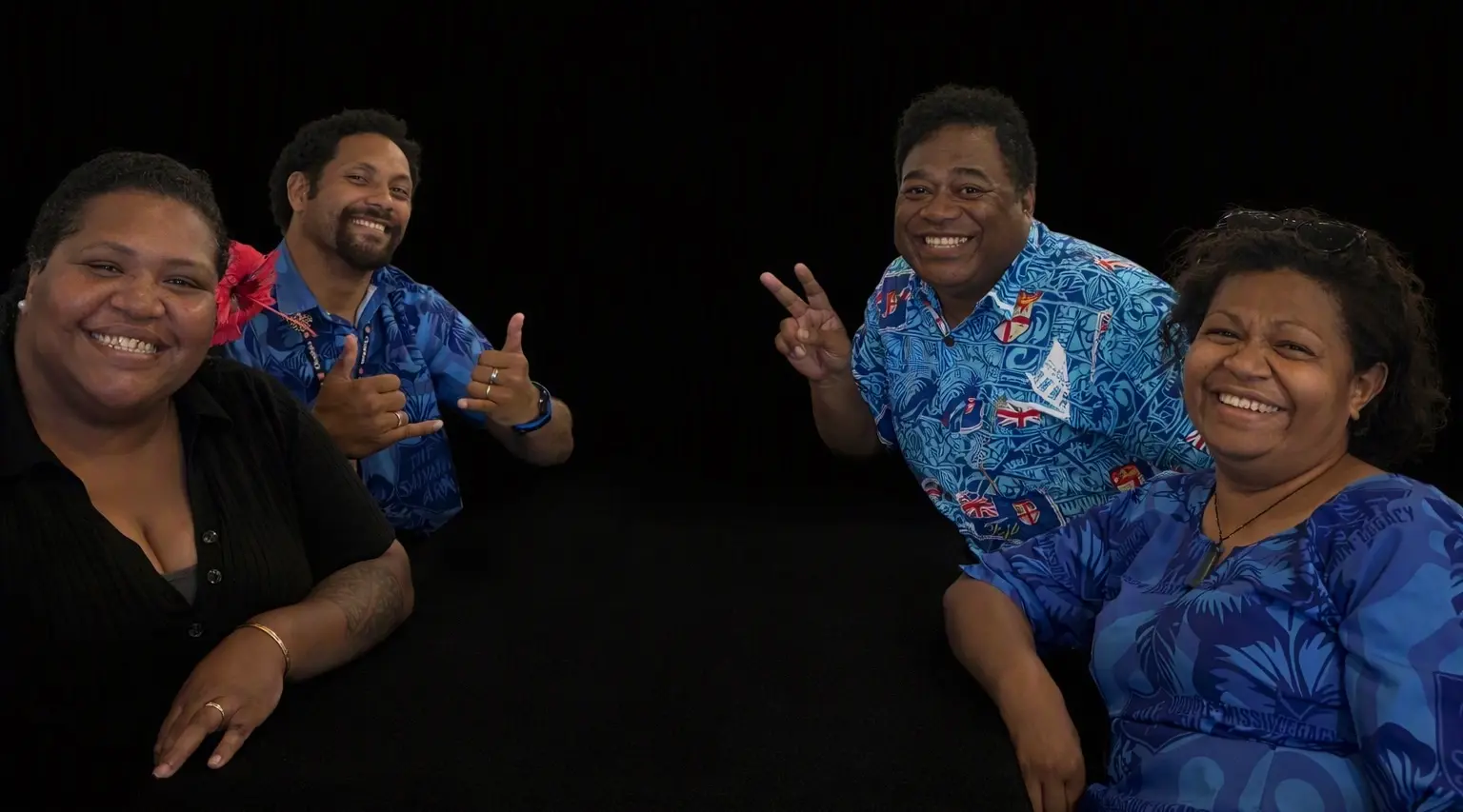
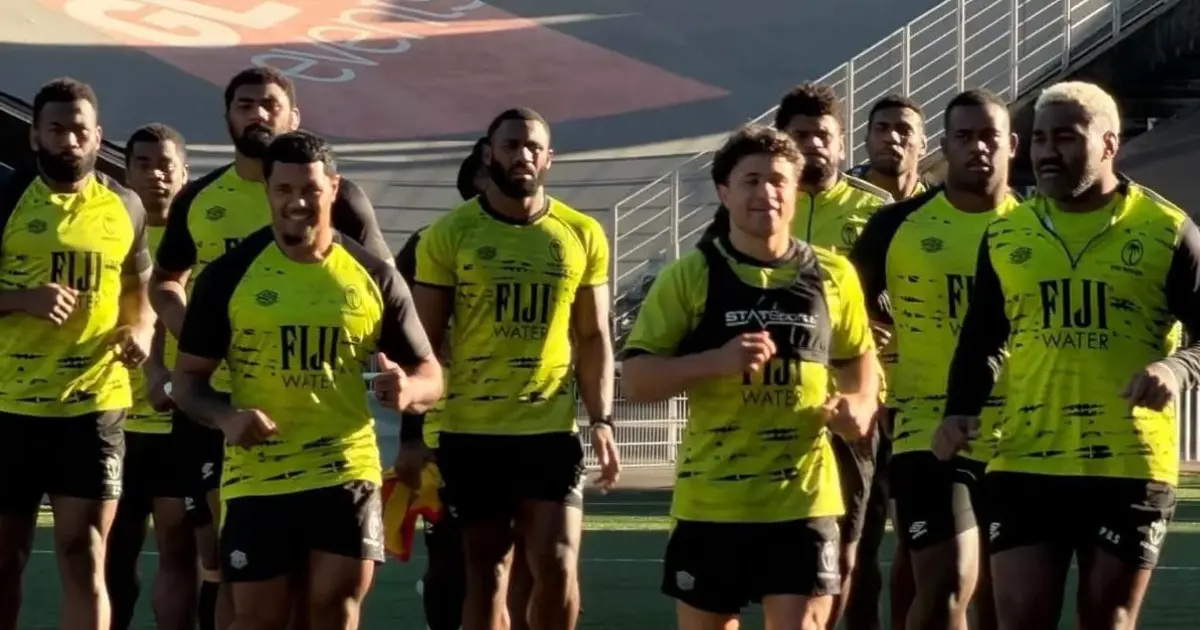
Vodafone sponsored Fiji Bulikula players during their Captain’s run in Gold Coast, Australia, on October 30, 2026.
Photo: Vodafone Fiji
Pathway programmes in Fiji have helped transform the national women’s rugby league team, and the Fiji Bulikula are now on the verge of making history.
Making their Women’s Rugby League World Cup debut, the Bulikula are just one win away from reaching their first World Cup semi-final.
After pushing three-time World Cup champions New Zealand to the limit before losing 18-12, the Bulikula bounced back last Saturday to thrash the Papua New Guinea Orchids 40-4 in Port Moresby.
Today, they face France in their final pool match, with victory securing another historic achievement — a place in the World Cup semi-finals.
It has been a long journey for the side, which had hoped to compete in the 2021 tournament but missed out after the Rugby League International Federation announced that Brazil and France would participate instead.
According to the Canberra Times, Fiji had another opportunity to secure a World Cup berth in 2024, but Samoa scored two tries in the final 15 minutes of their Pacific Championship clash to end the Bulikula’s hopes.
However, the team was given one final opportunity to qualify through an intercontinental competition in Canada, which they won.
Despite missing out on the 2021 tournament, grassroots rugby league programmes in Fiji continued to grow.
Those efforts have paid off, with several members of the current World Cup squad having progressed through the local development system.
Bulikula fullback Cassie Staples said the inclusion of locally developed players, including her Cronulla teammates Leilani Ahsam and Nani Vakacavu, had helped the team establish itself in international women’s rugby league.
“I met Nani back in 2024 ... I met Leilani last year at our World Cup qualifier over in Canada, and both were incredible finds and obviously have a lot to give to the game of rugby league,” Staples told the Canberra Times.
“They’re quite talented, and that’s the benefit and the upside of exposing NRLW coaches to programs and Pacific nations. It’s really important to have access to resources, programs and all that type of stuff to grow the game back home.”
Cronulla’s NRLW coach Tony Herman, who is also Fiji’s assistant coach, said former Bulikula coach Joe Dakuitoga had played an important role in developing the programme.
“Dakuitoga works really hard in that space, getting rugby league into schools, getting them to travel to play,” Herman told AAP.
“A lot of the girls get picked up in the mountains ... and then the competitions that they have over there now for women’s rugby league. To build the programs and pathways back in Fiji and give those girls something to aspire to ... is awesome.”
Former Fiji Bati teammate and understudy Jone Wesele took over from Dakuitoga after his contract expired.
Grassroots rugby league in Fiji is expected to grow further, with the Australian Government committing AU$250 million (FJ$394 million) to develop the sport in Tonga, Samoa, Fiji and Papua New Guinea.
The funding is part of a broader AU$600 million (FJ$945 million) investment package to establish the PNG Chiefs.