Every rape victim in Fiji High Court was a child in 2025: Report
Child sexual abuse cases far outnumber those involving women, new figures show
Friday 04 September 2026 | 09:00
Updated 04 September 2026 | 10:53 FJT

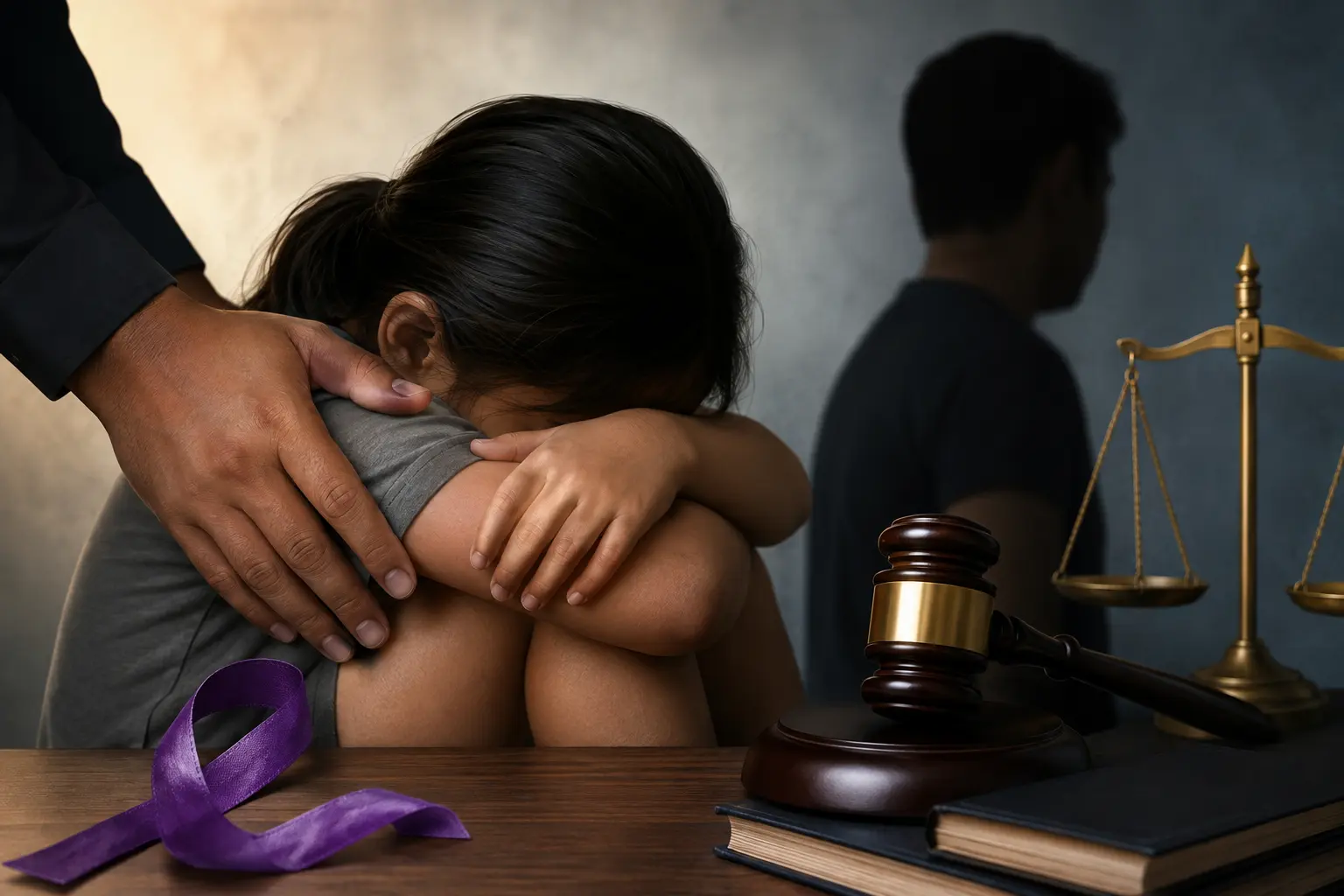
100% of rape victims recorded in Fiji’s High Court in 2025 were children.
Photo: AI Generated
Every rape victim recorded in Fiji’s High Court in 2025 was a child, according to figures released by Minister for Women, Children and Social Protection Sashi Kiran.
The figure rose from 93 per cent in 2024 to 100 per cent last year, putting the spotlight on Fiji’s child sexual abuse crisis.
Ms Kiran revealed the figures at a gender-based violence symposium in Suva yesterday.
Related stories
Between 2020 and 2025, 4793 sexual abuse cases were reported against children, compared with 2153 involving women.
Girls aged 13 to 17 face the highest statistical risk of sexual offences.
Ms Kiran said much of the violence occurred inside homes, where children should be safest.
She warned that many cases never reach authorities because victims keep the abuse to themselves or try to resolve it within their communities.
Member of the Great Council of Chiefs Ro Naulu Mataitini said the vanua was being repeatedly left out of discussions on addressing gender-based violence.
“The vanua is never invited to these kinds of dialogues, yet we are expected to deal with the consequences,” he said.
He said greater involvement of the vanua was needed to address the continuing problem.
Office of the Director of Public Prosecutions senior prosecutor Shaheen Bibi said another major concern was violence that went unreported.
She said prosecutors needed information about a perpetrator’s history of violence to properly assess the risk to victims.
Past abuse may not appear in official records when victims are too afraid to report it.
“We need to know the exact information when this gender-based violence is being committed,” Ms Bibi said.
Church must act
Uniting World Pacific Office Regional Coordinator Reverend Dr Cliff Bird said churches also had a responsibility to confront attitudes and power structures within homes that could contribute to violence.
He said Pacific families needed to rethink how boys and girls were raised and how power was shared within households.
Traditional views that men should be the unquestioned head of the family could create an imbalance of power when that authority was abused, he said.
Rev Dr Bird said fathers and men should take a stronger role in parenting and teach boys respect, responsibility and dignity.
He said churches needed to go beyond preaching against violence and help families build healthy relationships.