Farmers urged to prepare for prolonged dry season
Mr Tunabuna said Fiji’s abundance of rivers and streams should not create a false sense of security.
Sunday 27 September 2026 | 07:30

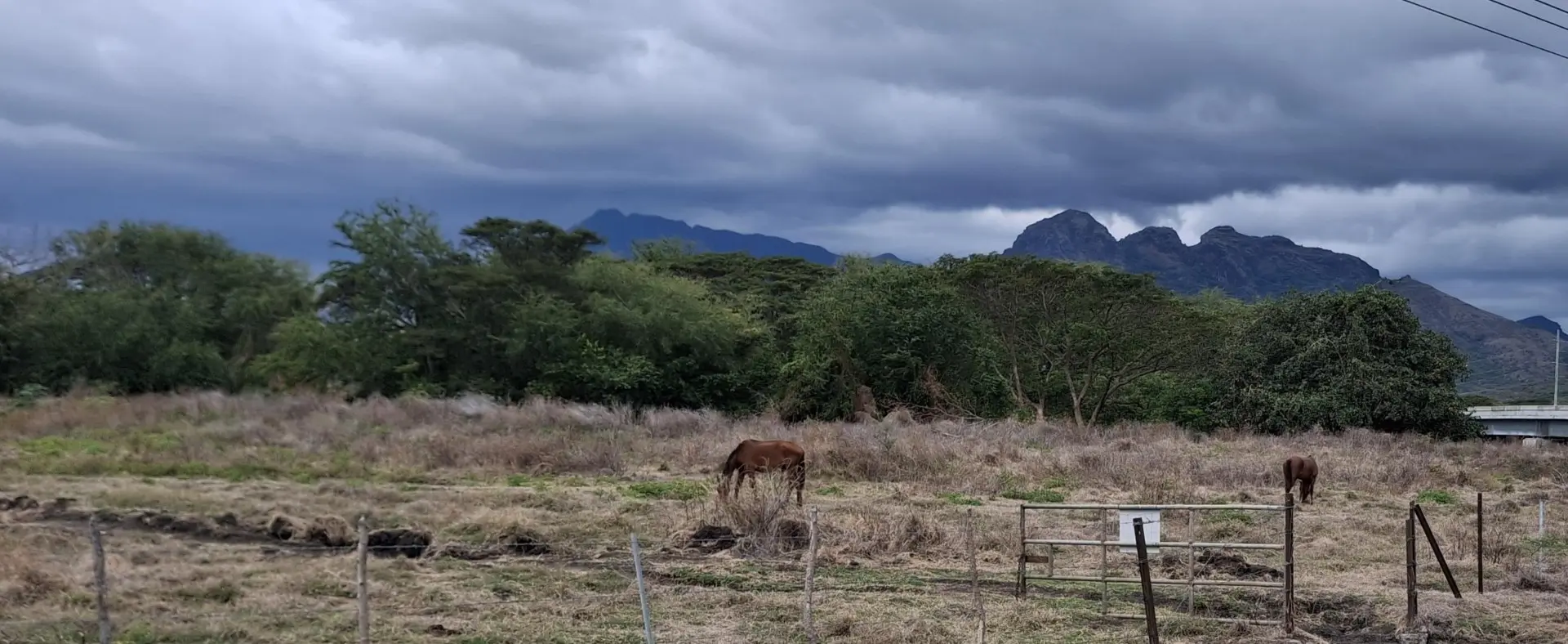
Livestock farmers have also been urged to make early management decisions to protect the long-term viability of their herds.
Farmers are being urged to store water, manage livestock and consider early harvesting as prolonged dry conditions threaten water supplies and agricultural production.
Minister for Agriculture, Waterways and Sugar Industry Tomasi Tunabuna warned that the ongoing Super El Niño event could significantly affect water availability, livestock, pasture and crops, with dry conditions expected to continue into next year.
Mr Tunabuna said Fiji’s abundance of rivers and streams should not create a false sense of security, noting that the country had experienced severe droughts in the past despite its relatively plentiful water resources.
Related stories
Store water now
Mr Tunabuna urged farmers and members of the public to begin collecting and storing rainwater while reducing unnecessary water use in preparation for the coming months.
“While occasional rains may occur, they will not be sufficient to sustain agricultural growth or address water shortages,” he said.
He said storing excess water now would be critical to sustaining farms, livestock and households during periods of scarcity.
The minister also called for greater public awareness of water conservation and urged government agencies to work closely with mainstream and social media to educate communities about drought preparedness.
Farmers urged to assess livestock
Livestock farmers have also been urged to make early management decisions to protect the long-term viability of their herds.
“Livestock owners should assess their herds and cull unproductive stock to preserve essential breeding animals for the next season,” Mr Tunabuna said.
He said maintaining essential breeding stock would help farmers manage limited feed and water resources and improve their ability to rebuild herds once conditions improve.
Drought conditions can significantly reduce pasture and feed availability, making timely decisions important for protecting productive animals.
Early harvesting
Mr Tunabuna also recommended early harvesting of crops, particularly sugarcane, where appropriate.
He said early harvesting could allow crops to regrow and help minimise the impact of drought on production in the following season.
Water restrictions and prolonged dry conditions can slow crop and pasture recovery, potentially affecting current production and future yields.
Support for farmers
Mr Tunabuna encouraged farmers and communities affected by drought to seek assistance from agriculture officers and relevant government agencies.
These include the ministries responsible for Rural Development, Lands and Mineral Resources, and Health.
He said stronger collaboration between government agencies, farmers and communities would be important in managing the effects of the dry period.
Warning against complacency
Mr Tunabuna said Fiji had previously received warnings about the possibility of a prolonged dry season, but preparedness had not always followed.
“There is a lack of preparedness because Fiji is not frequently affected by severe droughts, leading to complacency,” he said.
He said Fiji’s perception of having abundant water resources had contributed to a tendency to underestimate the potential impact of drought.
The minister said the current situation should serve as a reminder of the need for stronger strategic planning and preparedness to protect agricultural production.
Mr Tunabuna said the situation facing Fiji was also part of a broader global phenomenon.
He referred to discussions at a recent world conference in Mongolia, which he attended, where drought and its impacts were addressed.
He said the experience highlighted the importance of countries strengthening preparedness and adapting to increasingly challenging water and climate conditions.
Mr Tunabuna also called on mainstream and social media organisations to support Government efforts to educate the public about water conservation and drought management.
“Government officials should continue to collaborate with mainstream and social media to educate the public on water conservation practices,” he said.
He stressed that public awareness and behavioural change would be critical in reducing pressure on limited water supplies.
With the dry season expected to persist, Mr Tunabuna said farmers and communities should act now rather than wait until water shortages become more severe.