Lomawai women keep ancestral salt-making tradition alive
Salt-making has long been part of life in Lomawai, where women use water collected from traditional saltwater wells, known as toevu, in the village's mangrove flats.
Sunday 22 November 2026 | 15:30

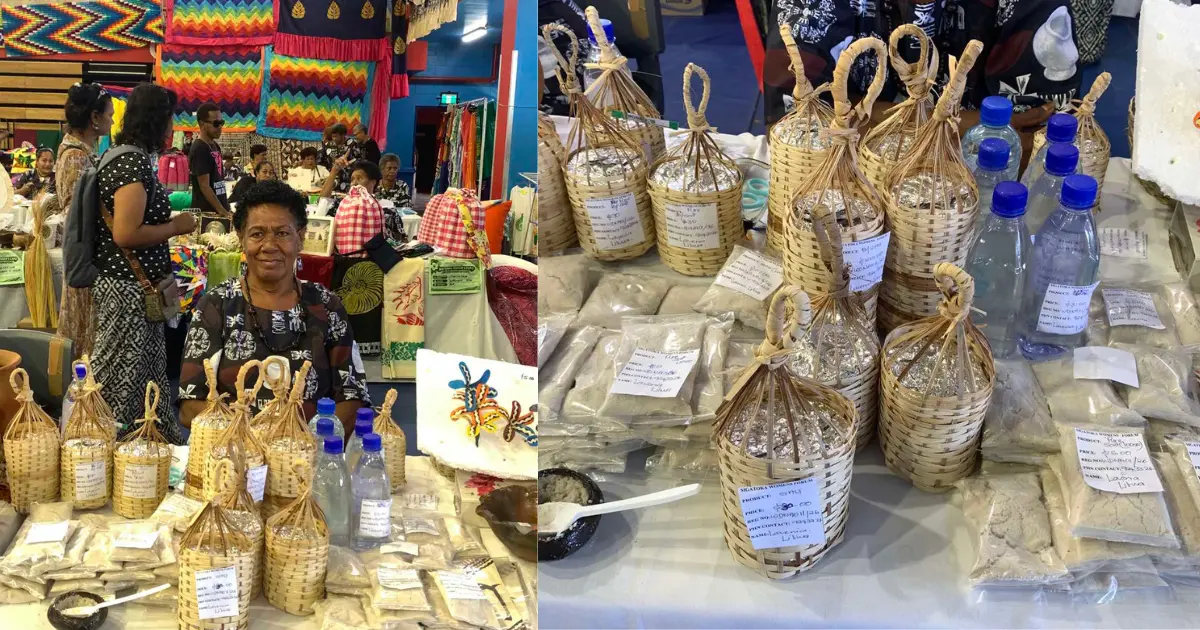
For Lavenia Liliwa, every grain of salt produced in Lomawai Village, Nadroga, carries the hard work and knowledge of generations of women before her.
Known locally as mahima, the traditional salt takes an entire day and night to produce, with women working together to keep a wood fire burning as saltwater slowly evaporates.
But for Ms Liliwa, the long hours are worth it because the craft is an inheritance she hopes future generations will continue.
Related stories
“This salt is the inheritance of our elders and ancestors, and we, the generation of today, are now continuing to carry it on,” she said.
Salt-making has long been part of life in Lomawai, where women use water collected from traditional saltwater wells, known as toevu, in the village's mangrove flats.
The process begins with gathering large pieces of firewood and collecting saltwater from the traditional source rather than directly from the sea.
The women then pour the water into a large pot over an open fire, allowing it to boil until the water evaporates and salt begins to settle at the bottom.
As the water level drops, more saltwater is added.
The fire must burn continuously throughout the process.
“The firewood should not go out. The more it keeps boiling and the salt is falling down inside the pot, the more water we have to pour. The more saltwater we pour, the more salt we will get,” Ms Liliwa said.
The demanding work requires patience and cooperation, with women sharing responsibilities to keep the fire going through the day and night.
For Ms Liliwa, the process is not simply about producing a cooking ingredient. It is about keeping alive the skills passed down by her ancestors.
Taking tradition beyond the village
Ms Liliwa was selected through the Nadroga-Navosa Forum to showcase Lomawai's traditional salt at this year's Fiji National Women's Expo.
She brought the locally produced mahima, also known as “white gold”, to share the village's heritage with visitors.
Preparation for the expo began in September, when she worked with a small group of women to produce enough salt for the event.
However, keeping the tradition alive comes at a cost.
Ms Liliwa said collecting firewood was one of the biggest challenges because the women had to pay for fuel to travel and gather enough wood for the long cooking process.
Despite these difficulties, interest in Lomawai's salt has grown.
Ms Liliwa said she had received enquiries from people overseas who were interested in the product after learning about its qualities.
She said the natural salt contained no added chemicals and remained an important resource for the village.
The growing interest has given the women an opportunity to earn income from a traditional craft while sharing their heritage beyond Lomawai.
For Ms Liliwa, taking mahima to the expo was a source of pride.
Each pot represents hours of work, the cooperation of village women and the knowledge inherited from their ancestors.
It is a tradition they are determined to preserve for the next generation.