Parents urged to guide children as social media affects family ties
Former educators and community voices say parental involvement, quality education and clear boundaries are essential as social media shapes young people’s behaviour.
Wednesday 14 October 2026 | 06:00

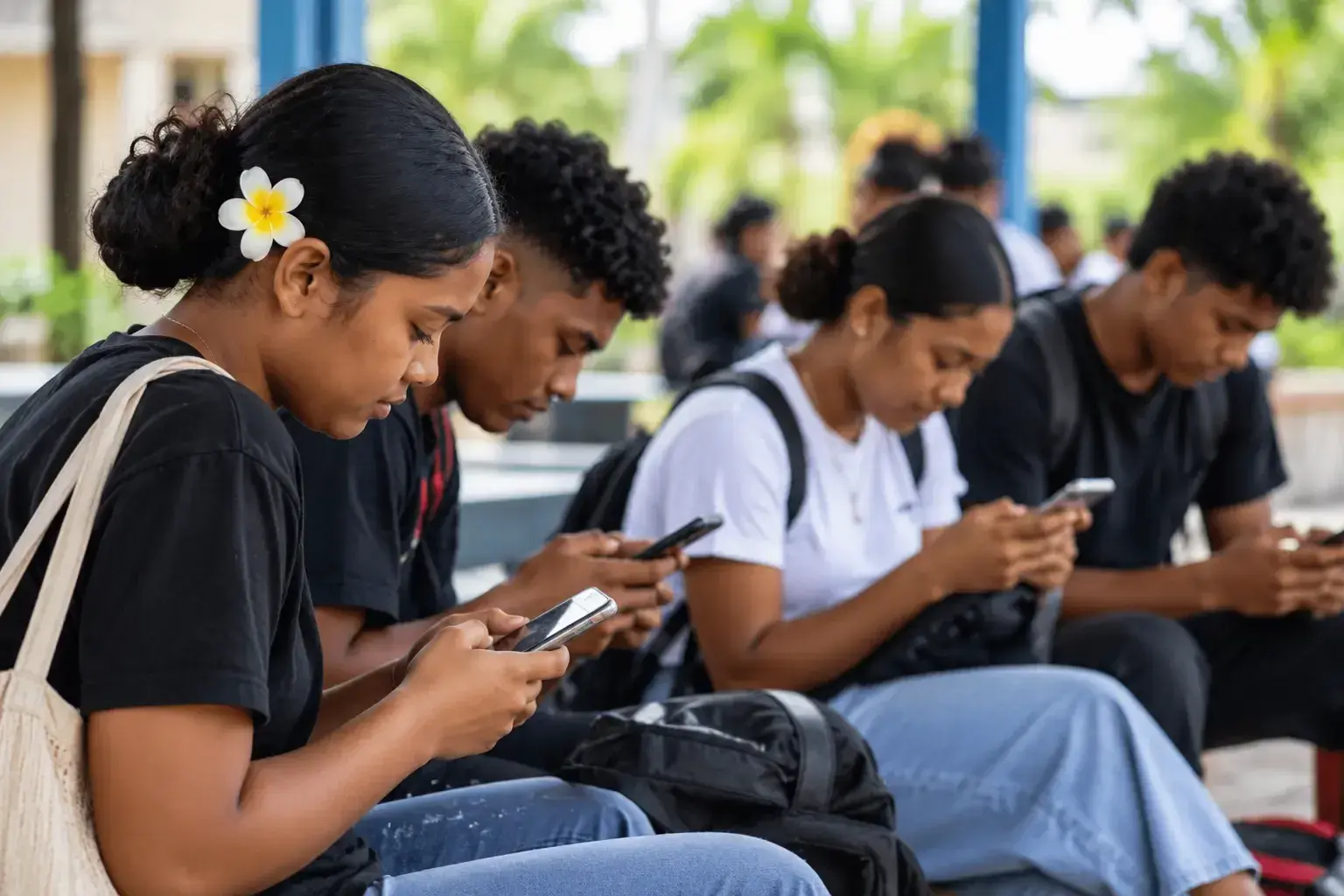
Parents and teachers have been urged to take a greater role in guiding children’s social media use, amid concerns about family relationships, online behaviour and exposure to explicit content.
Photo: AI Generated
Former educators and community voices say parental involvement, quality education and clear boundaries are essential as social media shapes young people’s behaviour.
Former civil servant Siteri Tuiqilai said children needed to understand that rights came with responsibilities, both at home and at school.
“To have a quality society, we need quality education,” she said.
Related stories
Ms Tuiqilai said parents needed to spend more time with their children rather than prioritising social activities. She said teachers and families also had to work together to provide quality education.
She expressed concern that the internet had changed how children learned and behaved, calling for greater commitment from parents and teachers to guide young people.
Former teacher Filomena Tagivetaua said social media had taken away valuable family time, with family members no longer necessarily eating together or spending as much time with one another.
She said family interaction was important in shaping children, helping them develop confidence, security and values, regardless of their family’s financial circumstances.
Ms Tagivetaua also criticised the sharing of explicit photographs and videos, saying it reflected a lack of respect for oneself, family and others.
She urged parents to teach children right from wrong and called on the Government to consider rules and age restrictions to protect young people online.
Former head teacher Amerita Talemate also raised concerns about children’s exposure to pornography and explicit content.
She said young people needed boundaries and guidance from an early age, warning that what they saw online could influence their decisions and behaviour.
Ms Talemate called on parents to remain firm in guiding their children, including through family values and religious teachings.
Retired Fiji Navy commander John Fox said social media allowed people to hide behind online identities, which could make them less accountable for their comments and actions.
He said people had previously been more conscious of how they communicated because their identities were known.
Mr Fox said education was important in helping people understand how to use social media responsibly, adding that users needed guidance on appropriate online behaviour.
First-year hospitality student Atelaite Ledua said social media had changed how people spent their time and communicated with others.
While acknowledging that online platforms made information easier to access, she said excessive use could reduce face-to-face communication.
Ms Ledua said young people should be cautious about explicit photographs and videos, particularly when they were sent by strangers.
She advised students to think carefully before accepting or sharing content online and to avoid material they considered inappropriate.
The interviewees’ concerns highlighted the importance of parental involvement, education and responsible online behaviour as social media continued to influence family and community life.