Patronage weakening Fiji’s democracy, says Catholic Archbishop
Patronage linked to corruption, political loyalty and dependency, says Archbishop Peter Loy Chong.
Thursday 13 August 2026 | 10:30
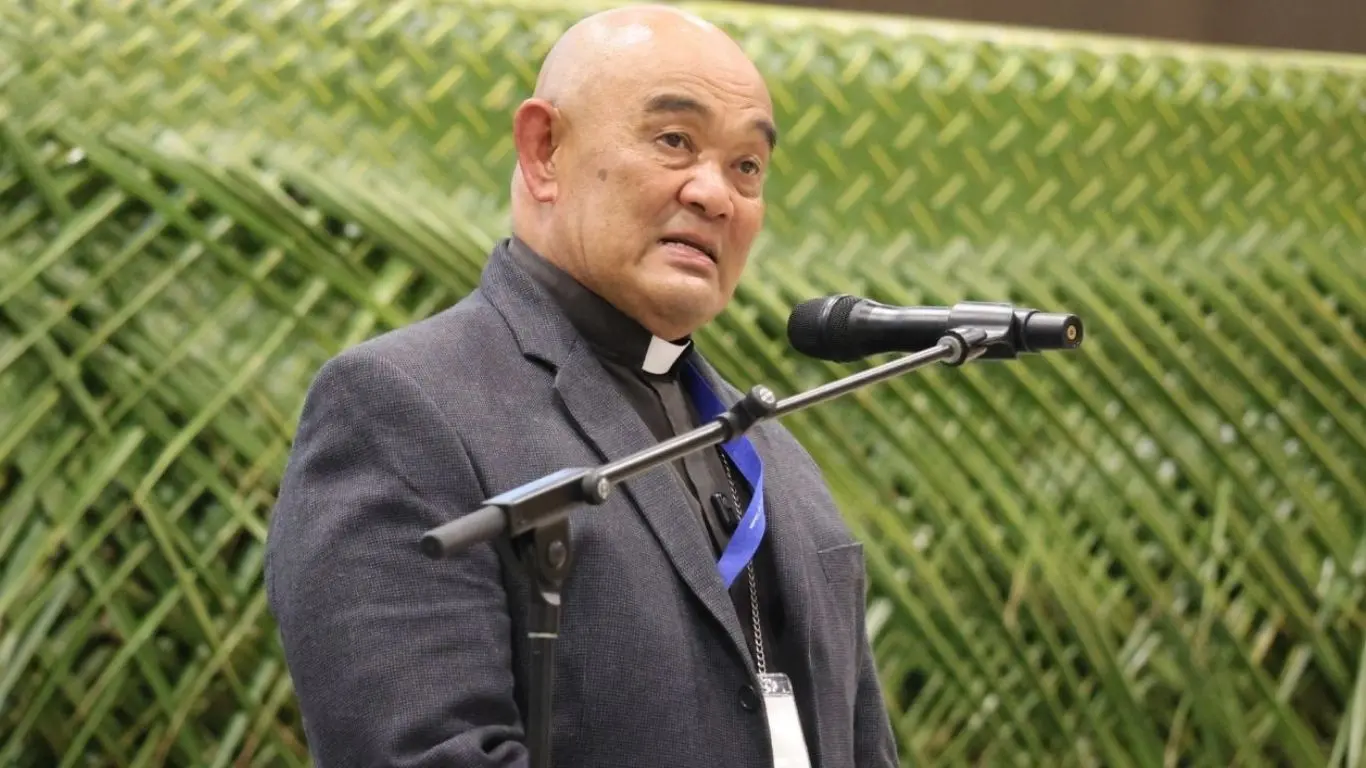
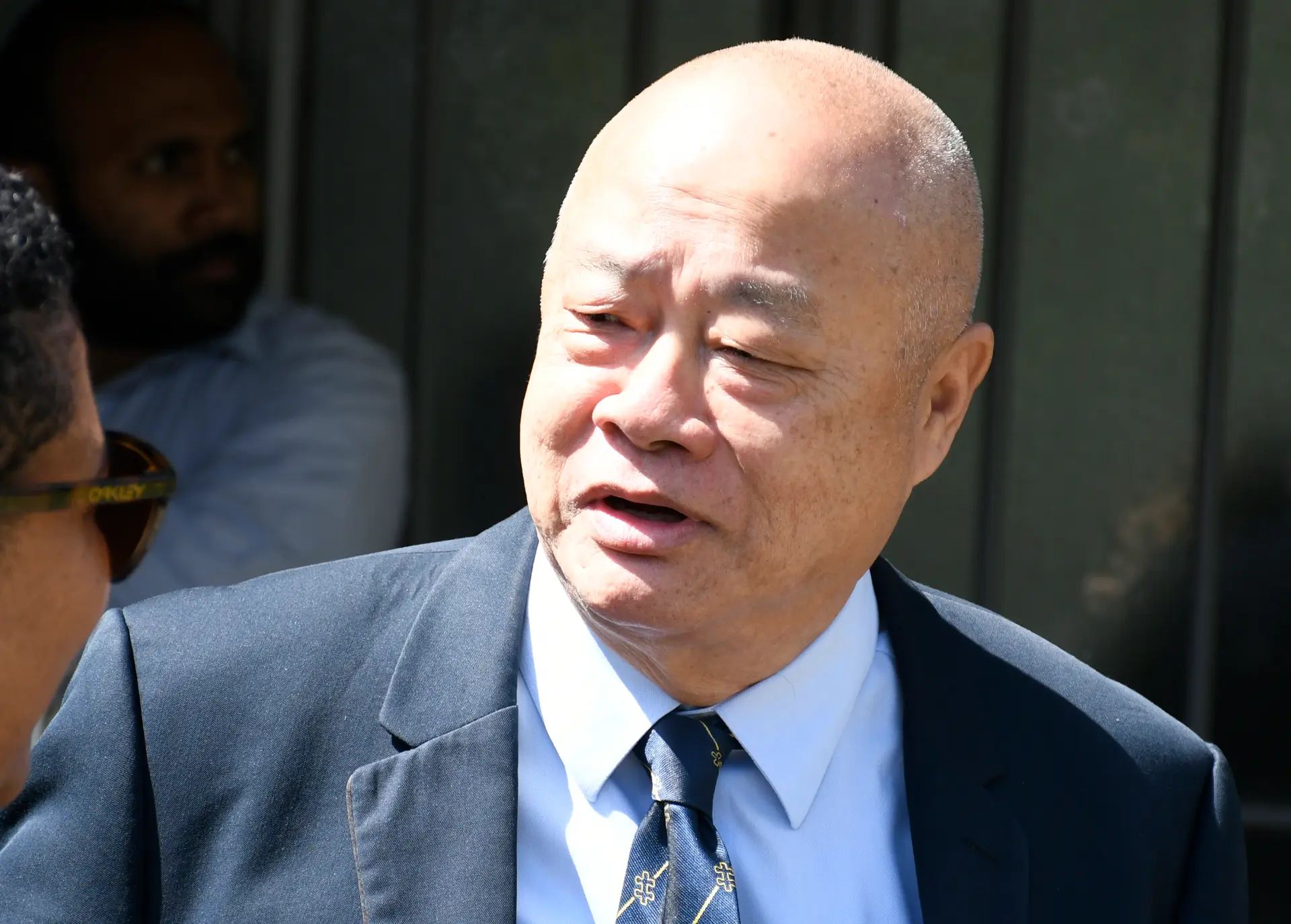
Head of the Catholic Church in Fiji Archbishop Peter Loy Chong at the 2nd Pasifika Philosophies Conference at the Fiji National University Nasinu campus on August 12, 2026.
Photo: Asenaca Ratu
Patron-client politics remains a major force shaping political power in Fiji and can contribute to corruption, dependency and weak democratic institutions, Archbishop Peter Loy Chong has warned.
Speaking at the 2nd Pasifika Philosophies Conference in Nasinu yesterday, the Head of the Catholic Church in Fiji said patronage had influenced leadership, resource distribution, ethnic mobilisation and political loyalty in Fiji and other Pacific Island countries.
Archbishop Chong described patron-client politics as an exchange in which people with political, social or economic resources provide assistance, protection, employment or development opportunities in return for political support.
Related stories
“The patron possesses the greatest social and political economic resources,” he said.
Archbishop Chong said the system became problematic when people relied on personal connections to access resources rather than universal rights and accountable institutions.
While patronage could provide immediate assistance, he said it could also create long-term dependency and contribute to corruption because many arrangements were informal and outside public accountability.
He said patron-client politics in Fiji was linked to traditional authority, communal loyalties, religion, chiefly allegiance, provincial structures and political parties.
The system existed before colonial rule but was later institutionalised through British indirect rule, with the colonial government becoming a major patron and chiefs and officials serving as intermediaries.
Archbishop Chong said elements of patronage continued after independence, including during periods of political instability and military intervention.
He said the the past government administration weakened the traditional chiefly establishment but created a new form of patronage centred on military and centralised executive power.
“Personality changed, but the form of power was still the same,” he said.
Feedback: joseph.paul@fijisun.com.fj