PM rejects claims he overstepped referendum powers
The criticism has come from political parties and former A-G Aiyaz Sayed-Khaiyum.
Wednesday 07 October 2026 | 15:00

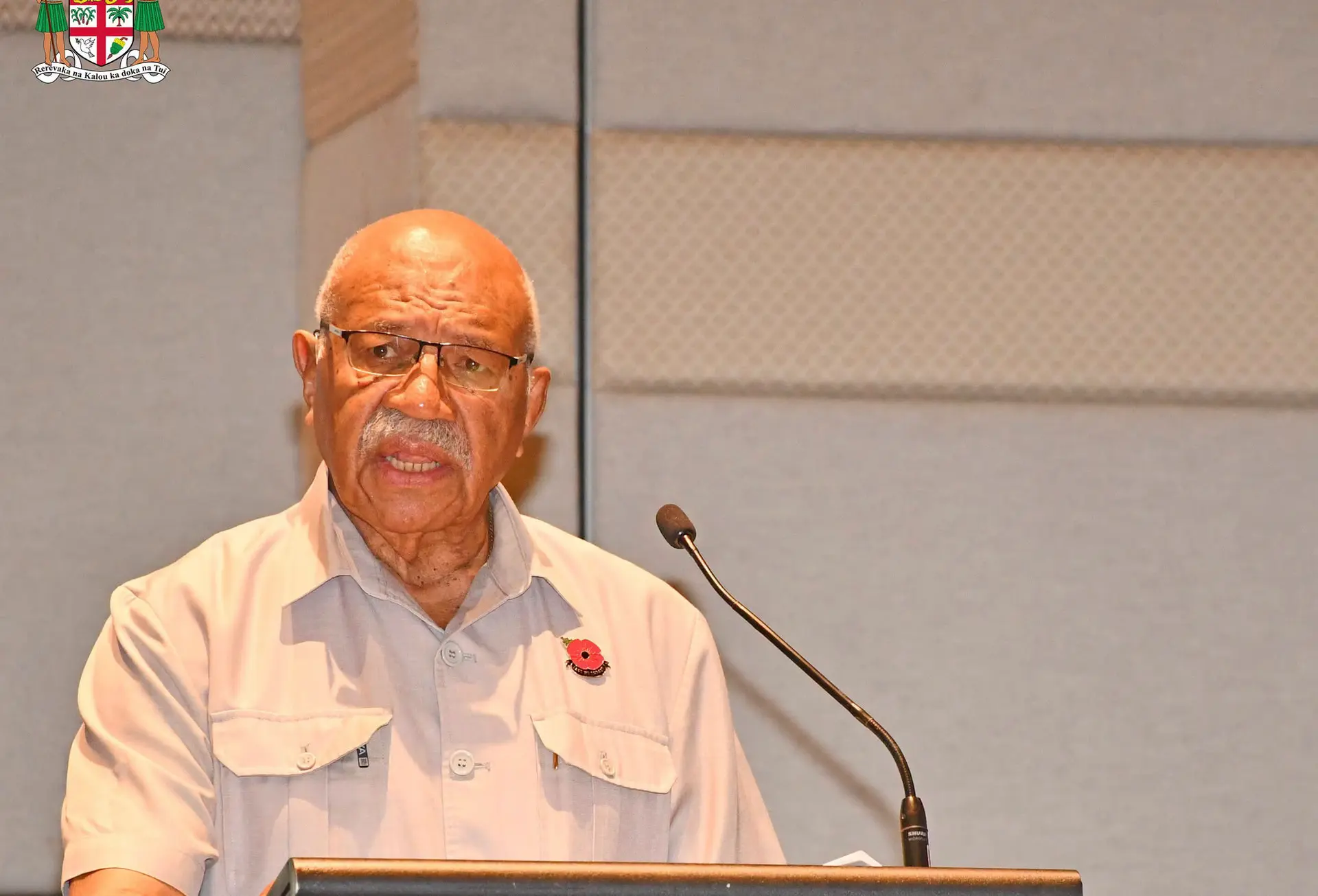
Prime Minister Sitiveni Rabuka has rejected claims that he overstepped the roles of Parliament, the President and the Electoral Commission in announcing key dates for the December 9 referendum, saying the Government is acting within the law.
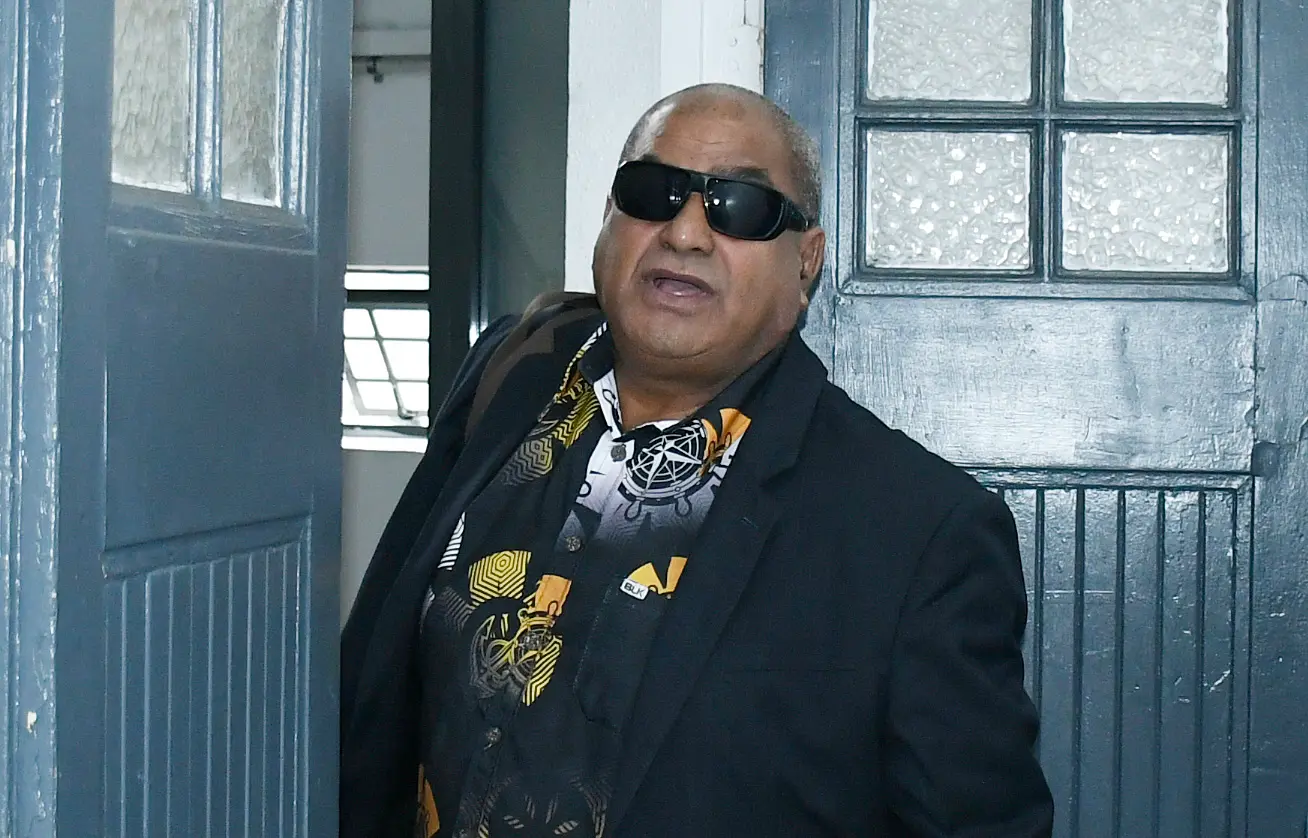
The criticism has come from SODELPA, National Federation Party leader Professor Biman Prasad and former Attorney-General Aiyaz Sayed-Khaiyum.
Mr Rabuka said he only announced the writ, polling and results dates for the referendum, not the campaign period.
Related stories
He said today that he had received sound legal advice.
"No, I have not been ill-advised. We are very clear on the legal processes and the necessary steps we must take," he said.
Mr Rabuka said Monday's announcement covered the date for issuing the writ, the polling date and the date by which results must be returned.
He said the Government had informed the Standing Committee on Justice, Law and Human Rights, the Fijian Elections Office, the Electoral Commission and the Office of the Solicitor-General of its plans.
"Because this is Fiji's first referendum, we are navigating uncharted waters. However, we are strictly operating within the provisions of our electoral and referendum legislation."
Postal voting
Mr Rabuka said announcing the date early would help voters.
Section 68 of the Electoral Act opens postal voting applications once an election date is announced. Section 6(1) of the National Referendum Act 2026 applies those provisions to referendums.
Voters who will be away from their polling station, or who have another lawful reason, can now apply and register as postal voters.
On the Electoral Commission, Mr Rabuka said the Government could make recommendations, but the final decision rested with the Commission.
"We fully respect their independence," he said.
Coalition
Mr Rabuka said the Coalition Government "remains completely intact" despite concerns raised by its two partners.
He said the select committee would receive all submissions and deliberate on them.
"In a healthy democracy, there is room to agree to disagree, but we will ultimately move forward with the business of implementing the necessary changes for our people, strictly within the confines of the law."