Ravunawa warns against Constitution misinformation
With information spreading rapidly through social media, Mr Ravunawa urged Fijians to read constitutional provisions directly before forming or sharing opinions.
Tuesday 06 October 2026 | 07:00

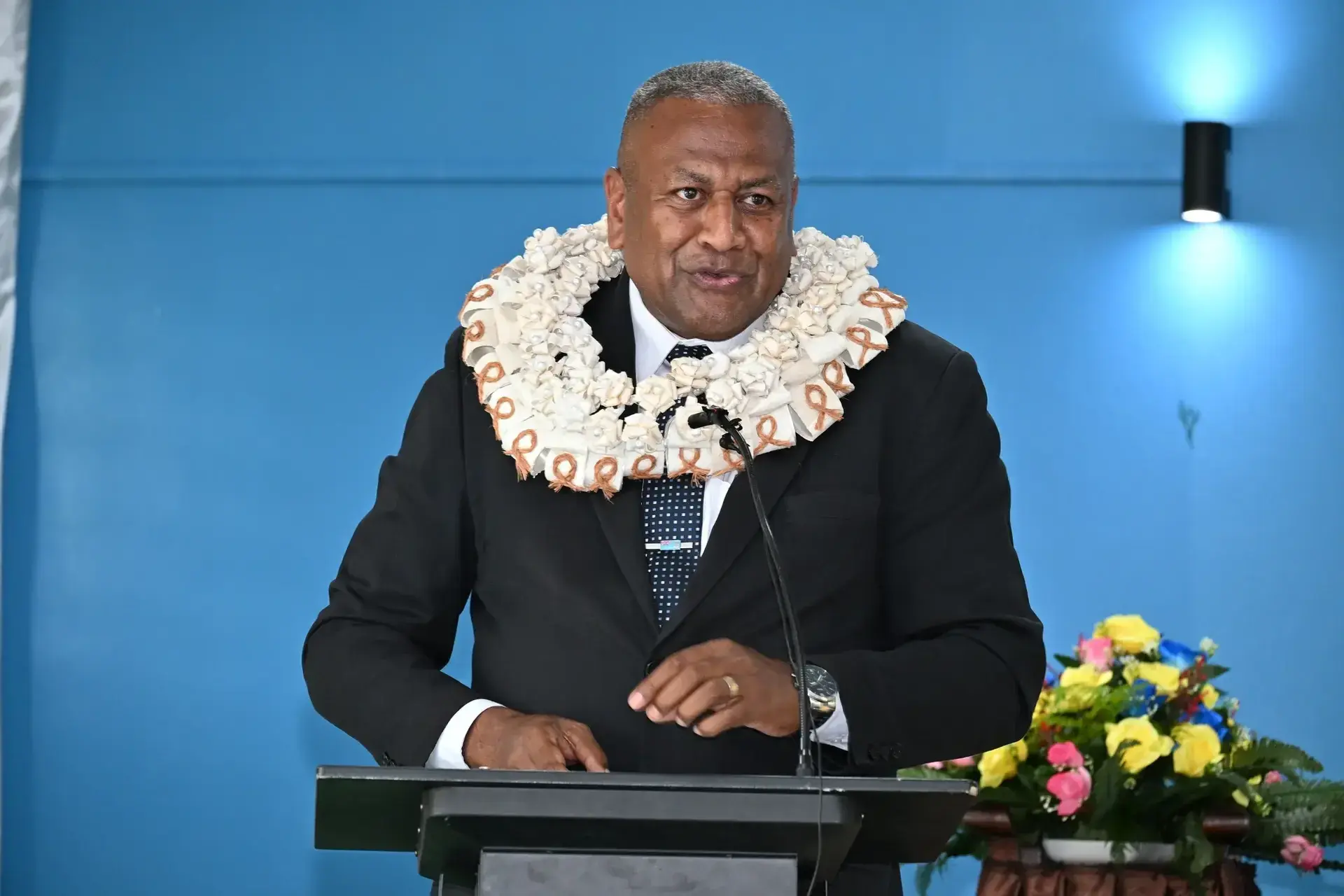
Assistant Minister for Health and Medical Services Penioni Ravunawa
Photo: Supplied
Fijians should read the Constitution or the Constitution Amendment Bill 2026 for themselves and verify claims against its actual provisions instead of relying on social media commentary and misinformation, Assistant Minister for Health and Medical Services Penioni Ravunawa says.
Mr Ravunawa said constitutional literacy was essential for meaningful participation in democracy because it enabled citizens to understand their rights and responsibilities, question public decisions and hold institutions accountable.
“A Constitution belongs to the people,” he said.
Related stories
He said the Constitution was more than a legal document for lawyers, politicians, academics and public officials, as it established how the country was governed, defined the powers of public institutions and protected fundamental rights and freedoms.
With information spreading rapidly through social media, Mr Ravunawa urged Fijians to read constitutional provisions directly before forming or sharing opinions.
"Short videos, forwarded messages, headlines and political commentary could offer interpretations but should never replace the Constitution itself," Mr Ravunawa said.
He said citizens should check whether information came from an official and reliable source, whether the complete provision had been considered and whether an explanation accurately reflected the constitutional text and lawful processes.
Mr Ravunawa said a constitutionally informed population was better equipped to participate in elections, public consultations, parliamentary processes and national debates, particularly when constitutional or legislative matters were being considered.
He also called for constitutional education to be made more accessible through schools, universities, churches, community organisations, traditional leaders, the media, Government and Parliament.
Copies and explanations of the Constitution, he said, should be available in accessible languages and formats to ensure people were not excluded because of their location, language, disability, age or limited access to digital technology.
Mr Ravunawa said democratic participation did not require everyone to share the same opinion, but disagreements should be informed, respectful and grounded in the Constitution and lawful processes.
He encouraged Fijians to obtain a copy of the Constitution, read it carefully, discuss it within their families and communities, and consult credible sources when clarification was needed.
“Do not allow someone else to decide what the Constitution means without first making the effort to read it for yourself,” he said.