Truth commission hears how coups affected Fiji's classrooms
The loss of experienced educators affected primary and secondary schools, including the availability of science and mathematics teachers.
Saturday 10 October 2026 | 14:30

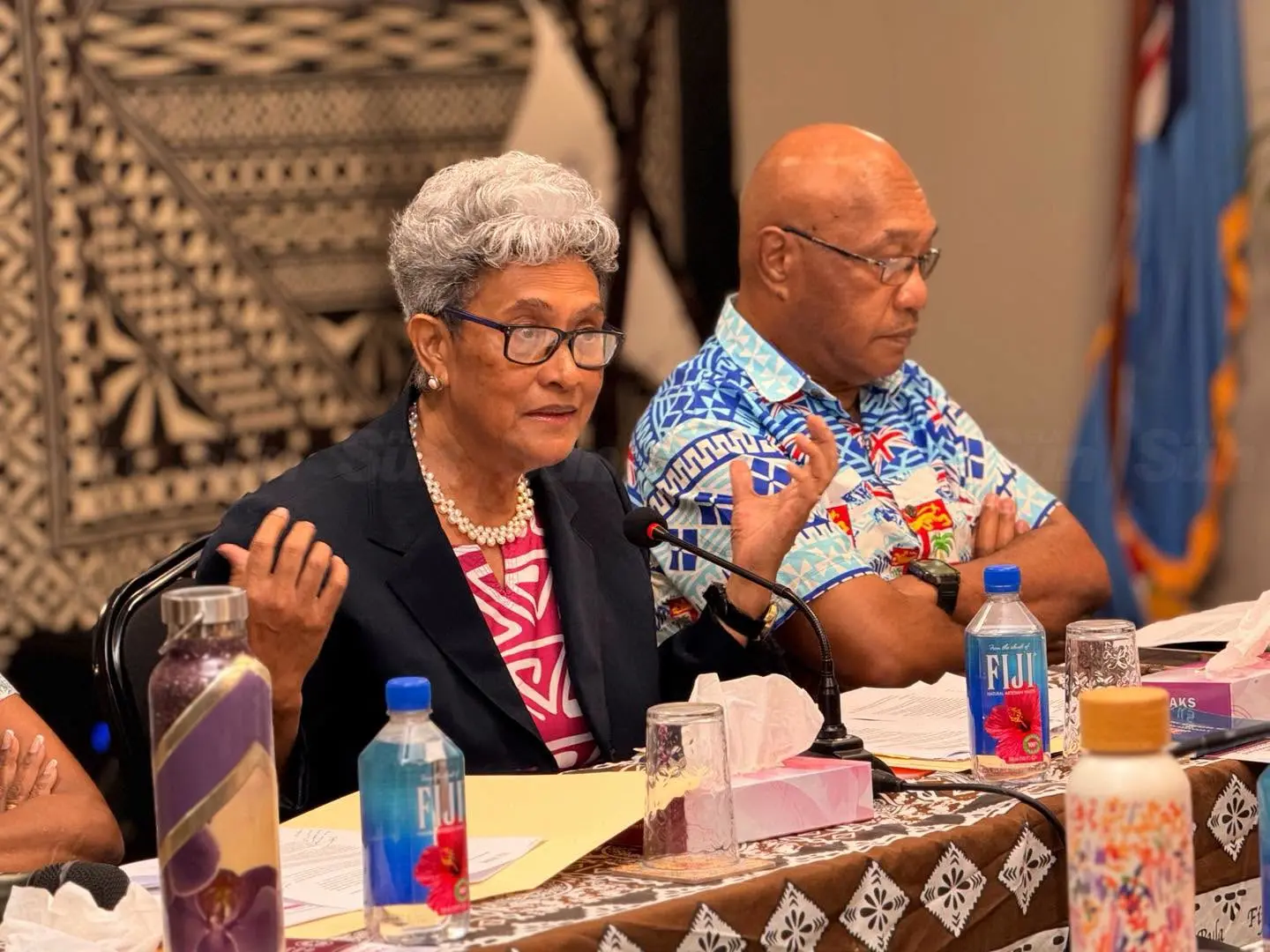
Commission’s expert hearing on education, chapter reviewer Priscilla Puamau said the political upheavals of 1987, 2000 and 2006 had compounded existing challenges in the sector.
Photo: Asenaca Ratu
Coups have contributed to teacher shortages, weakened school leadership and disrupted the quality of education in Fiji.
Speaking at the Fiji Truth and Reconciliation Commission’s expert hearing on education, chapter reviewer Priscilla Puamau said the political upheavals of 1987, 2000 and 2006 had compounded existing challenges in the sector.
She said more than 52,000 people emigrated permanently between 1987 and 2001. Of the 8,600 highly skilled professionals who left, 32 per cent were qualified teachers, according to figures cited during the hearing.
Related stories
The loss of experienced educators affected primary and secondary schools, including the availability of science and mathematics teachers.
To address classroom shortages, a fast-track training scheme was introduced in the late 1980s, placing school-leavers in primary classrooms without formal teacher-training qualifications.
Ms Puamau said this approach had affected education quality, with gaps in primary-level learning carrying through to secondary schools and tertiary institutions.
Another setback came in 2009, when the compulsory retirement age for civil servants was reduced from 60 to 55. About 1000 educators reportedly retired, including 750 primary and 250 secondary teachers.
She said teacher resignations remained a concern, with an average of 50 teachers leaving each month, or about 600 annually.
Slightly more than 600 secondary-trained teachers were also deployed to primary schools in 2025, raising questions about their preparation for teaching younger pupils.
“The quality of teachers and the quality of the heads of school matter, as they are key drivers of student achievement,” she said.
Ms Puamau said addressing the shortages requires sustained attention to teacher training, workforce planning and education quality.