Villagers fight to save land from the sea
Village women’s club president and Fiji Council of Social Services (FCOSS) representative Temalesi Buivakawalu said villagers undertook the project because of the harsh realities of climate change.
Monday 05 October 2026 | 12:00

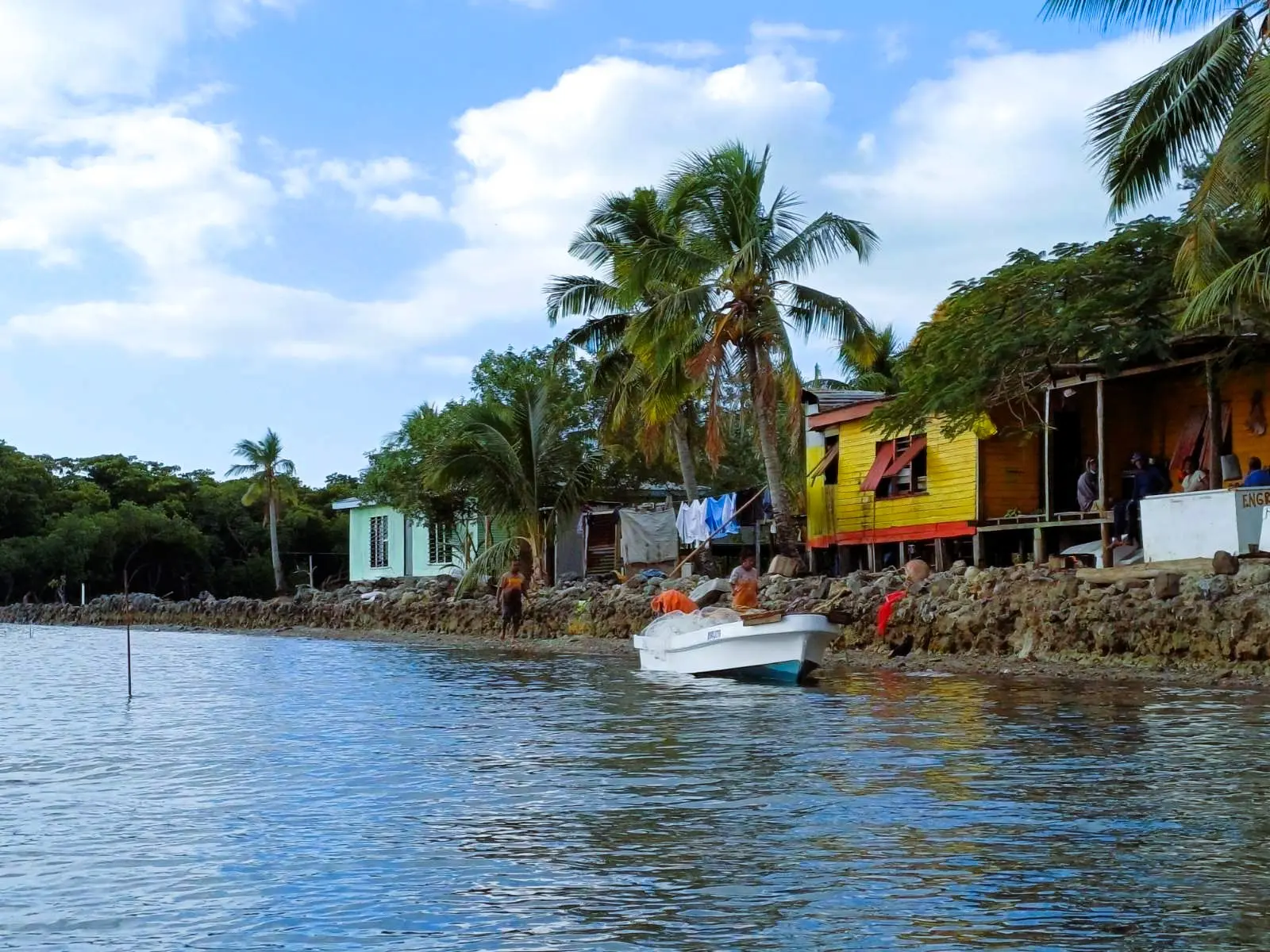
Vesi Villagers on Mali Island in Macuata have self-initiated a temporary seawall to counter climate change risks.
After waiting close to a decade for Government assistance, Vesi villagers on Mali Island in Macuata have taken matters into their own hands, building a temporary seawall to protect their land from coastal erosion.
Village women’s club president and Fiji Council of Social Services (FCOSS) representative Temalesi Buivakawalu said villagers undertook the project because of the harsh realities of climate change.
With coastal erosion high and vegetation cover being lost, villagers erected a temporary seawall using boulder rocks covered with soil.
Related stories
Ms Buivakawalu said they planted vetiver grass on the soil covering to hold the soil together, while the rocks below provided a barrier against crushing seawater.
They initiated the temporary seawall while waiting for a permanent structure to be constructed by Government.
"We have waited for close to a decade now since we first made a request to government of the need for a seawall".
Ms Buivakawalu said the village decided to act rather than remain idle and watch its land being washed into the sea.
"The crushing waters and loss of land whenever the sea erodes our soil not only causes geographical loss, but, a cultural loss".
Ms Buivakawalu said villagers valued their land as sacred because of their strong Fijian culture and customs.
To avoid further loss of mangrove cover, she said villagers had planted more than 1000 mangrove plants with assistance from an overseas non-government organisation (NGO).
Ms Buivakawalu said constant sea level rise and coastal erosion had also affected vegetation cover to the point where villagers could no longer plant root crops and vegetables.
To source fresh vegetables and root crops, they had to spend $60 on a return boat trip to Labasa to buy produce from the Labasa market.
Ms Buivakawalu said rubbish from Labasa also ended up on Mali Island, affecting Vesi villagers.
"We want to keep our villagers clean and environment safe from pile of rubbish".
She said the temporary seawall barrier helped keep these foreign items out of the village.
Despite taking their own action, villagers continue to pursue their request for Government assistance to construct a nature-based seawall.
"Other villagers are getting seawall constructed, we are left behind, we need answers," she added.