Australian scientists track a decade of Pacific Ocean change
Tuesday 13 October 2026 | 10:30

Scientists are comparing a decade of ocean measurements to better understand warming, changing ocean chemistry and marine ecosystem health.
Australian ocean scientists are investigating rapid changes beneath the Pacific Ocean’s surface, with new research expected to shed light on the future of marine ecosystems, tuna fisheries and climate policy across the region.
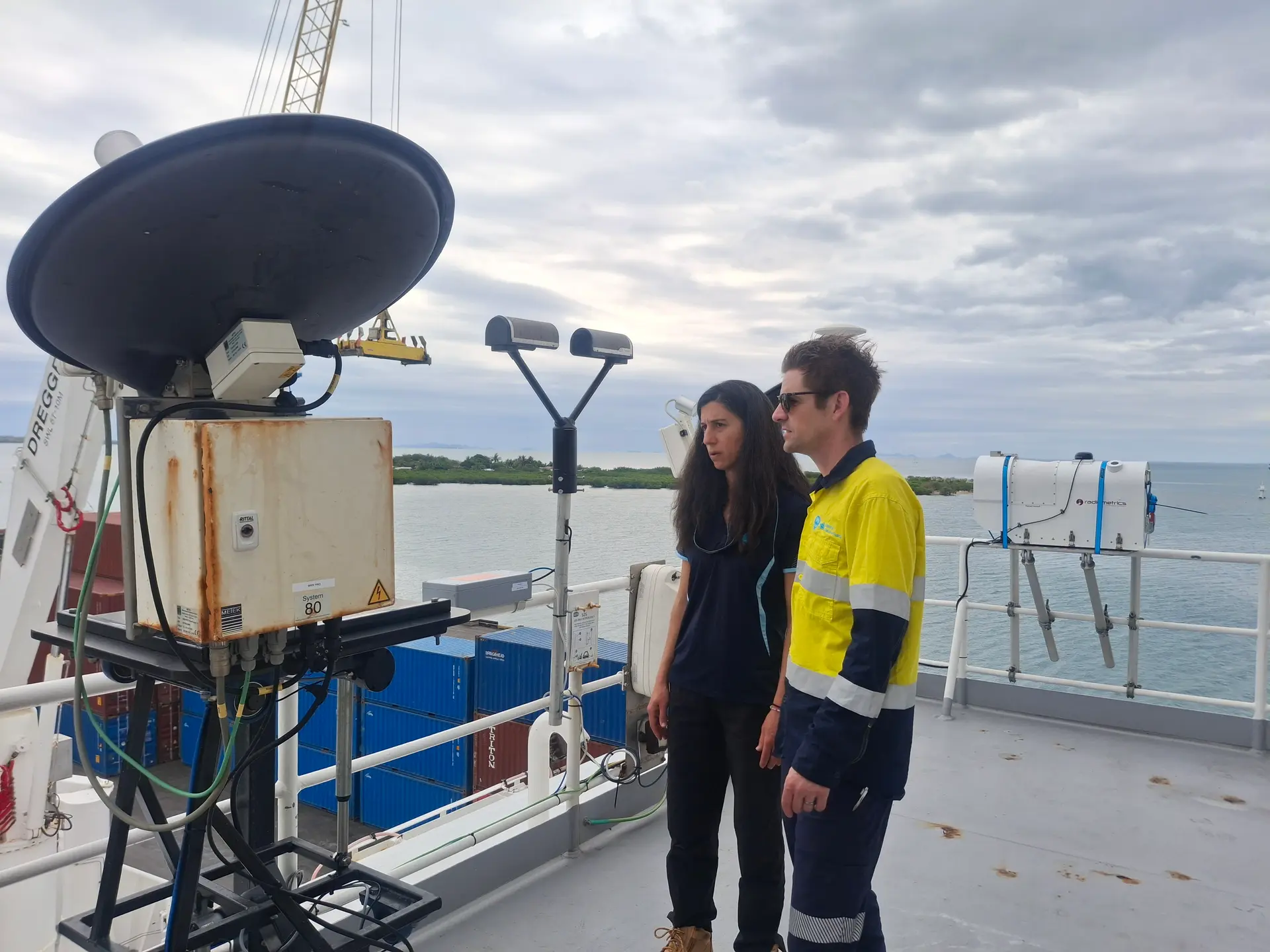
Physical oceanographer and climate scientist Dr Beatriz Peña-Molino highlighted the urgency of understanding these changes during a research visit to Fiji last month aboard an Australian scientific research vessel.
Dr Peña-Molino, who works in the Climate, Atmosphere and Oceans Interactions group within Environment RU, was part of a team of Australian scientists conducting research across the Pacific to measure how ocean conditions have changed over the past decade.
Related stories
The project revisits previously surveyed locations to examine changes in ocean temperature, carbon chemistry and marine ecosystem health.
Researchers are comparing new observations with measurements collected about 10 years ago to establish how quickly the Pacific Ocean is changing.
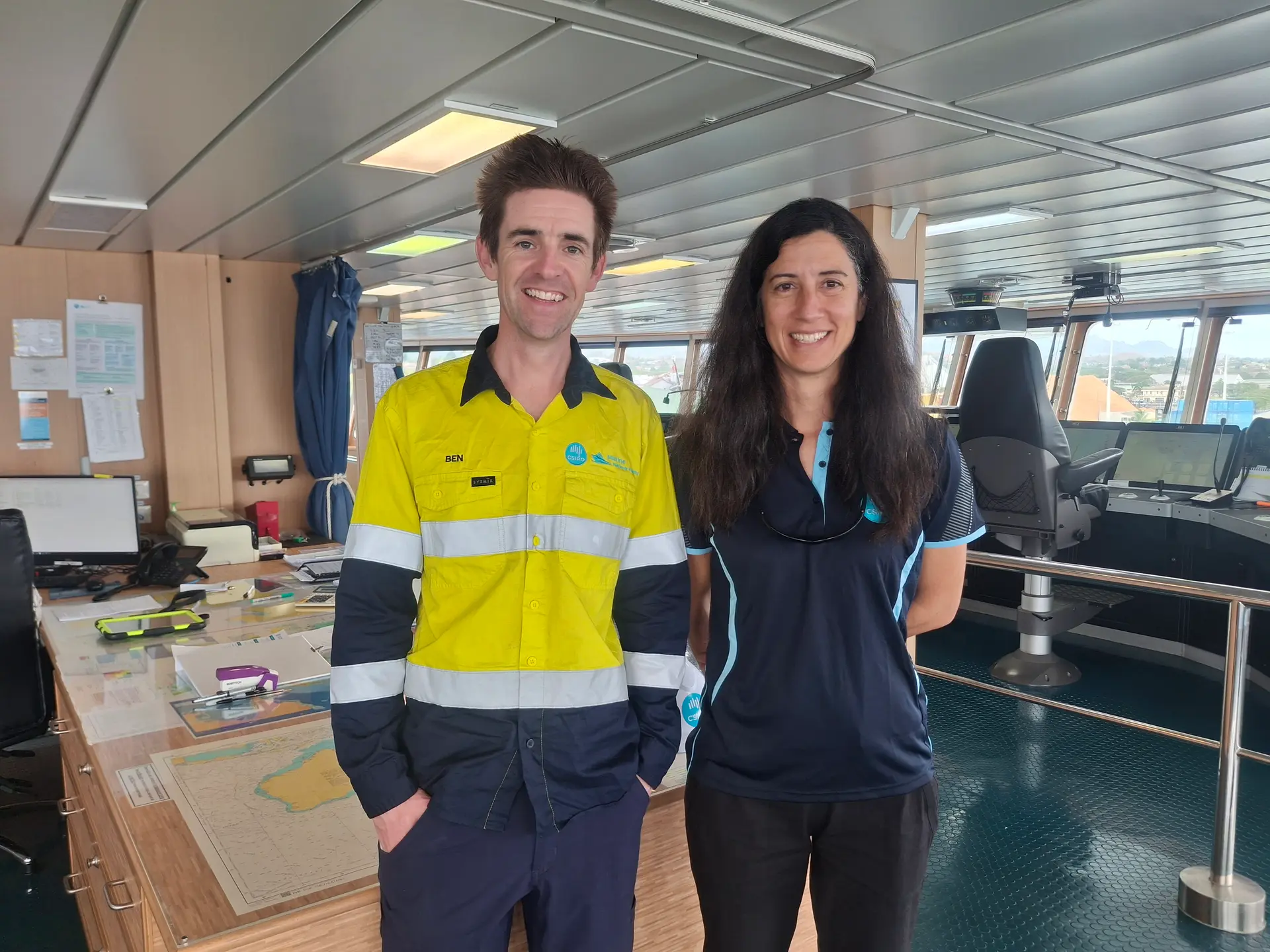
Physical oceanographer and climate scientist Dr Beatriz Peña-Molino with a marina ecologist, Dr Ben Arthur, in their research vessel at the Lautoka wharf.
Photo: Mereleki Nai
One major concern is that warming is extending beyond surface waters into deeper ocean layers, potentially faster than previously expected.
The findings could have significant implications for climate projections, ocean health and decision-making by Pacific governments.
Dr Peña-Molino said observational data were critical to validating and improving climate models, which policymakers rely on to understand future risks and develop effective climate responses.
While the upper kilometre of the ocean can reveal shorter-term changes, deeper waters provide a longer-term record of how the climate system is evolving. Understanding changes throughout the ocean is therefore essential to determining the scale and pace of ocean warming.
The research will also introduce a new dimension to the decade-long comparison: the use of environmental DNA (eDNA) to assess marine ecosystems.
This technology allows scientists to investigate the presence of organisms through genetic material collected from the environment, providing insights into changes in marine biodiversity that earlier surveys could not capture in the same way.
The team hopes to identify both positive and negative trends in ecosystem health and better understand how rising temperatures and changing ocean chemistry are affecting marine life.
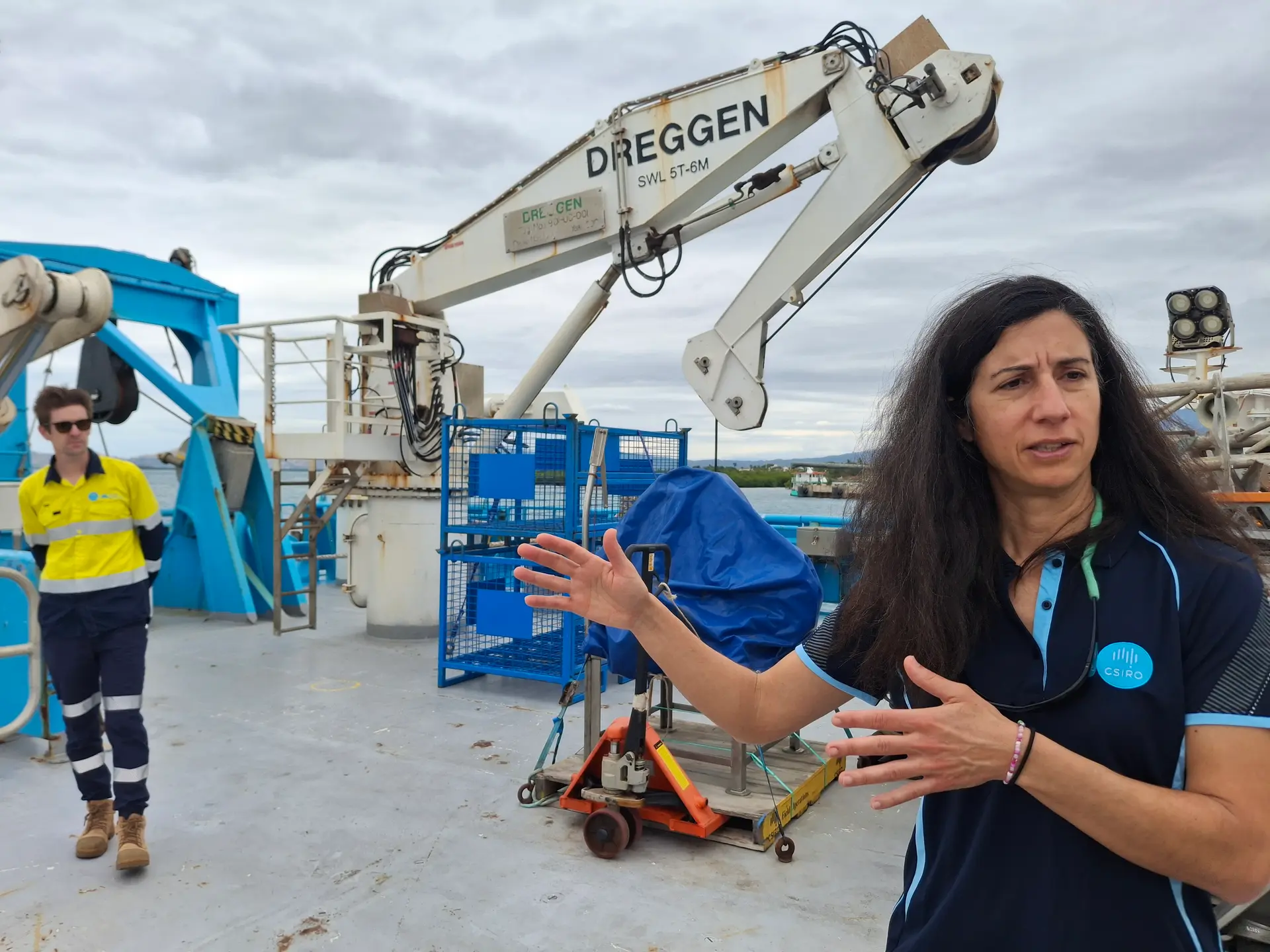
Physical oceanographer and climate scientist Dr Beatriz Peña-Molino with marine ecologist Dr Ben Arthur aboard their research vessel at Lautoka Wharf.
Photo: Mereleki Nai
Implications for tuna fisheries and Pacific livelihoods
For Pacific Island countries, the research has implications far beyond climate science.
Changes in ocean temperature and dissolved oxygen can influence where fish live, how marine ecosystems function and whether important species can thrive in their traditional habitats.
Dr Peña-Molino highlighted the importance of monitoring these conditions to support sustainable fisheries management, particularly for tuna, which underpin food security, employment and export earnings across much of the Pacific.
Declining oxygen levels, known as ocean deoxygenation, are a particular concern in parts of the central Pacific.
Combined with rising temperatures, reduced oxygen availability can affect the suitability of marine habitats and place additional pressure on fisheries.
Better observations, combined with improved climate models, could help scientists and fisheries managers anticipate changes in fish distribution and strengthen planning for the future.
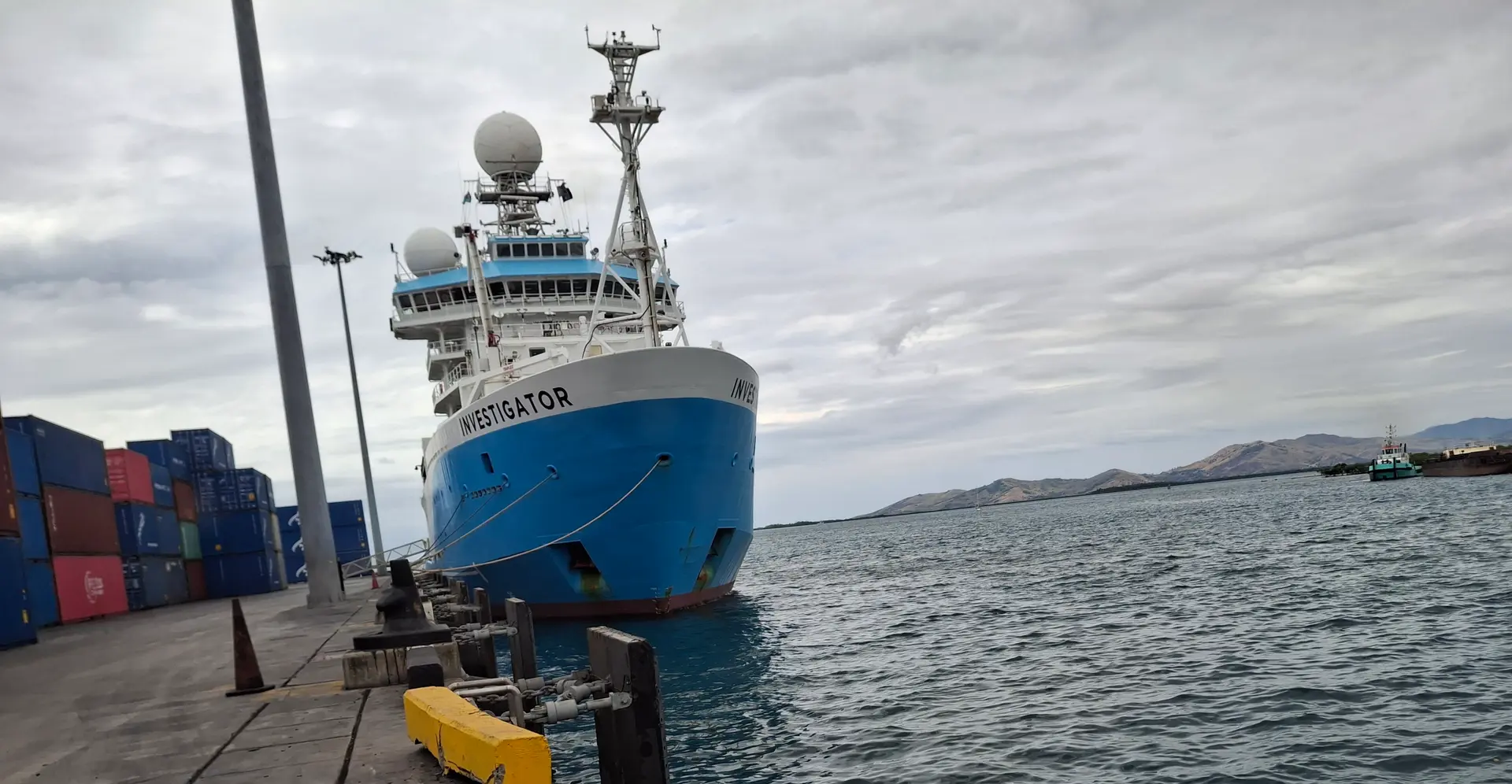
The research vessel docked at Lautoka wharf.
Photo: Mereleki Nai
Building the evidence Pacific leaders need
The research comes as Pacific nations continue to confront the growing impacts of climate change, including ocean warming, acidification and increasingly challenging climate extremes.
The interaction between long-term climate change and natural climate variability, particularly El Niño, is another key area of interest for the researchers. El Niño can significantly alter Pacific Ocean temperatures and circulation, compounding the effects of long-term warming.
Dr Peña-Molino stressed that continuous ocean monitoring was essential to understanding these changes and providing policymakers with reliable, evidence-based information.
By comparing current measurements with data collected a decade ago, the team aims to establish clearer trends in ocean conditions and assess how those changes could affect future climate projections and marine resource management.
The findings are expected to help inform climate policy, support Pacific leaders in decision-making and strengthen efforts to manage fisheries sustainably.
For the Pacific, understanding what is happening beneath the ocean’s surface is critical to preparing communities, protecting marine resources and making informed decisions about a rapidly changing climate.