Coups left lasting gaps in Fiji’s health sector, FTRC hears
Associate Professor Donald Wilson says departure of experienced doctors and specialists created long-term gaps in healthcare leadership and training.
Tuesday 03 November 2026 | 16:30
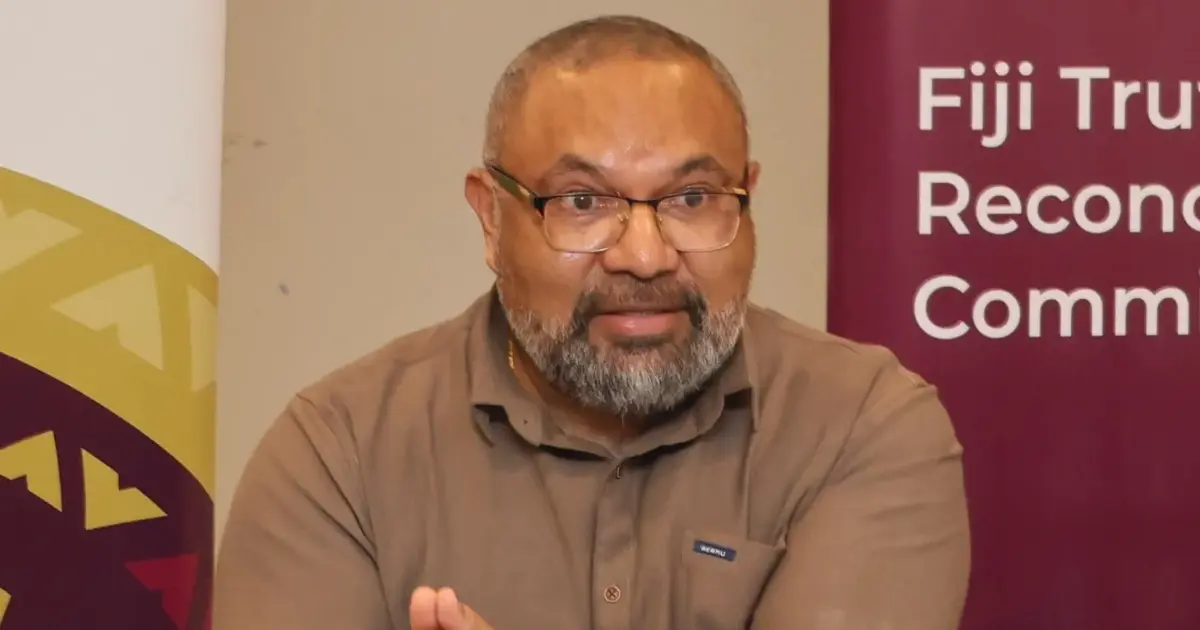
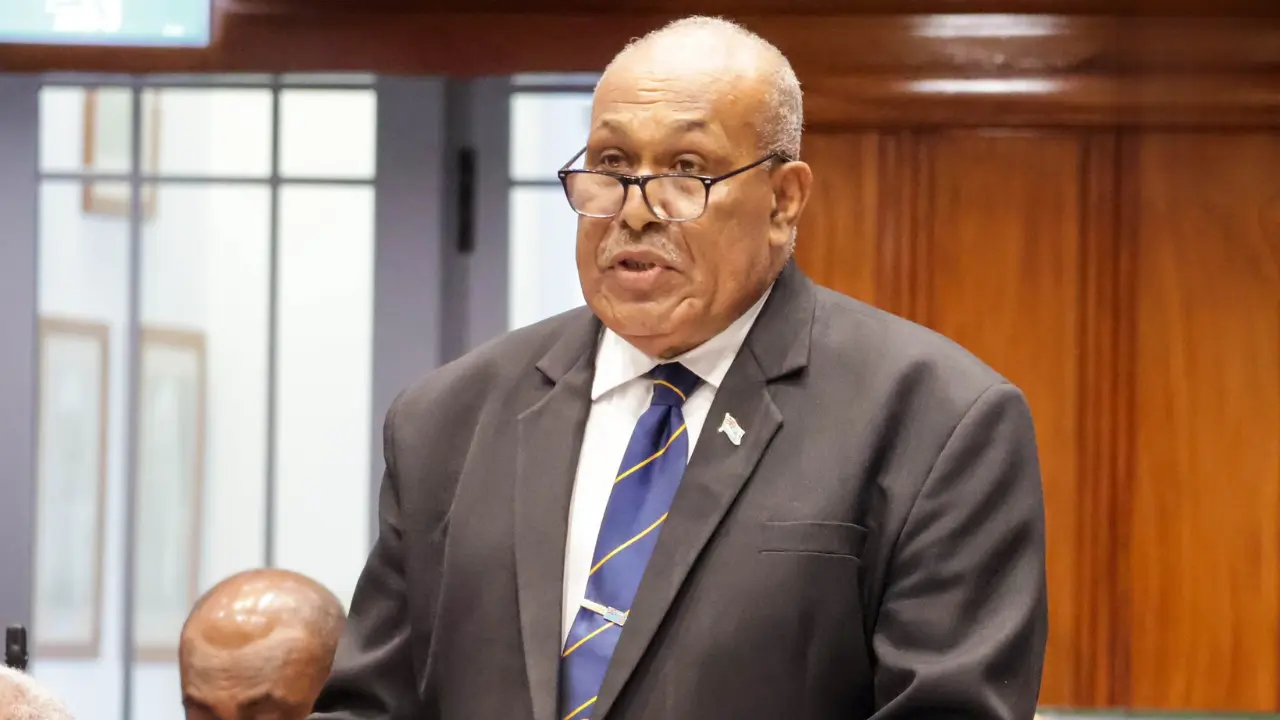
Associate Professor Donald Wilson during the Fiji Truth and Reconciliation Commission’s (FTRC) Expert Hearing on the Health Sector at Pasifika Communities University in Nasese, Suva, on November 3, 2026.
Photo: Supplied
Fiji’s health sector is still feeling the effects of losing experienced doctors, specialists and medical educators following the political upheavals of 1987, 2000 and 2006, Associate Professor Donald Wilson told the Fiji Truth and Reconciliation Commission hearing today.
Mr Wilson said the departure of experienced professionals created long-term gaps in medical leadership, specialist services and training that took years to address.
He said some doctors received overseas job offers within a week of the 1987 coup and left Fiji, with several senior professionals departing within two months.
Related stories
The impact was particularly severe outside Suva, where one division serving about 600,000 people was left with only two doctors to cover its services for three months.
"The impact was also felt outside Suva, where one division serving about 600,000 people was left with only two doctors to cover its services for three months," Mr Wilson said.
The loss of senior specialists also left departments without enough experienced professionals to guide younger medical staff.
Mr Wilson said some junior doctors were promoted to positions such as medical superintendents without management training, creating challenges for them and the health facilities they led.
"Some junior staff were promoted to positions such as medical superintendents without management training, creating challenges for them and the health facilities they led," he said.
Medical education was also affected after teaching staff left Fiji following the 1987 coup. Students who remained in the system lost experienced educators and had to depend on the clinicians still available.
Fiji also began losing its position as a regional medical training centre as specialists and educators departed.
However, Mr Wilson highlighted the development of a local master’s programme as an important achievement, allowing students to complete specialist training in Fiji instead of travelling overseas for their final training.
He said the lasting impact was not simply the number of people who left, but the expertise and experience that did not return.
Mr Wilson warned that Fiji needed to avoid further coups to prevent similar disruption to the health system.
He said political upheavals could destabilise health services, while doctors, nurses and other health workers had a responsibility to care for everyone, regardless of their background or political views.
"My answer would basically be no more coups, is how we just ensure that the health system is not affected," he said.