Psychiatrist urges clearer boundaries between politicians, health officials
Dr Odille Chang says political interference, poor working conditions and inadequate resources continue to affect Fiji’s health services.
Tuesday 03 November 2026 | 15:30
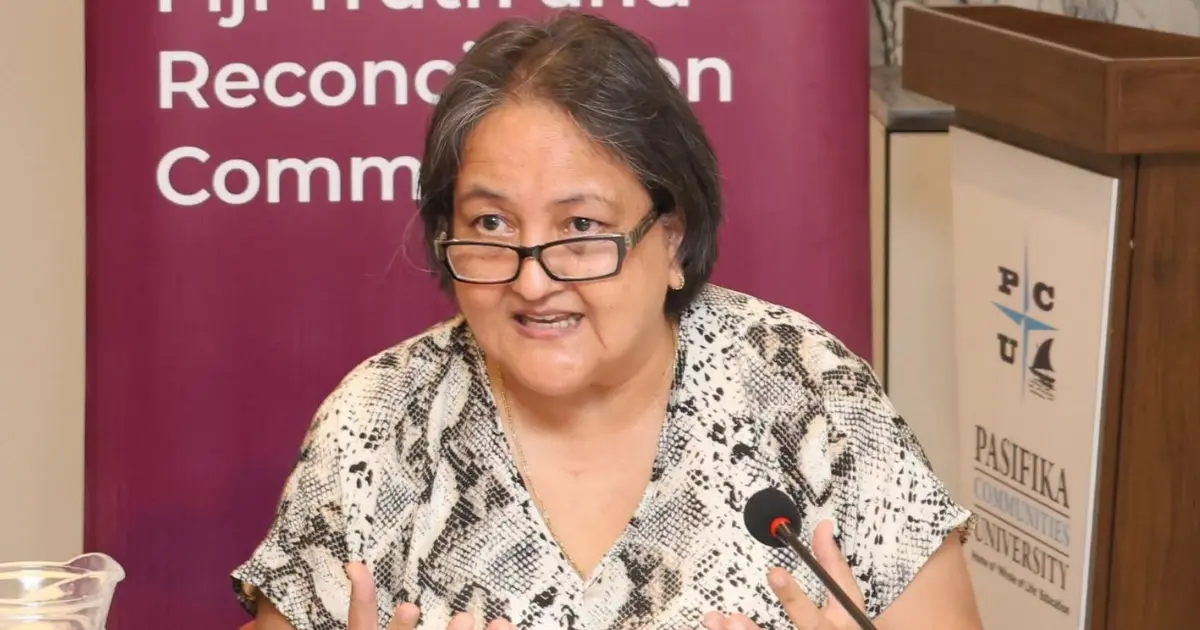
Psychiatrist and academic reviewer Dr Odille Chang during the Fiji Truth and Reconciliation Commission’s (FTRC) Expert Hearing on the Health Sector at Pasifika Communities University in Nasese, Suva on Tuesday.
Photo: Supplied
Psychiatrist and academic reviewer Dr Odille Chang has called for clearer boundaries between politicians and health officials.
She said political interference and poor working conditions continue to affect Fiji’s health sector.
Dr Chang spoke at the Fiji Truth and Reconciliation Commission’s (FTRC) Expert Hearing on the Health Sector at Pasifika Communities University in Nasese, Suva, yesterday.
Related stories
"I was a seventh-year medical student when the 1987 coup happened," Dr Chang said.
She said Filipino and Chinese doctors were working in Fiji’s hospitals at the time and had made valuable contributions to medical training through their clinical experience.
Dr Chang said the health sector continued to face challenges, including stressful working environments, inadequate facilities, medicine shortages and a lack of essential equipment.
She said higher salaries alone would not encourage health professionals to remain in Fiji if they could not carry out their duties in suitable working conditions.
She cited significant salary increases secured for doctors through the Fiji Medical Association, with some reaching 100 per cent, but said working conditions remained a concern.
Dr Chang also raised concerns about the quality of medical training, saying limited access to operating theatres and proper equipment affected students preparing to become surgeons, obstetricians, gynaecologists and ophthalmologists.
She said being a specialist or consultant did not automatically make someone a good teacher, as teaching required a separate set of skills.
She also highlighted mental health issues and burnout among health professionals, saying workplace stigma often prevented them from speaking openly about their struggles.
Dr Chang identified workplace safety and unfair promotion practices, including concerns about race and gender influencing career advancement, as other factors contributing to health professionals leaving Fiji.
As part of her recommendations, Dr Chang called for politicians and ministers to respect the roles of permanent secretaries and chief executive officers and allow them to manage the operational work of the health sector.
She said the Ministry of Health needed practical plans that were properly implemented and assessed, rather than policies developed simply to meet international requirements.
Dr Chang also called for stronger primary healthcare services through task-sharing and task-shifting, including better training for village health workers and nurses to provide services that did not require patients to travel to divisional or tertiary hospitals.
She said hospitals also needed adequate supplies and equipment, while health professionals required greater support for their emotional well-being.
Dr Chang said mental health services needed to become less stigmatised, including within the health workforce, so doctors and nurses could seek help without being judged.