Living on the edge: A home slowly washing away
Friday 21 August 2026 | 10:30
At Naviavia, a community descended from Solomon Islanders is facing rising waters, eroding land and an uncertain future — while fighting to protect the place they call home.
The Solomon Islanders in Fiji are descendants of people who were colonised and brought from their home islands as blackbirded labourers in the late 1800s.
Today, many live on unsecured land at Naviavia in Cakaudrove, Vanua Levu, and continue to face the impacts of climate change.
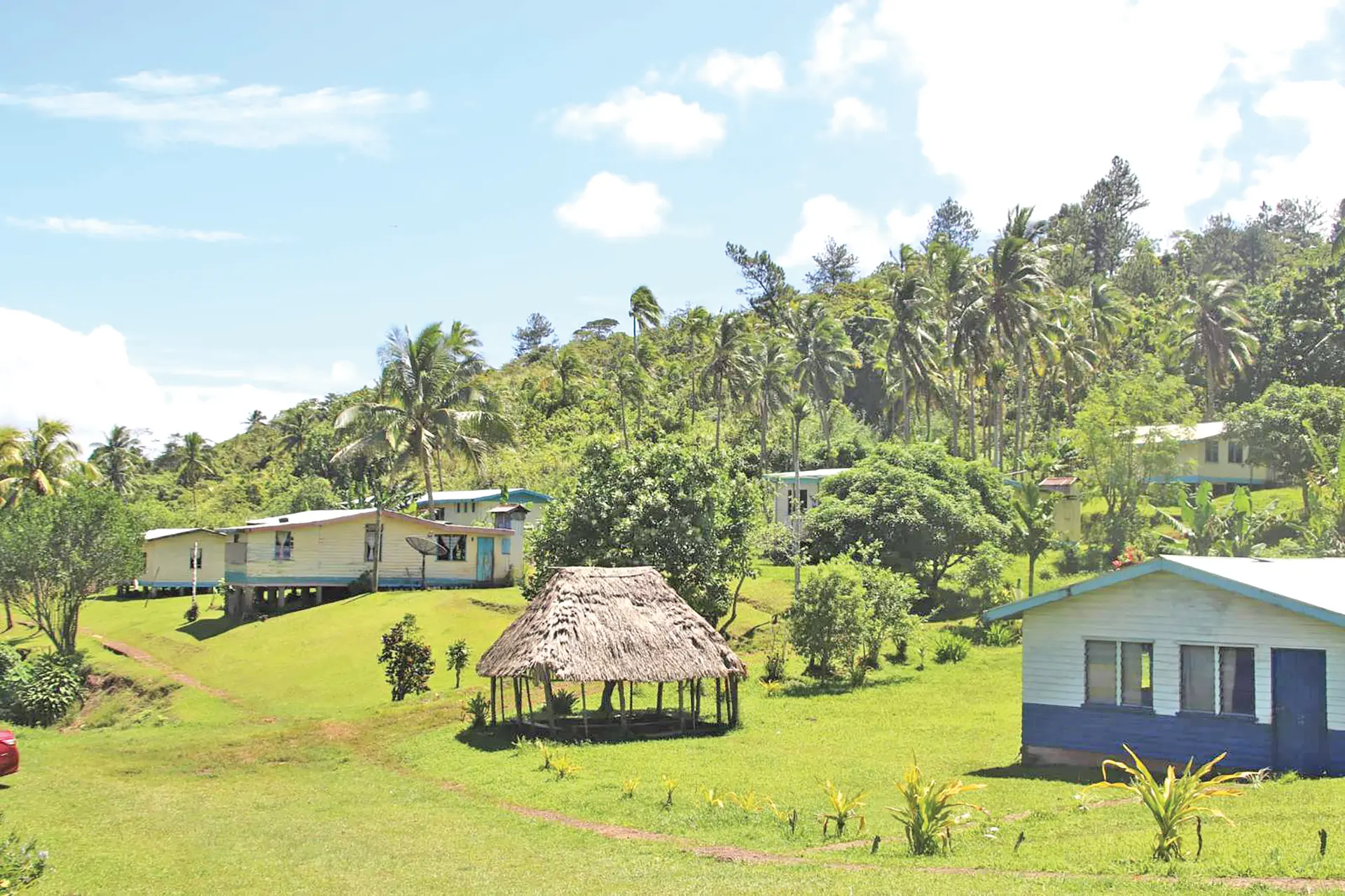
Naviavia Settlement, in the district of Wailevu West, around 54km from Savusavu Town, has been home to about 500 ethnic Solomon Islanders for the past 60 years.
The Anglican Diocese of Polynesia originally granted permission in 1929 and 1941 for Solomon Islander families to settle on these church lands, establishing the Naviavia community.
In the past 10 years, the population has declined to 256, although the number of houses has remained at 50.
More than a climate change battle
The people of Naviavia are living between a mountain and a surrounding river. For the past 10 years, the riverbank has been eroding due to rising sea levels.
Apart from the impact of climate change, the land surrounding the Naviavia community has also undergone a major change.
The 5500-acre Natoavatu Estate, a freehold property, was bought by the Kiribati Government in 2014 to relocate its people as a result of rising sea levels in Kiribati.
Under the new ownership arrangement, Naviavia villagers have been left living on a 300-acre plot in the centre of the land, while the church retains ownership of the settlement area.
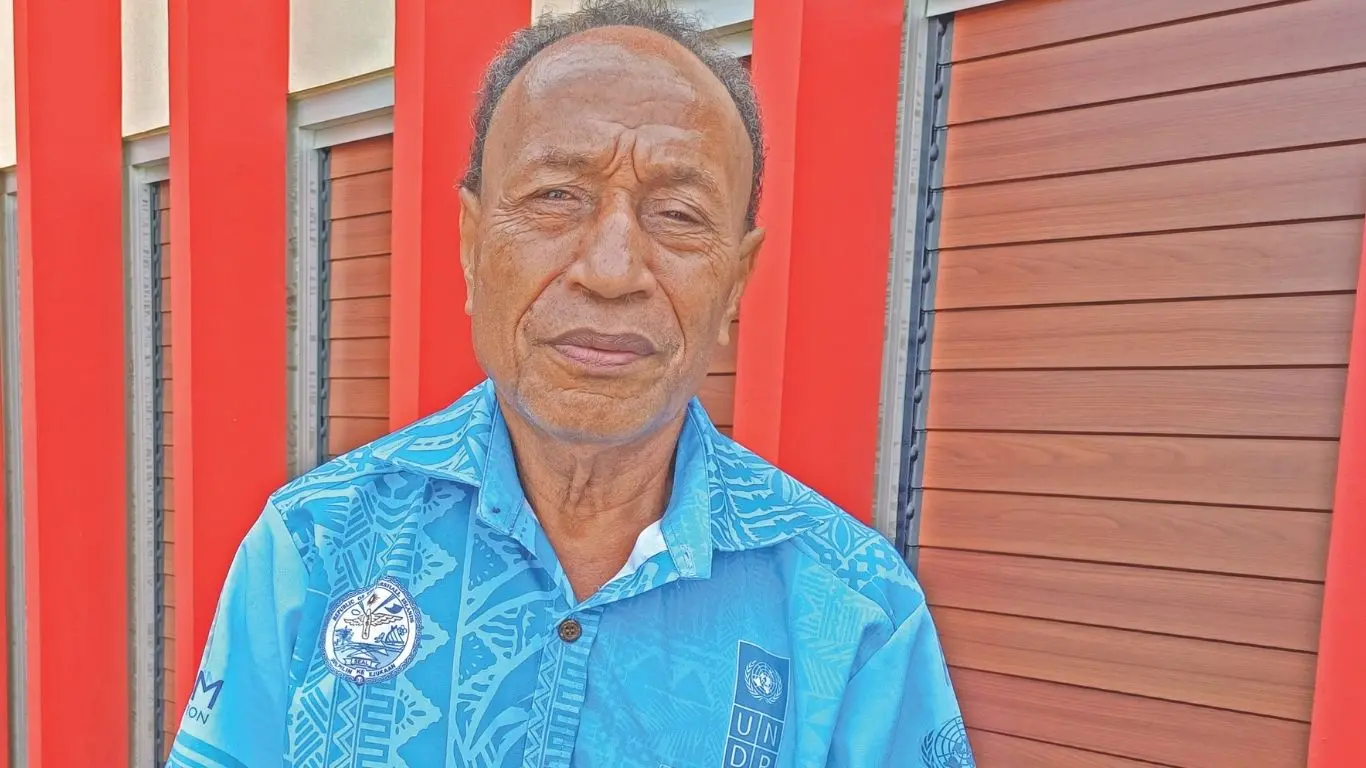
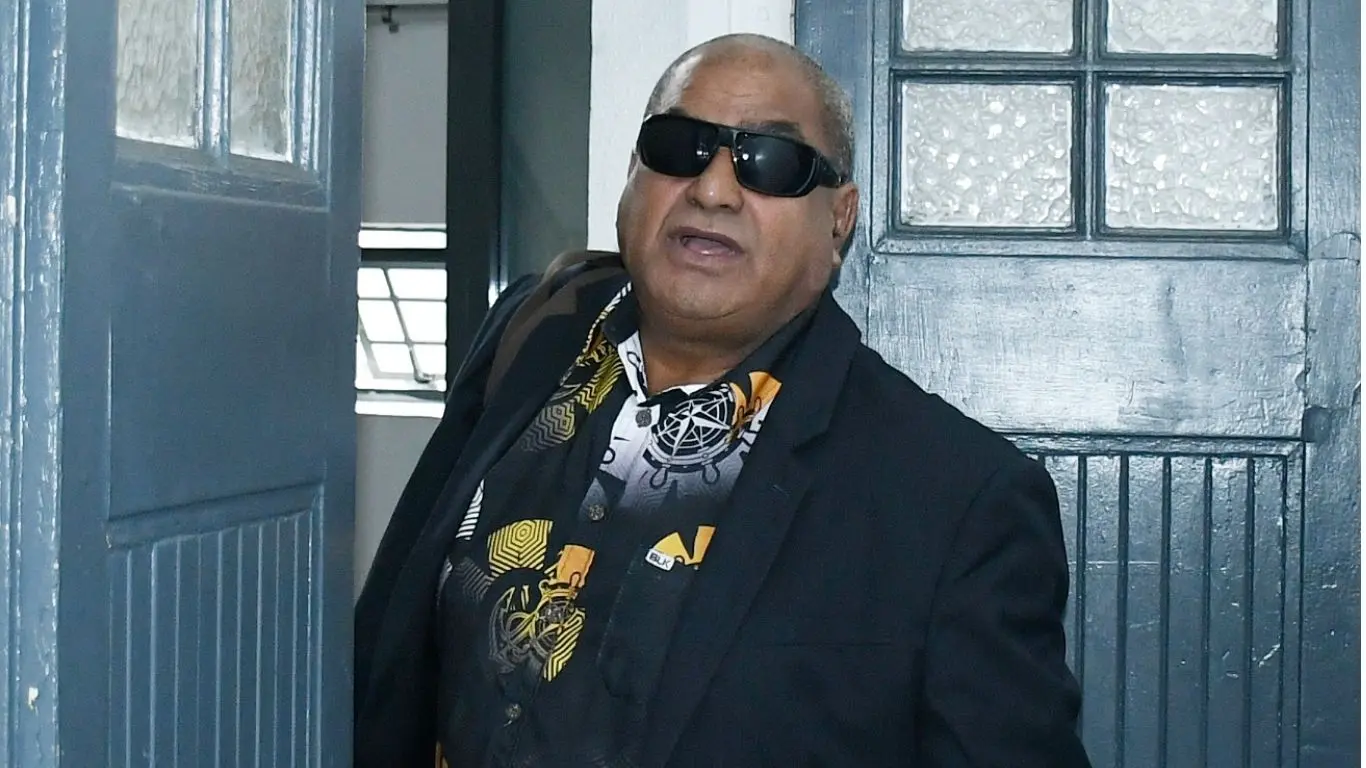
Naviavia Settlement headman Marika Sade.
Photo: Shratika Naidu
Naviavia Settlement headman Marika Sade said their biggest fear was the lack of documentation confirming their rights to the land where they lived.
Moreover, he said that now they were living alongside people from Kiribati on the same land area, they were more concerned about working together to address the social impacts on the community and the effects of climate change.
“I have reached out to many Non-Government Organisations and am happy with the support of NGO such as Transcend Oceania - Kiwa Pacific Circle Fiji project that is providing a positive opportunity for us to restore and safeguard our community from the rising impacts of climate change,” Mr Sade said.
“With the launch of Kiwa Pacific CIRCLE Fiji project this week, we will be using nature-based solutions to save our land.”
He said water was now entering the mainland and affecting their crops.
He said they previously harvested large dalo, but the size and supply had now decreased.
“Before we could catch fish near the settlement, but now we have to go further to find [fish], which is also very difficult,” he said.
“This has affected our food security, livelihood and income.”
He said this was one of the reasons many young people had left the settlement to work in towns and cities, returning only during holidays.
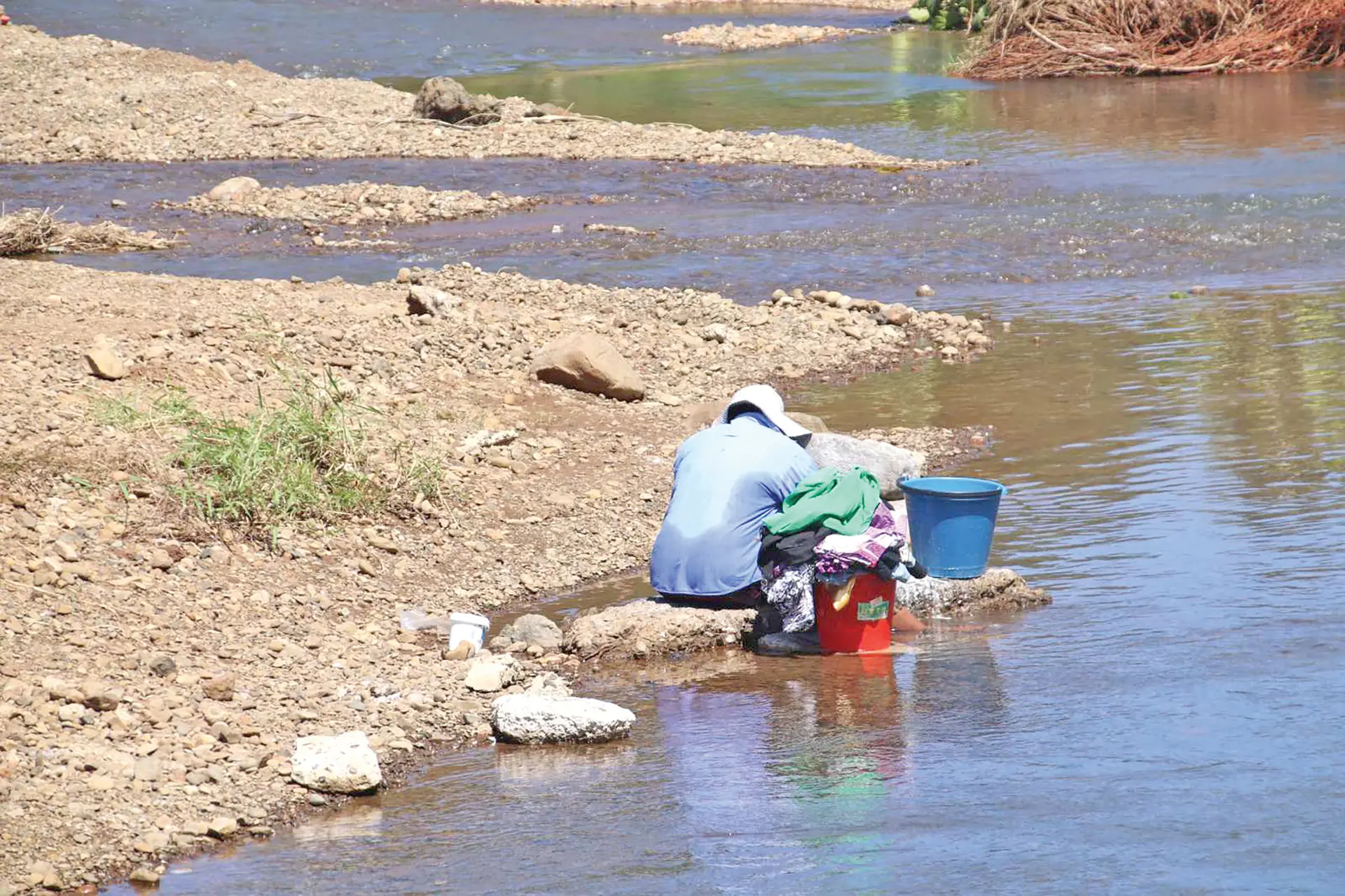
The river beside Naviavia Settlement.
Help is available before disaster
Kiwa Pacific CIRCLE Fiji project consultant coordinator and former executive director of Transcend Oceania Adi Vasulevu Levu said the key concerns raised remained the challenge of the realities and impacts of a changing environment and climate, the uncertainty surrounding land security, and the relocation of Kiribati people to the land surrounding the Naviavia community.
“To better protect the lives of people, women, children and people with disabilities, exposed to climate change, the riverbank erosion and flooding, engaging in Nature-based solutions and creative approaches to safeguard their lives and communities is vital,” Ms Levu said.
“Transcend Oceania and Fiji Disable Peoples Federation at Kiwa Pacific CIRCLE Fiji will engage with key partners and implement the project inclusive of a rigorous baseline across 10 up to 15 target communities, to inform the design, lead meaningful conversations for the deployment of effective Value-Based Solutions project, rebuild and restore the riverbank and ensure monitoring for sustainable results.”
She said the work had started with this week’s launch, reaffirmed by community consent, and soon they would be visiting communities to begin the practical arm of the project implementation, so villages and settlements such as Naviavia could be better prepared and protected from possible natural disasters such as flash floods, as they work on other security matters.
Pacific islands face greater vulnerability
ActionAid Australia Pacific CIRCLE programme lead Dr Kish Urs said everyone in the Pacific had experienced climate change personally.
“The Pacific is the most vulnerable community in the world and is suffering the most because climate change is real and continuing,” Mr Urs said.
“It is not fair for Fiji and the Pacific to suffer the most on this planet as it is not the main contributor to climate change.”
He said he hoped the Kiwa Pacific CIRCLE project would help people and communities affected by climate change become more resilient.
PUBLIC SERVICE BROADCAST: This content is produced with support from the Public Service Broadcast grant. Connecting Fijians with transparent, timely, and trusted information.