Military independence key to ending coup cycle, says civil servant
Levuka teacher proposes Supreme Defence Committee to shield RFMF from political interference.
Friday 30 October 2026 | 08:00
Updated 30 October 2026 | 14:29 FJT
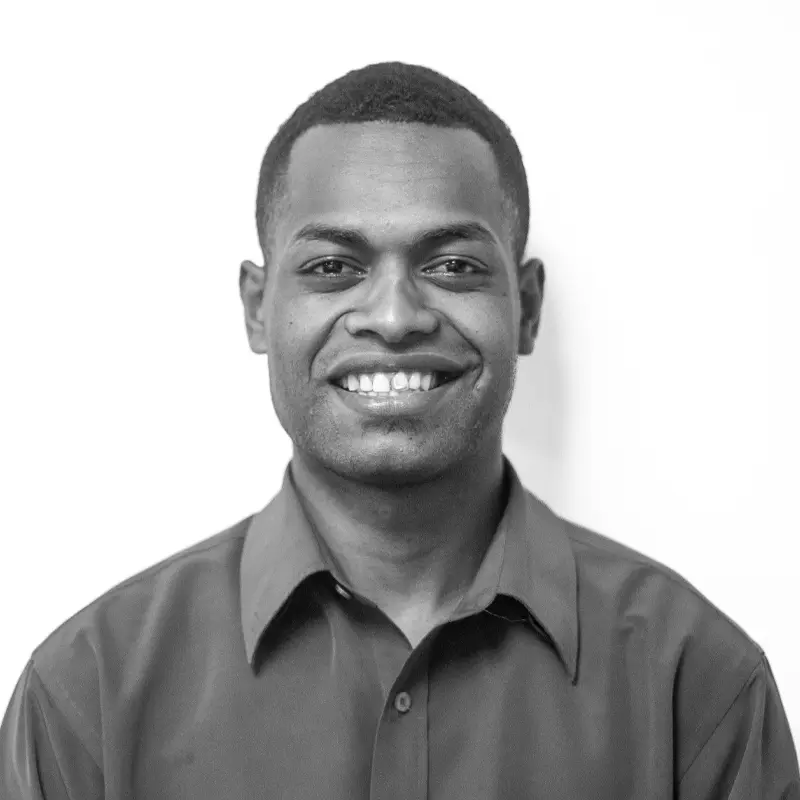

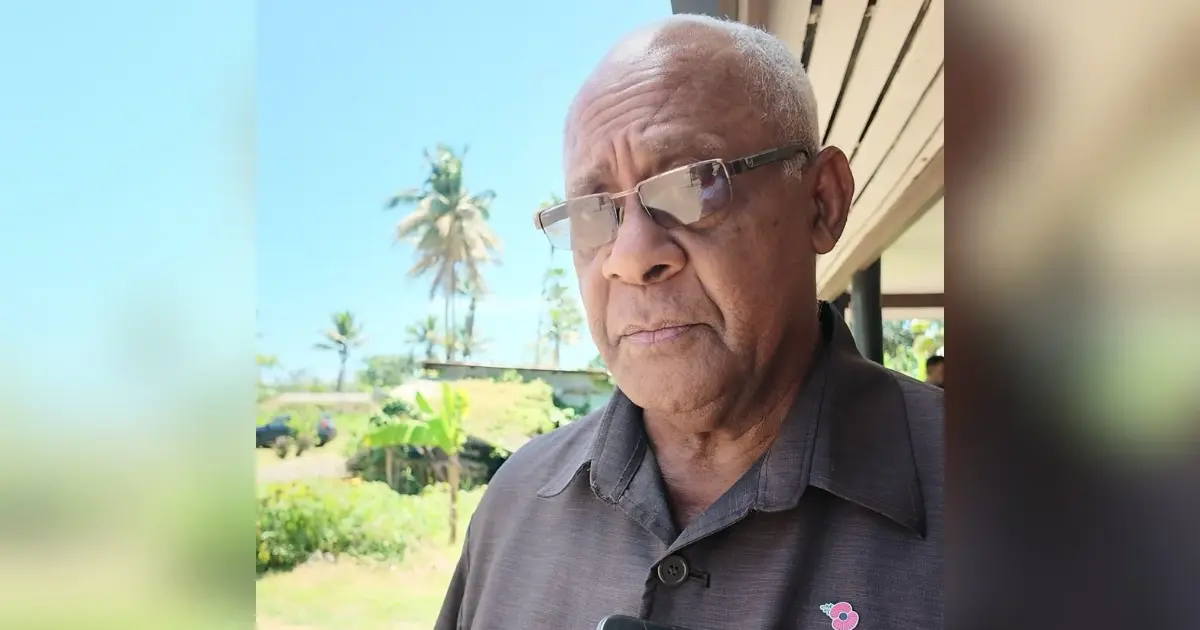
Fiji needs an independent defence committee to prevent political interference in the military and help break the country’s cycle of coups, Delana Methodist High School teacher Paula Kaloukocei told a public consultation on the Constitution (Amendment) Bill 2026.
Speaking at Levuka Town Hall on Wednesday, Mr Kaloukocei said Fiji’s history of coups showed the need for safeguards to ensure the Republic of Fiji Military Forces (RFMF) served the people rather than any political party, ethnic group or religious organisation.
“The military will be led by the people, not by any political party, or any ethnic group, or religious organisation,” he said.
Related stories
Mr Kaloukocei argued that Section 151 of the proposed constitutional amendments could place the military under greater government influence, raising concerns about its independence.
He said the military should not be placed in a position where its decisions could be influenced by the political interests of the government of the day.
His concerns come against the backdrop of Fiji’s history of coups, including the events of 2000, which he cited as an example of the military’s role in the country’s political crises.
“The issue is not simply who controls the military, but how that authority is exercised and what safeguards are in place to prevent political interference,” he said.
He proposed establishing an independent Supreme Defence Committee to provide oversight of decisions involving the military.
The proposed committee would include the President, the Prime Minister, the Chief Justice and representatives of the Great Council of Chiefs, bringing together the country’s political leadership, judiciary and traditional leadership.
Mr Kaloukocei said the committee’s role should be limited to determining whether the military needed to intervene in a public issue or conflict, rather than giving it broad powers over military operations.
“Such an arrangement could help prevent the military from becoming involved in public disputes where political interests or conflicts of interest were at stake,” he said.
Mr Kaloukocei’s submission placed the military’s independence and its role in Fiji’s democratic future at the centre of the debate. He called for a system that kept the force accountable to the people while limiting the risk of political interference.