Northen division water supply under strain
WAF projects that 12 of the Northern Region's 16 water sources could be critical by late November, increasing to 15 by January 2027.
Tuesday 03 November 2026 | 13:00
Updated 03 November 2026 | 14:08 FJT

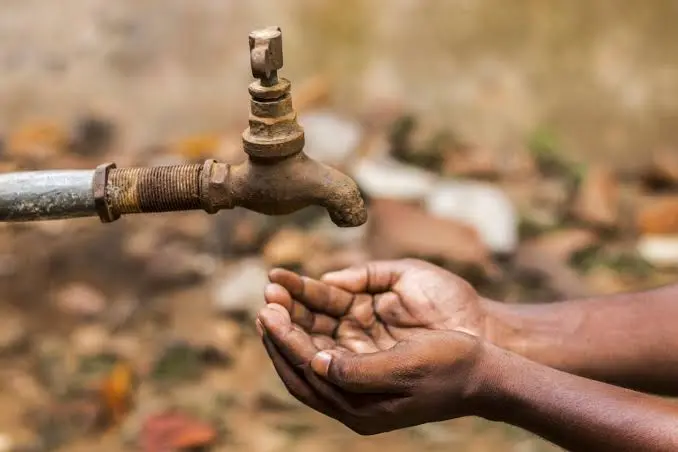
Mr Tuisawau said approximately 3,510 people in the Northern Region were experiencing intermittent water supply or relying on water carting.
The Northern Region is facing a 32.3 per cent water production shortfall as the worsening El Niño drought places increasing pressure on supplies in Labasa, Taveuni and surrounding communities.
Minister for Public Works, Transport and Meteorological Services Filipe Tuisawau revealed in Parliament today that the region was producing only 19.90 million litres of water a day against a requirement of 29.40 million litres.
Seven of its 16 monitored water sources had reached critical levels as of November 1, while another five were approaching critical.
Related stories
Ten of the region's 11 water treatment systems were no longer operating at normal levels.
"The Northern Region is in a serious position. Seven of its 16 sources are Critical and five more are Approaching Critical. Ten of its 11 treatment systems are not at Normal. Production is 19.90 million litres a day against a requirement of 29.40 million litres a day, a shortfall of 32.3 per cent."
Mr Tuisawau said approximately 3,510 people in the Northern Region were experiencing intermittent water supply or relying on water carting.
Of those, 2,075 were in the Labasa and Benau supply area, 1,250 in Taganikula and Vunika, and 185 in southern Taveuni.
The situation is particularly serious in Taveuni, where the Bucalevu water source has effectively failed.
The island is experiencing an overall water production shortfall of approximately 66 per cent.
Meanwhile, the Taganikula source has fallen to just eight per cent of its normal flow.
In Labasa, the town's water supply is becoming increasingly dependent on the Nasealevu source.
Mr Tuisawau said Navau and Nasarava, which normally provide approximately 75 per cent of Labasa's raw water, were declining.
Nasealevu's own output had fallen from 11.66 million litres a day to 8.31 million litres a day over the preceding week.
The minister said Labasa's population of 59,145 was becoming increasingly reliant on that source as the drought continued.
The Northern Region has now entered the Crisis Response category under the national drought assessment system, recording a score of 77.78 per cent.
The Water Authority of Fiji has requested national coordination and response measures for the region.
Water trucks are already serving rural communities in Labasa, Seaqaqa, Nabouwalu, Savusavu and Taveuni, as well as areas experiencing intermittent supply.
The minister said schools, health facilities, elderly residents, people with disabilities, women and children would receive priority during water deliveries.
Further deterioration is expected if rainfall remains low.
According to the Water Authority's projections, 12 of the Northern Region's 16 water sources could be critical by late November, increasing to 15 by January 2027.
The projected deterioration would leave Natua in Seaqaqa as the region's only water source classified as normal by January.
Government has urged communities to conserve available water while emergency supply operations continue.