Usamate questions drought preparedness as crisis deepens
Mr Usamate said about 47 per cent of the country's water was lost through leakage, making repairs and better management essential as supplies came under pressure.
Wednesday 04 November 2026 | 08:00

Changes in sea levels and ocean temperatures associated with El Niño could affect reefs, fisheries, maritime transport and communities that depend on the ocean for food and livelihoods.
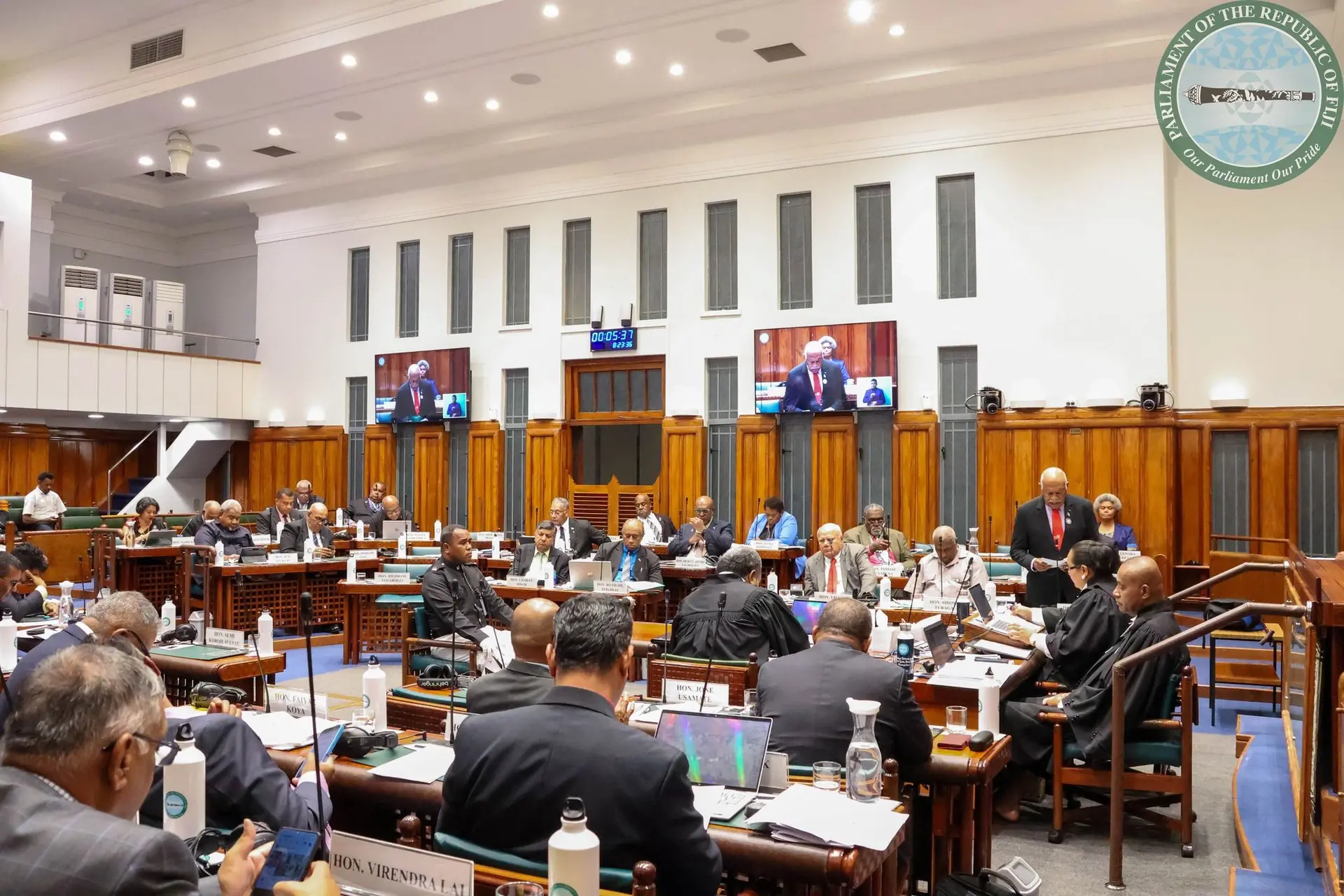
Opposition MP Jone Usamate has questioned whether the Government did enough to prepare for the El Niño-driven drought, saying Fiji had advance warning of the looming water crisis.
Speaking in Parliament following an update on El Niño and the national water situation by Minister for Public Works Ro Filipe Tuisawau, Mr Usamate warned that the drought's effects could extend well into 2027, particularly for the agriculture sector.
He said the Opposition had raised concerns about the potential impact on water supplies during budget discussions and proposed additional funding to strengthen the country's preparedness.
Related stories
“This was going to happen, we knew it in advance,” he said.
While acknowledging the contingency measures outlined by Mr Tuisawau, Mr Usamate warned that Fiji's ageing water infrastructure remained vulnerable as supplies came under increasing pressure.
He claimed that about 47 per cent of the country's water was lost through leakage, highlighting the need for urgent repairs and improved management.
“The leak is not something that you can have a problem with.”
Mr Usamate also recalled the 2015 drought, when funding allocated for water carting was exhausted within the first few months, leaving about 60,000 people affected.
He warned that the Government needed sufficient resources to sustain emergency water assistance if the current drought continued.
“I don't think this message has gone strongly out of the country so far.”
Mr Usamate also suggested exploring mobile solar-powered desalination plants as an alternative water supply, particularly for maritime communities where transporting water by boat added to fuel costs.
His concerns centred on whether Fiji had adequately prepared for a foreseeable drought and whether the country's water infrastructure and emergency funding could withstand prolonged shortages.