Marieta Rigamoto: The woman who refused to back down
"I told them I had come to inform them of my decision. If they didn't accept it, I would still stand."
Sunday 09 August 2026 | 12:00
Updated 09 August 2026 | 16:49 FJT
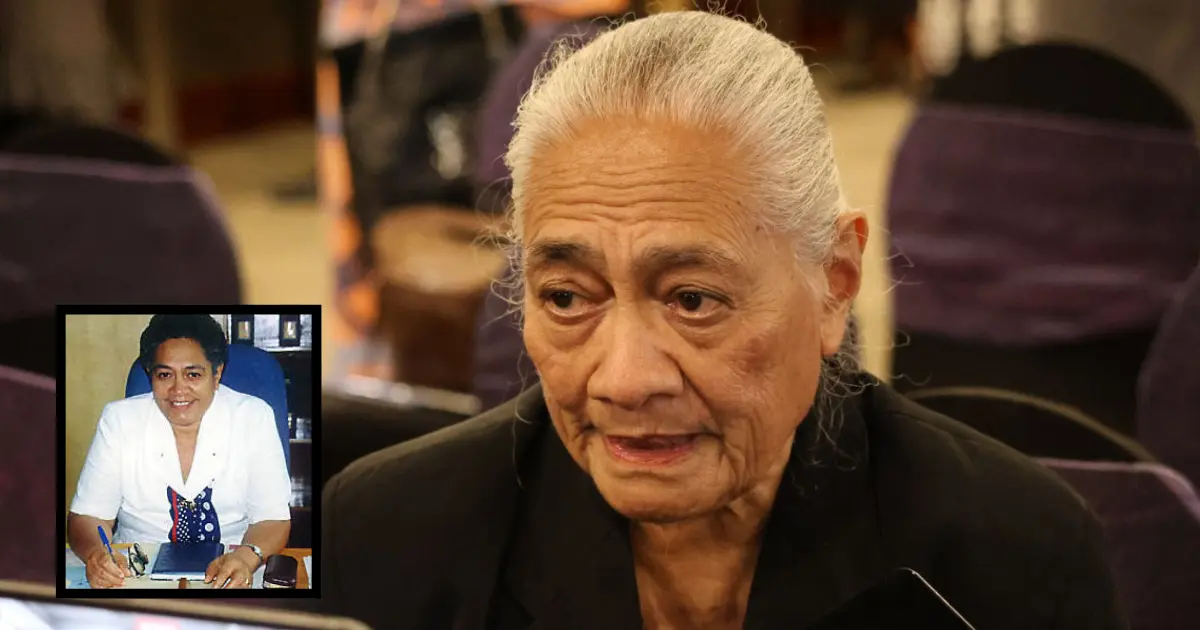
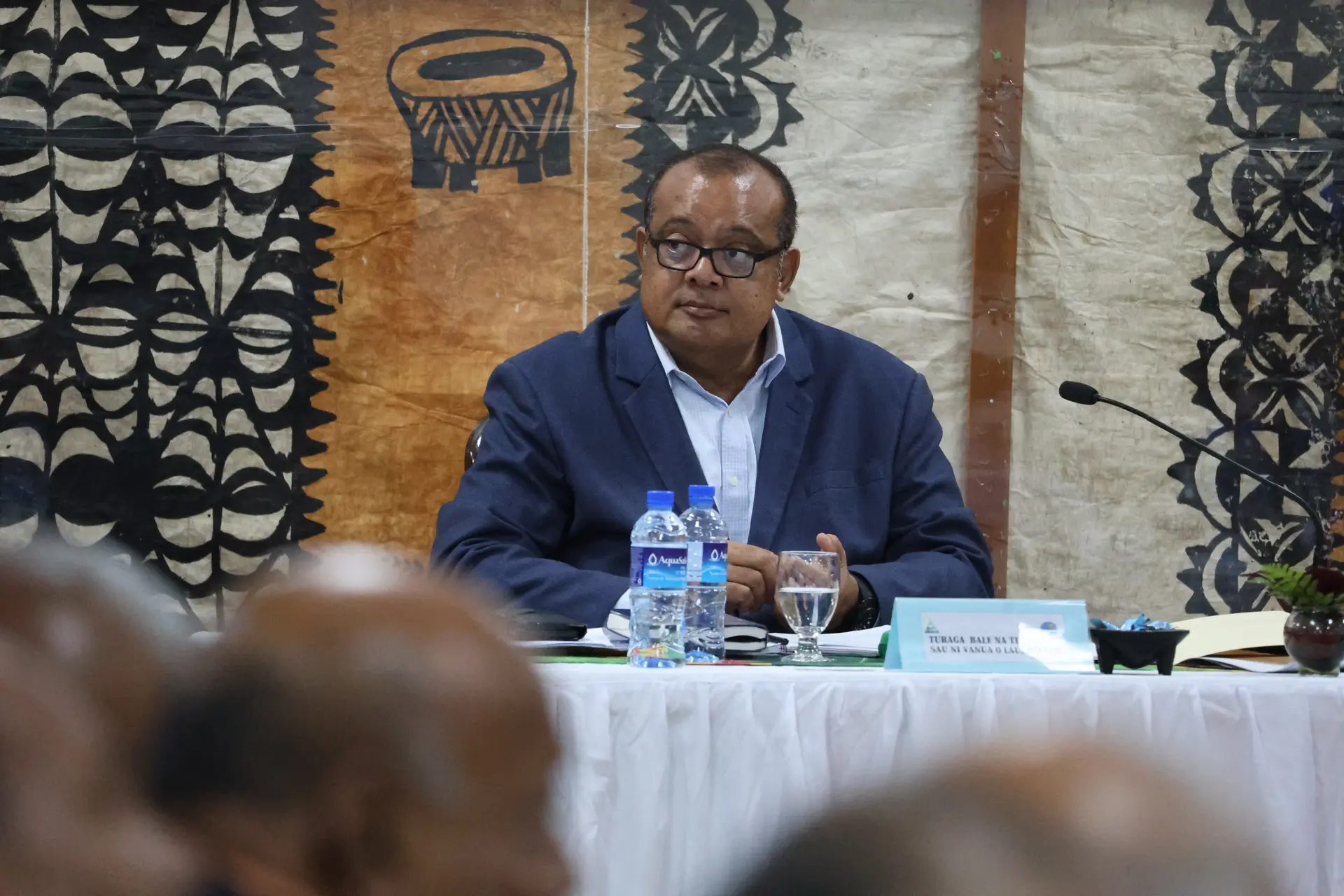
Marieta Rigamoto, now 84, looks back at her political journey. (Inset: Mrs Rigamoto in 1999 when she was Assistant Minister for Agriculture.)
At 84, Marieta Rigamoto still remembers the day she stood before the Council of Rotuma and told them she was running for Parliament.
She knew she was breaking tradition.
"As a Rotuman woman, we didn't participate in things like that. They gave me a good telling off," she said.
Related stories
But she refused to back down.
"I told them I had come to inform them of my decision. If they didn't accept it, I would still stand."
That determination made history.
Her story began
In the 1999 General Election, Ms Rigamoto made history when she won the Rotuma Communal seat as an independent candidate, proving conviction could overcome convention.
More than 25 years later, she returned to the political spotlight for the launch of the Commonwealth Women in Parliament Fiji Group book.
The event brought back memories of stepping into leadership during one of the most turbulent periods in Fiji's political history.
"I was excited, but I also had mixed feelings," she said.
"It brought back happy and painful memories. I'm glad these stories have been documented because if we don't record them, they will be lost."
Painful memories
Among those memories was the 2000 coup, during which Ms Rigamoto was one of the women held hostage in Parliament for 39 days.
Today, only she and former Cabinet minister Adi Koila Nailatikau remain from that group.
"I was happy to see Adi Koila because it's only the two of us left now. Lavenia Padarath and Bulou Akanisi Koroitamana have passed away."
Early days
Politics was never part of her plan.
After retiring from the civil service, Ms Rigamoto was approached by political parties to contest the election.
She initially declined before discussing the opportunity with her family. She later made the life-changing decision to stand as an independent candidate.
"If I could contribute, then I should serve," she said.
Winning the election, she said, was only the beginning.
The next step
After the coup, she was invited by the late Laisenia Qarase to serve in the interim government.
She retained her seat in the 2001 General Election before joining Mr Qarase's Government as Assistant Minister in the Prime Minister's Office.
Looking back, she says representing Rotuma remains one of her proudest achievements.
As an agriculturalist, she said food security was one of the country's most important issues and remains a national priority.
"If we are self-sufficient, then we can help others. We can't help if we cannot feed ourselves first."
A legacy for the next generation
Today, she hopes more women will enter politics despite the challenges.
"If you want to serve, then go for it, but be prepared because once you decide to stand, there's no turning back."
Those words come from a woman who challenged tradition, survived one of Fiji's darkest chapters and helped pave the way for the women who followed.