Drought relief must reach most vulnerable: Rights Commission
The Commission warned that overlooking human rights during disasters could worsen existing hardship, deepen discrimination and increase grievances among affected communities.
Friday 20 November 2026 | 12:00

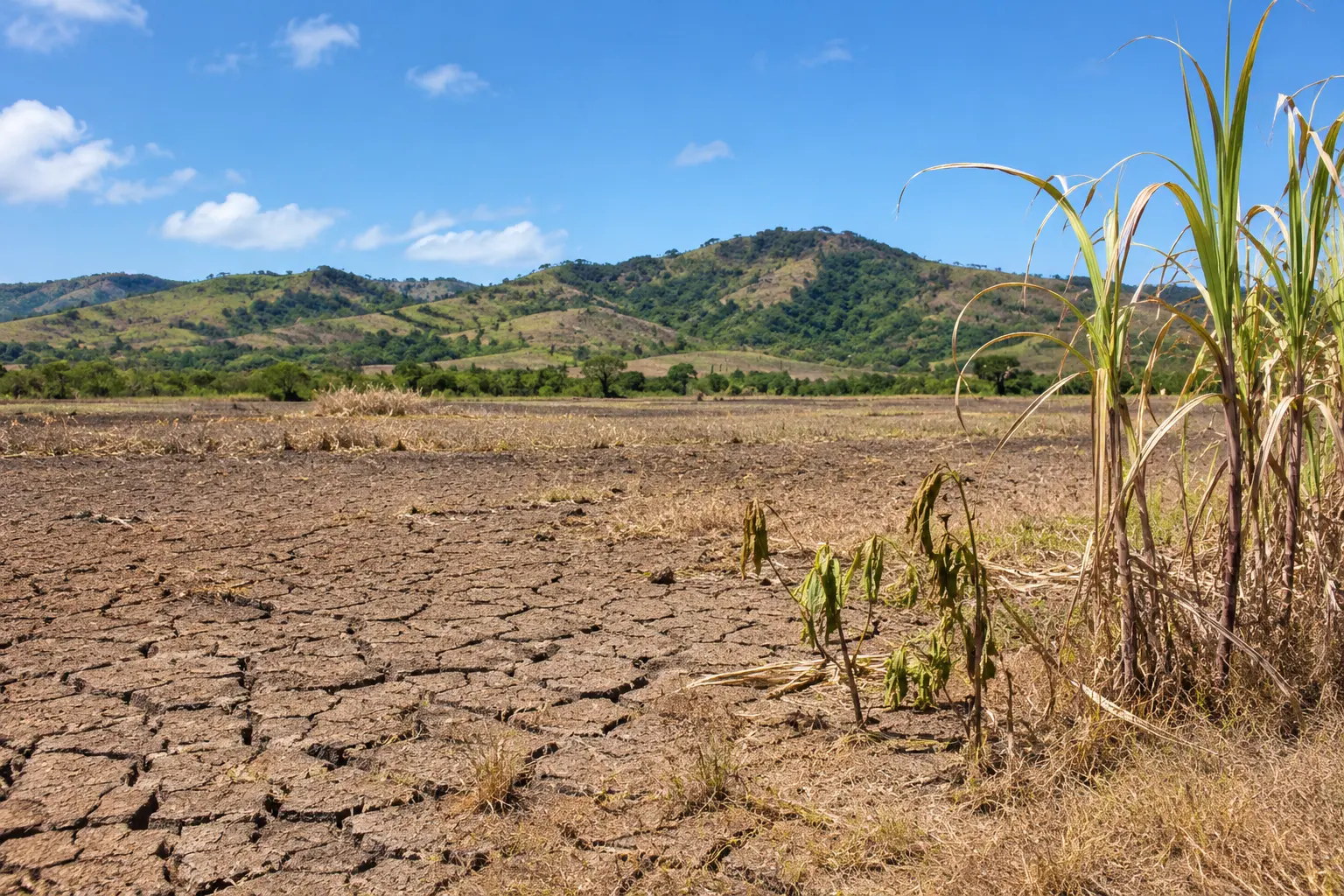
Mr Rabuka said more than two million litres of emergency water had been delivered to affected maritime communities over the past month. The Water Authority of Fiji had also supplied emergency water to affected mainland communities.
Fiji's Human Rights and Anti-Discrimination Commission has warned that vulnerable families and communities must not be left behind as the Government responds to the worsening El Niño drought.
The Commission says access to safe drinking water, food, sanitation and healthcare must remain a priority, particularly for those already struggling with poverty and limited access to essential services.
Commissioner Veena Singh said the Government's declaration of a State of Natural Disaster and its humanitarian response were important steps towards protecting affected communities.
Related stories
However, she stressed that protecting human rights must remain central to every stage of the emergency response.
The Commission warned that overlooking human rights during disasters could worsen existing hardship, deepen discrimination and increase grievances among affected communities.
It called for humanitarian assistance to be delivered fairly, promptly and transparently, with particular attention to people facing greater risks.
These include children, older people, pregnant women, people with disabilities, those living with chronic illnesses, low-income families and residents of rural, remote and maritime communities.
Ms Singh said access to safe drinking water, adequate food, sanitation, healthcare and menstrual hygiene was not simply a matter of emergency relief but a fundamental human rights concern.
The Commission also highlighted the additional challenges faced by women and girls during disasters.
It called for continued access to sexual and reproductive healthcare, menstrual hygiene products and protection from gender-based violence.
The Commission said emergency planning must recognise the increased unpaid care responsibilities that often fall on women during periods of crisis.
For people with disabilities, it stressed that emergency information, evacuation arrangements, water distribution and essential services must be accessible.
It also called for people with disabilities and their representative organisations to be included in decisions affecting the humanitarian response.
The Commission raised particular concern about water supplies at hospitals and rural health centres, stressing that these must not remain compromised.
Beyond the immediate need for drinking water, the prolonged drought threatens farming, livestock, household food supplies and family incomes.
For rural households dependent on subsistence farming, the loss of livestock could also mean losing a primary source of income and financial security.
The Commission warned that families already living in poverty could face greater hardship as water shortages disrupt their livelihoods.
It said affected communities must be able to raise concerns, identify unmet needs and participate in decisions about the assistance they receive.
Accessible complaints and feedback systems were also needed to ensure accountability.
The Commission pointed to constitutional protections covering adequate food and water, housing and sanitation, health, equality and freedom from discrimination, and the rights of people with disabilities.
It also urged authorities to provide clear and timely information about water distribution, health risks, emergency services and available assistance.
Such information must be communicated in languages and formats that affected communities can understand, including accessible formats for people with disabilities.
The Commission linked Fiji's drought emergency to wider concerns about climate justice as world leaders negotiate climate commitments at COP31.
It said communities with the fewest resources and the least capacity to recover often experience the greatest effects of climate-related disasters.
The Commission called for climate commitments to be translated into practical measures that protect lives, livelihoods and human dignity.
It said it would continue monitoring the humanitarian response and the State's compliance with its human rights obligations.