FCCC receives more than 1,000 scam complaints since 2019
The FCCC urges consumers to verify suspicious offers, preserve screenshots and report suspected scams to the appropriate authorities.
Sunday 18 October 2026 | 06:00
Updated 18 October 2026 | 08:00 FJT

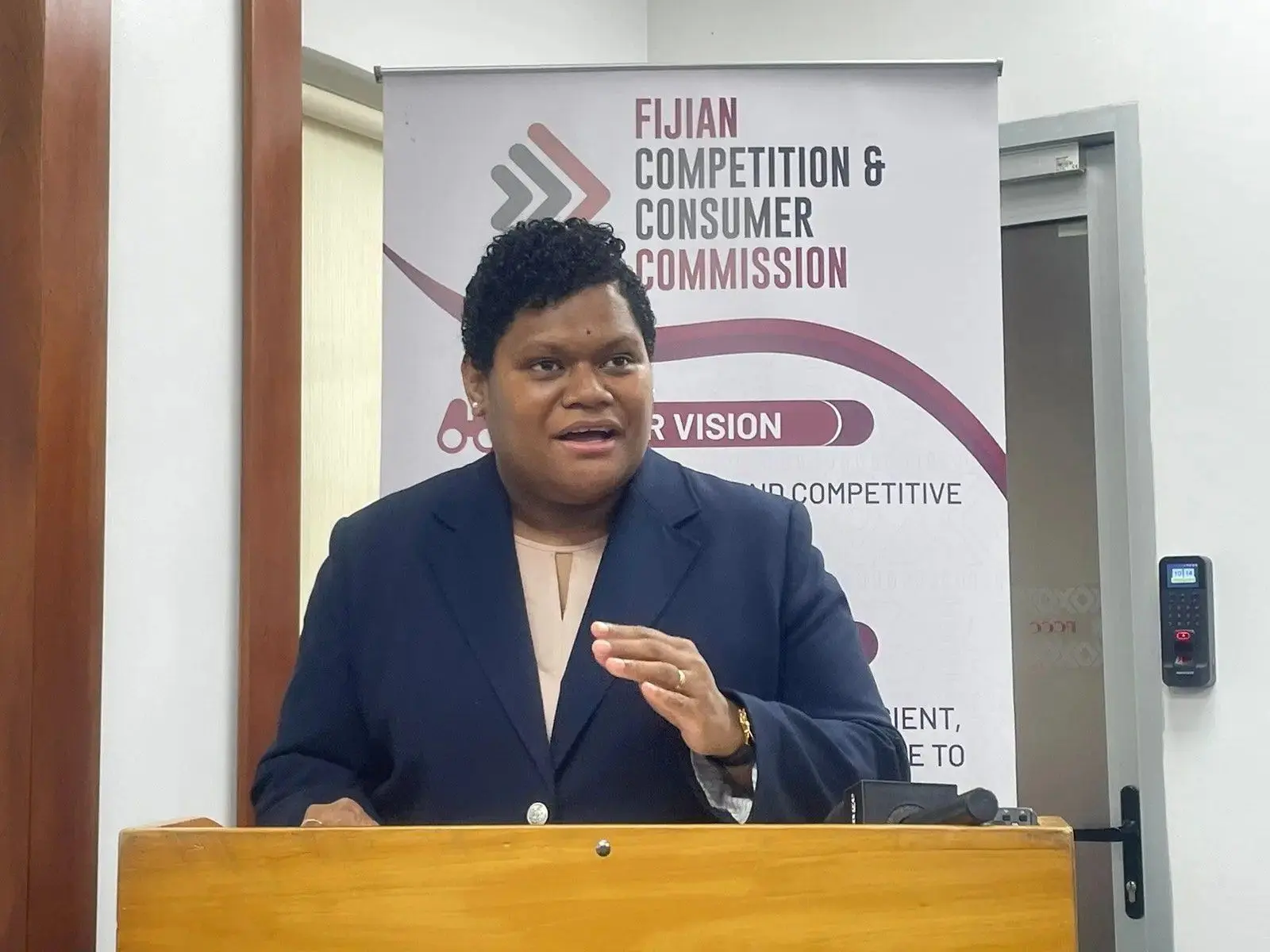
More than 1,000 complaints about scams have been received by the Fijian Competition and Consumer Commission (FCCC) since 2019.
The commission also has difficulties in tracing digital evidence continuing to challenge investigations and prosecutions.
FCCC chief executive officer Senikavika Jiuta said many complaints involved scams promoted through social media platforms, including Facebook and Instagram. Fraudulent investment offers and promises of guaranteed profits were among the methods used to deceive consumers.
Related stories
Ms Jiuta said the commission’s powers were limited to matters involving trade or commerce. This meant it could investigate transactions between individuals and registered businesses but not private transactions between individuals.
“For person-to-person or people-to-people transactions, unfortunately, we do not have the powers to investigate those matters, but we try our best to receive all those complaints and then we refer it to the police department or Criminal Investigation Department (CID),” she said.
One of the major cases was the 2023 eBay shop issue, which attracted 1,700 complainants and resulted in reported losses of about $3.6 million.
Ms Jiuta said digital evidence and tracing remained major challenges for authorities investigating scams.
“Not all of them went to court. Not all of them were prosecuted because it comes down to digital evidence,” she said.
She warned that scammers were using increasingly sophisticated methods, including artificial intelligence (AI) to create convincing fake images, videos and identities to promote fraudulent investment opportunities.
Scammers often promised guaranteed profits and directed victims to fake platforms, sometimes without ever meeting them face-to-face.
Ms Jiuta urged consumers to verify suspicious offers before making payments, particularly when deals appeared too good to be true.
“Take the time to just pause and look at it, whether it’s AI or whether you think it’s true,” she said.
She advised consumers to contact their banks, the Consumer Council of Fiji or the FCCC to verify suspicious offers and report suspected scams.
Ms Jiuta also encouraged victims to preserve screenshots of online advertisements and transactions, including dates and times, to help provide evidence for investigations and possible court proceedings.
“Please keep evidence,” she said. “When you do those transactions, as you see it online, please take it for a screenshot and keep it.”
The commission has taken steps to strengthen its response to scams, including reviewing fraud and scam laws in 2024. Amendments to its legislation were passed by Cabinet in 2026, with assistance from the Asian Development Bank.
The FCCC has also joined regional and international consumer protection networks to exchange information and strengthen cooperation in addressing scams.
Ms Jiuta said regulatory agencies, consumer protection bodies and relevant government ministries needed to work together to identify scams, share information and take enforcement action.
She warned that reported figures might not reflect the full scale of the problem because some victims did not report their losses.
“Do report it and report it to the right organisations,” she said.