Forced marriages of young girls could constitute human trafficking, FCOSS warns
Community reports reveal concerns over early unions, drug-linked exploitation and child vulnerability.
Friday 20 November 2026 | 13:30
Updated 20 November 2026 | 14:50 FJT
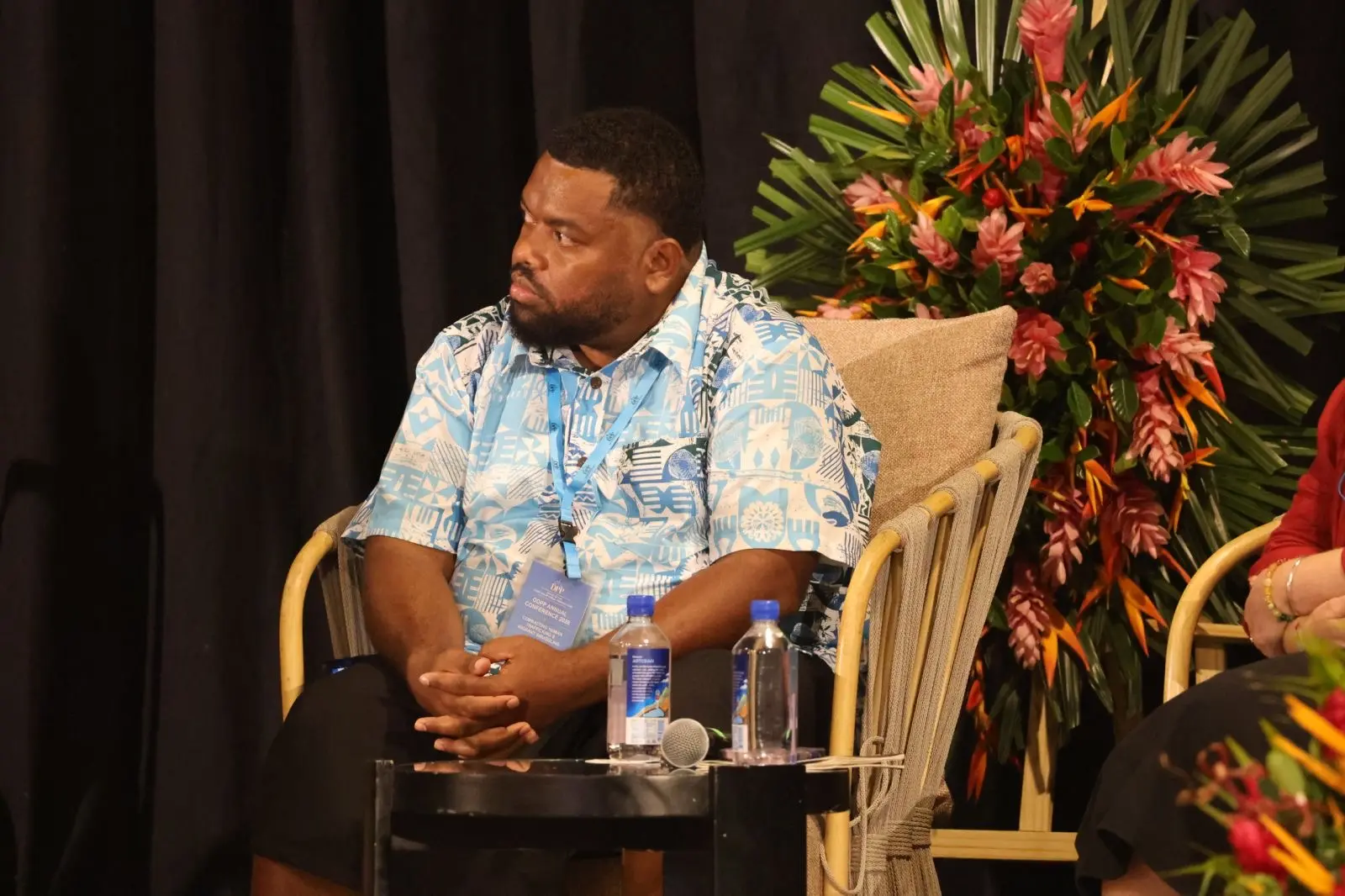
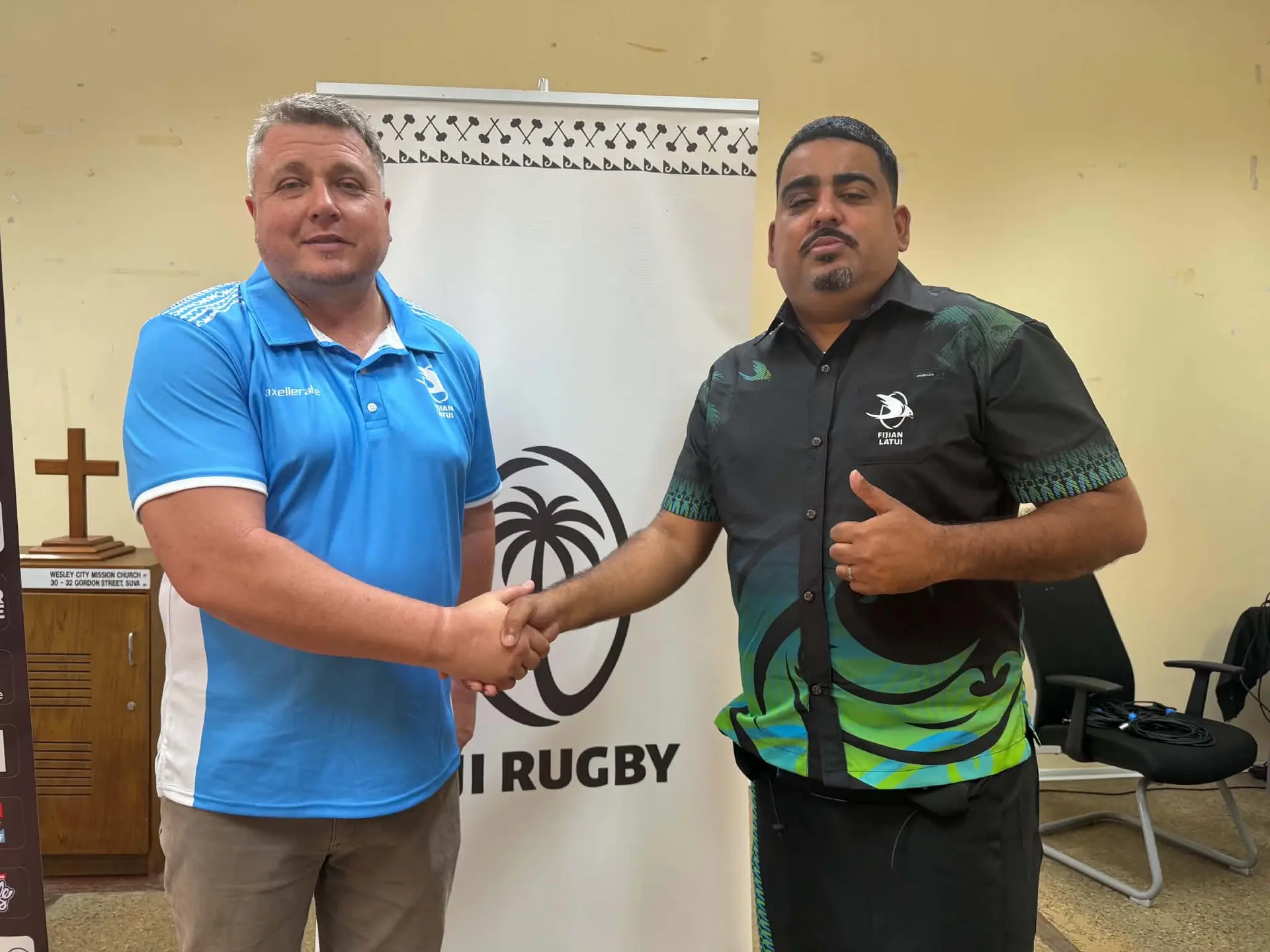
Fiji Council of Social Services programme manager Josaia Tokoni at the ODPP conference in Shangri-La Yanuca Islands, Fiji, Sigatoka on November 20 , 2026.
The Fiji Council of Social Services (FCOSS) has raised concerns about young girls being forced or pressured into marriage, warning that such practices can border on exploitation and human trafficking.
FCOSS programme manager Josaia Tokoni said girls were often pressured with gifts and money, sometimes by older men who held positions of power over them.
Mr Tokoni said reports from community leaders highlighted alarming cases of elopement that were increasingly normalised or accepted as tradition.
Related stories
Speaking about FCOSS's work in informal settlements in the Lami area, Mr Tokoni said community findings supported concerns raised in Fiji’s 2026 Trafficking in Persons Report.
He said the organisation found that during the COVID-19 period, girls in Kalekana exchanged sexual favours with elders in return for phone credit.
Other findings included girls from the area being procured for drug-related “weekends” in Nadi and Denarau. Women also reported believing that rogue officers tipped off drug dealers, allowing the illegal activity to continue.
Mr Tokoni also highlighted concerning findings from FCOSS offices around Fiji, including the exploitation of children around hotels, taxis and massage parlours. Some cases involved crews of foreign fishing vessels while their vessels were in port.
In the Northern Division, Mr Tokoni said reports indicated early unions in rural villages and children being kept out of school.
In the Suva-Nausori corridor, there were reports of drug-linked exploitation in informal settlements. In the Eastern maritime islands, children sent to live with relatives to attend school were at risk of domestic servitude.
Mr Tokoni called for stronger partnerships and collaboration among civil society organisations, key stakeholders and law enforcement agencies.
Ministry of Women and Children acting permanent secretary Selina Kuruleca said the ministry worked closely with civil society organisations to handle such cases.
She said once a report was lodged with police, the priority was to support the victim.
Mr Tokoni was speaking at the Office of the Director of Public Prosecutions’ annual conference on trafficking and migrant smuggling today.