Lau rescues expose gaps in Fiji's search and rescue response
Funding and fuel also remain challenges for the Navy, particularly when emergencies occur towards the end of a financial year.
Sunday 16 August 2026 | 08:00

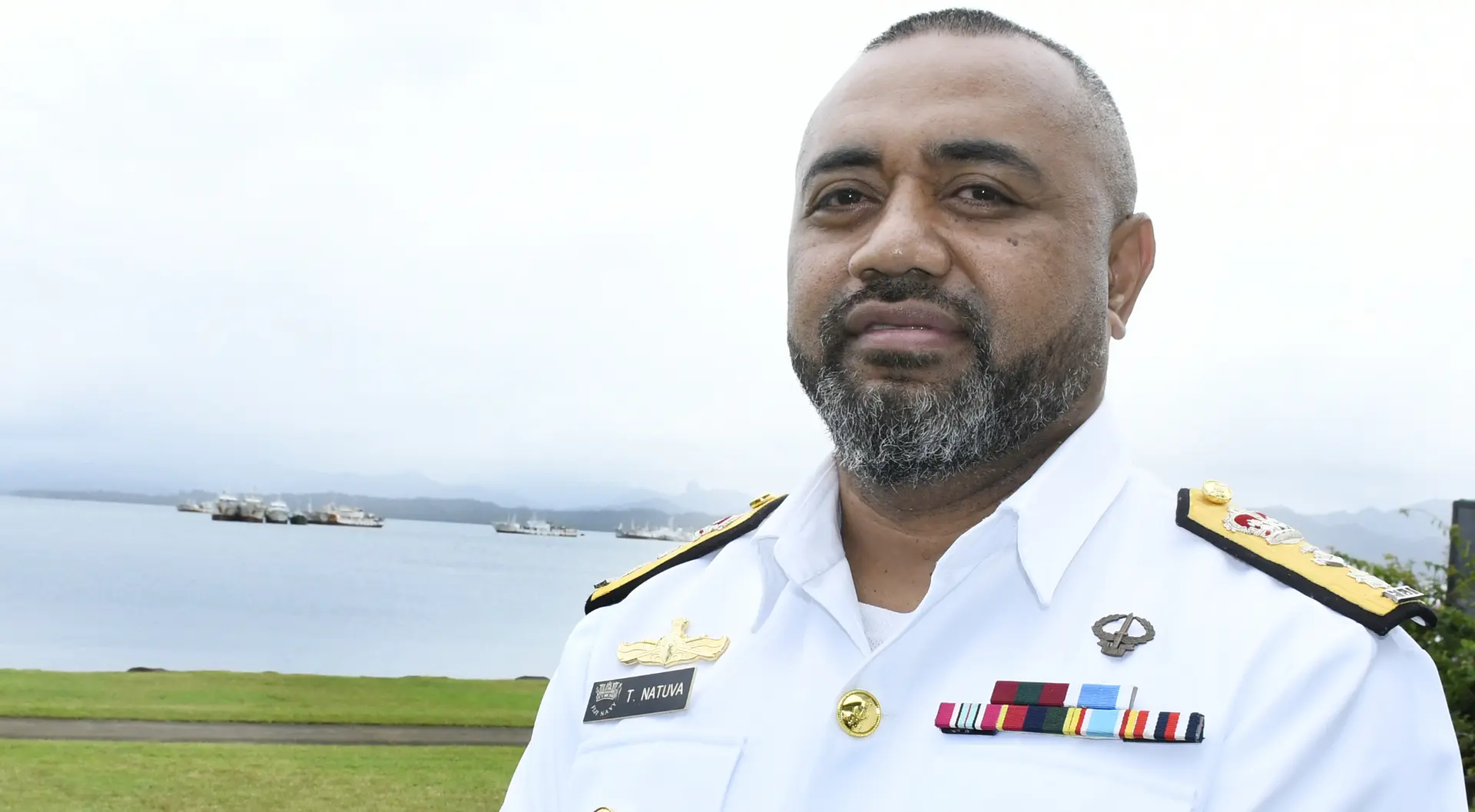
Two recent sea emergencies in Lau have exposed weaknesses in Fiji's search and rescue response, with Navy Commander Commodore Timoci Natuva acknowledging gaps in communication, prevention and operational resources.
Both groups involved in the separate incidents were rescued alive, but Commodore Natuva said the emergencies had provided important lessons for the Republic of Fiji Military Forces Naval Division and other agencies responsible for maritime safety.
One of the key concerns identified was communication.
Related stories
Commodore Natuva acknowledged that communication within the forces remained a challenge, particularly in ensuring accurate information reached the right people quickly during an emergency.
This included establishing what had happened, where assistance was required and who needed to receive the distress information.
Prevention needs greater focus
Reflecting on the two incidents in Lau waters, Commodore Natuva said Fiji's approach could not focus solely on responding after people were already in distress.
"We are at the back end in terms of responding to an incident," he said.
He acknowledged that more needed to be done to prevent emergencies, including strengthening awareness in island communities, checking weather conditions and ensuring vessels were properly prepared before heading to sea.
Funding and fuel also remain challenges for the Navy, particularly when emergencies occur towards the end of a financial year.
"We thanked Australia, which has been supporting the Navy with fuel, and that has helped sustain recent operations," he said.
Navy struggling to retain personnel
Commodore Natuva also identified the retention of trained personnel as one of the Navy's biggest challenges.
He said recruiting personnel was easier than retaining them and highlighted the need for better pay, allowances and welfare to keep skilled personnel in the force.
Meanwhile, Defence Minister Pio Tikoduadua acknowledged that search and rescue operations were costly.
"Therefore, people, please be vigilant while moving out at sea," Mr Tikoduadua said.
The two successful Lau rescues have reinforced the need for faster responses, better communication and stronger preventive measures to reduce the risk of emergencies at sea.