Macuata-i-Wai villagers face month-long water shortage
Village headwoman Laisana Baleiniqalau Tokaduadua said villagers were sourcing water from Naduri on the mainland.
Tuesday 06 October 2026 | 07:00

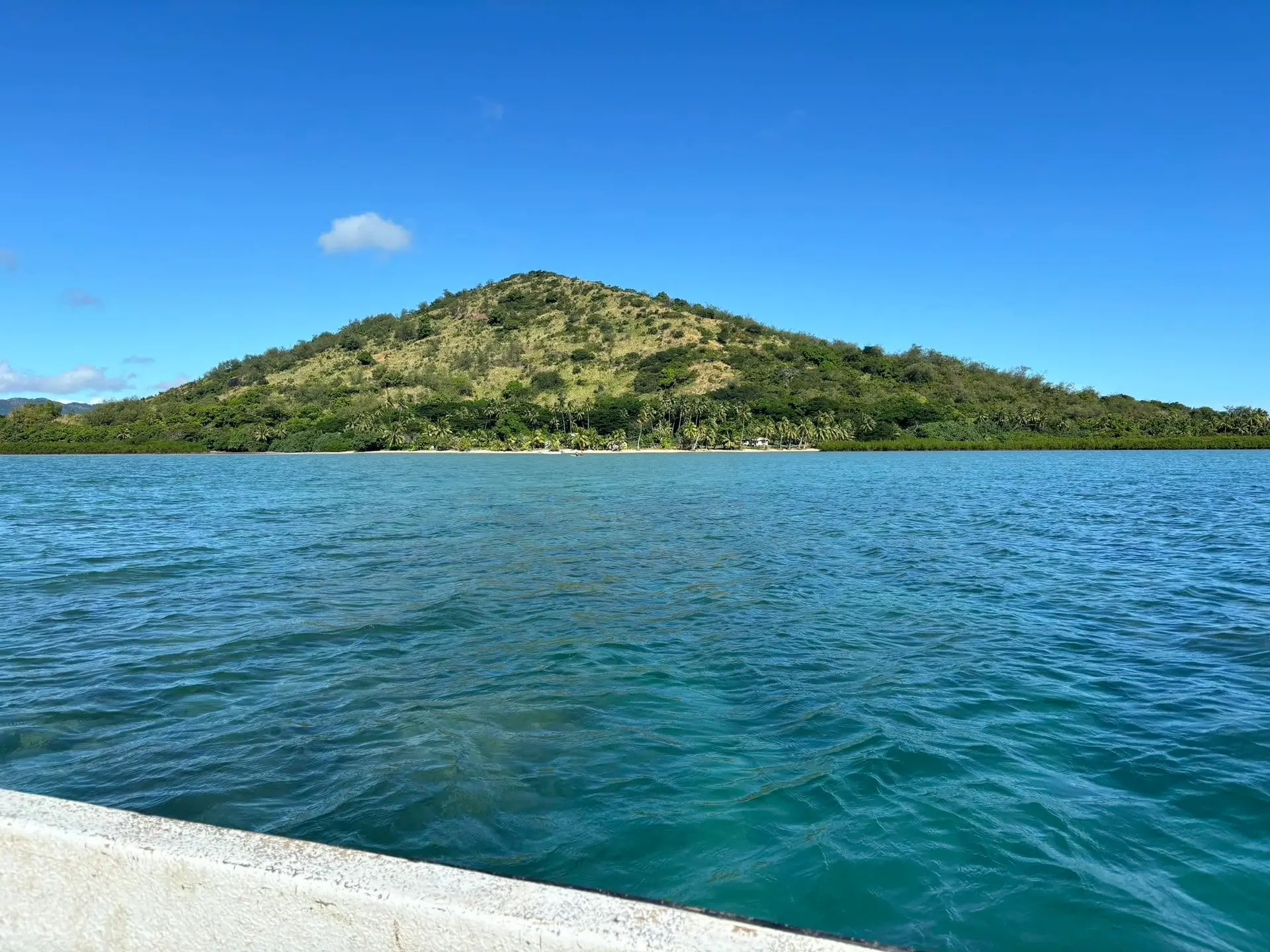
Geographical location of Macuata-i-Wai island on December 30, 2025.
Supplied
Macuata-i-Wai villagers have been travelling to the mainland for water and paying additional transport costs as a water shortage stretches for about a month.
Village headwoman Laisana Baleiniqalau Tokaduadua said villagers were sourcing water from Naduri on the mainland.
She said the shortage had forced villagers to incur additional costs to transport water to the island.
Related stories
“We are buying the fuel. Extra cost,” Ms Tokaduadua said.
She said villagers were paying about $70 for a 20-litre drum of water and were also taking their clothes to the mainland to wash.
“We’ve been filling the water from the mainland,” she said.
Ms Tokaduadua said the village’s main water source had dropped below the level needed for water to flow to the community tank.
She said the water project had benefited the community until the shortage began in late September.
“By the month of October, there was shortage of water,” she said.
The situation has also forced the community to ration its water supply, with villagers controlling when water is circulated.
Ms Tokaduadua said the community was now having to manage its limited supply as the dry season continued.
She said the village had submitted a request to the Water Authority of Fiji (WAF), but had yet to receive a response.
However, WAF said it had not received a formal request for assistance regarding the reported water supply concerns.
Questions sent to Permanent Secretary for Environment and Climate Change Dr Sivendra Michael also remained unanswered.
WAF response
WAF said the Macuata-i-Wai water supply system is a rural water scheme supplied by a small spring that serves households on the island.
It said water supply concerns for rural schemes are generally coordinated through the Office of the Commissioner Northern Division, in collaboration with relevant agencies.
WAF said it remained available to provide support when required and after coordination with the relevant authorities.
It said that during previous water disruptions, WAF had assisted by positioning water storage tanks at the mainland landing area, while transportation to the island was coordinated through the relevant Government channels and community stakeholders.
WAF encouraged residents experiencing water supply difficulties to report their concerns through the established channels so the matter could be assessed and coordinated.
It said it remained committed to working with the Office of the Commissioner Northern Division, community representatives and other relevant stakeholders to support affected communities and facilitate access to safe and reliable water services.