No court martial for murder, rape or treason, RFMF clarifies
Military personnel accused of major crimes will face civilian prosecution under existing law.
Thursday 19 November 2026 | 14:00


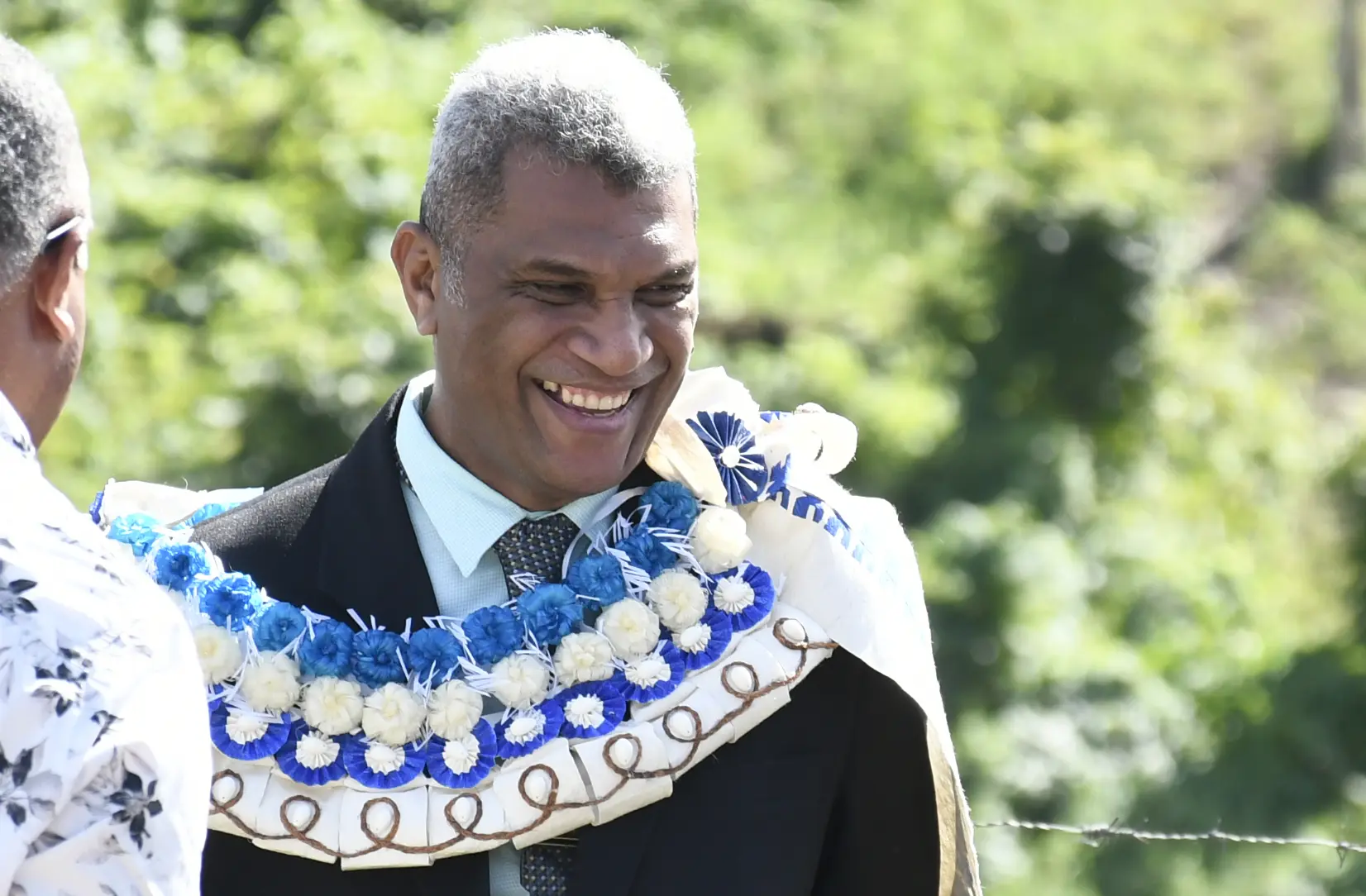
Lieutenant (Navy) Atunaisa (first from Left) Waqainabete and Captain Stephanie Dunn, (second from right) with the legal aid lawyers at the RSL Hall in Lautoka.
Photo: Mereleki Nai
Military personnel accused of murder, rape and treason must face civilian courts rather than court martial under provisions of the Army Act 1955.
This was clarified during public consultations on the Republic of Fiji Military Forces (RFMF) Bill 2026 and Military Justice Bill 2026 at the R.S.L Hall in Lautoka today.
Legal Aid Commission lawyer Fane Kasa raised concerns about the jurisdiction of military and civilian courts when military personnel commit offences that breach both military and civilian laws.
Related stories
She also questioned how authorities would prevent individuals from being prosecuted twice for the same offence.
Consultation panel member, RFMF Legal Service senior legal officer Captain Stephanie Dunn explained that military personnel remained subject to civilian laws under Section 14(4) of the Constitution, while the Army Act 1955 and related regulations provided an additional layer of legal responsibility.
She said civilian jurisdiction took precedence, particularly in serious criminal matters.
Section 70 of the Army Act 1955 specifically provides that offences such as murder, rape and treason must be dealt with by civilian courts rather than court martial.
For other offences, the Republic of Fiji Military Forces would need to seek permission to prosecute personnel internally, with civilian prosecution generally taking priority.
Captain Dunn said civilian courts would proceed first where Police had already filed charges.
She emphasised that an individual could not be prosecuted in both civilian and military courts for the same offence. Once civilian prosecution had commenced, military courts would not intervene.
The consultation also highlighted changes to the military justice system, which would fall under the High Court of Fiji, providing a more formal judicial structure than previous arrangements.
Meanwhile, Legal Aid Commission representative Shivani Narayan called for the proposed reforms to protect the fundamental rights of military personnel.
She said modernising the military justice system should not compromise the right to a fair trial, due process or the right to remain silent.
Captain Dunn acknowledged the concerns and said the proposed Military Justice Bill aimed to ensure military personnel enjoyed the same rights as other citizens, particularly when accused of offences or detained.
She noted that existing procedures did not always align with constitutional requirements, including instances where personnel could be ordered to confine themselves without due process.
The proposed reforms would also provide for a Director of Prosecutions and a military court judge under the High Court structure.
Captain Dunn said plans were also underway to establish memoranda of understanding with the Legal Aid Commission to ensure military personnel understood and could exercise their legal rights.
The reforms aim to align Fiji’s military legislation with its international human rights commitments, including the nine core international human rights conventions.