‘The over-consumption of yaqona is affecting the ministry’
Rev Turagavou said the physical effects of excessive consumption were also damaging the image of church leaders.
Friday 21 August 2026 | 08:00
Updated 21 August 2026 | 10:58 FJT
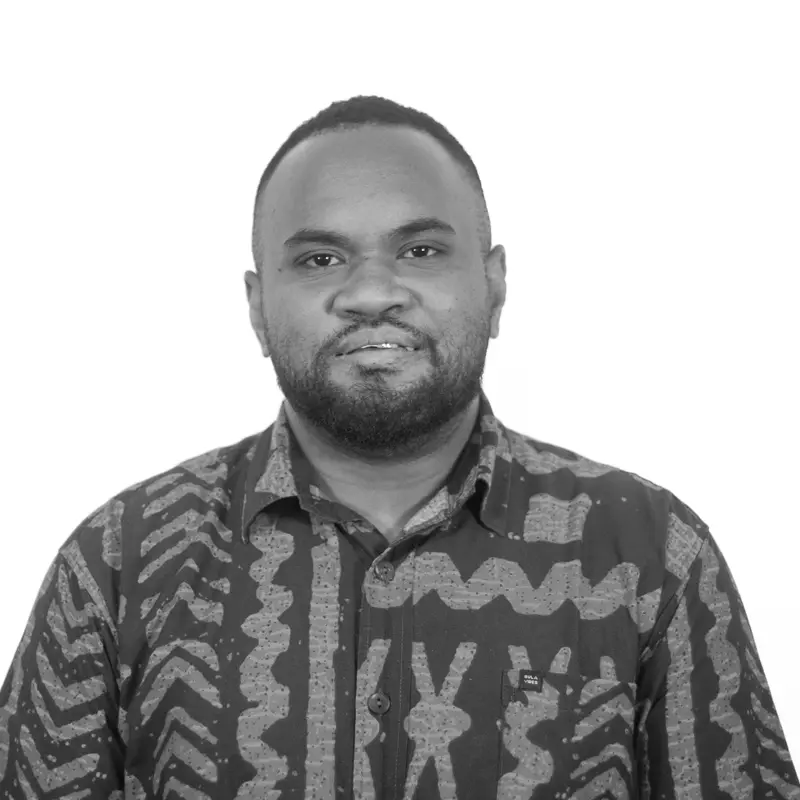
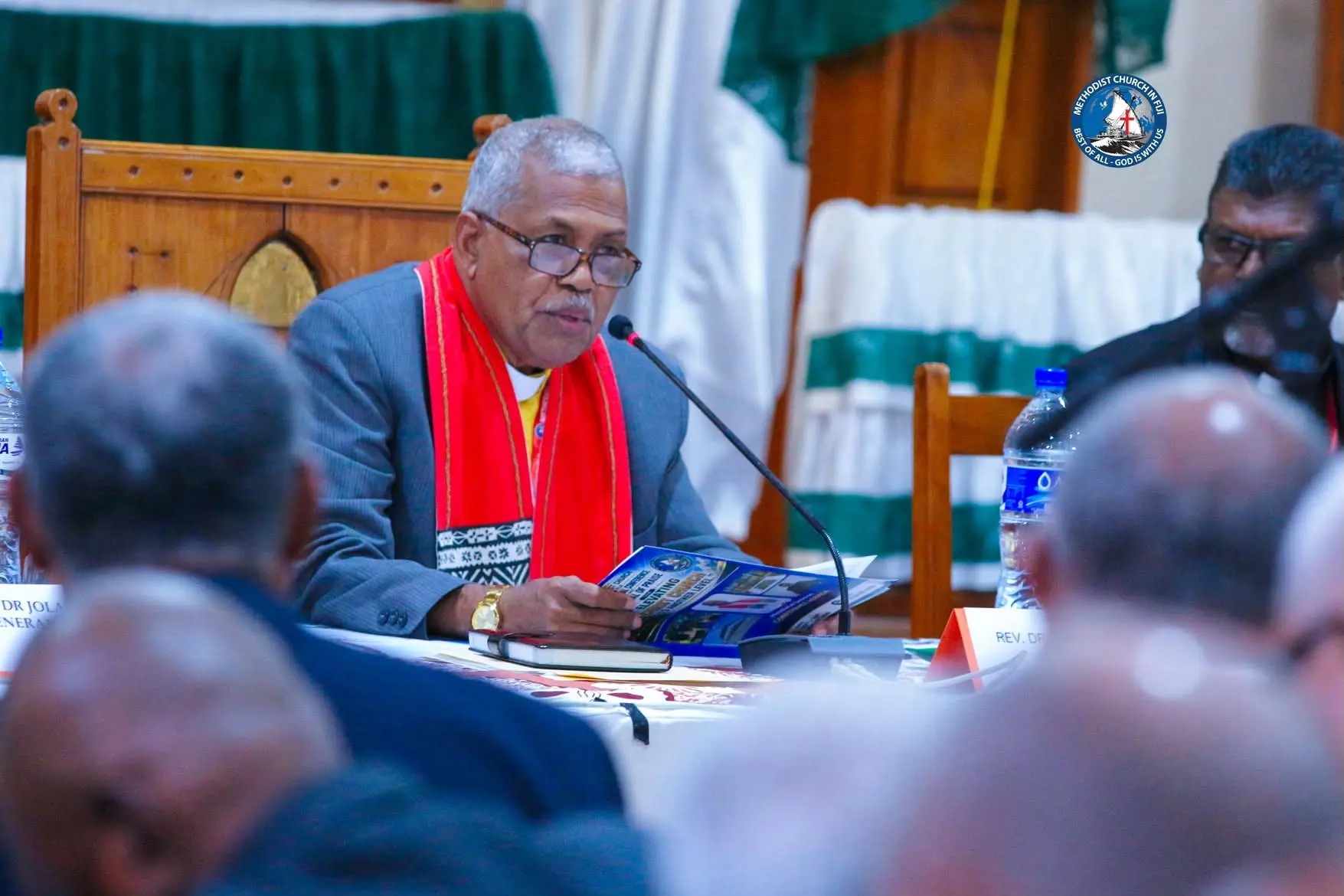
President of the Methodist Church in Fiji and Rotuma Reverend Dr Semisi Turagavou.
Methodist Church in Fiji
Excessive yaqona (kava) consumption among Methodist ministers is weakening pastoral care, sermon preparation and evangelism, and in some cases driving church members away, Methodist Church in Fiji president Rev Dr Semisi Turagavou has warned.
Addressing the opening of the ministerial meeting of the annual Bose Ko Viti yesterday, Rev Turagavou said the concern was not about yaqona or its cultural significance, but the lack of discipline surrounding its consumption.
“Excessive conception of yaqona. I raise this matter not to shame anyone or to attack our culture or our tradition, but because it has become a genuine burden upon our ministry and our witness. Let me be clear, this is not a cultural issue. Yaqona has an honoured place within our vanua and among our people.
Related stories
“It remains an important expression of our identity and hospitality. The issue before us is not yaqona itself, but the absence of discipline.”
Rev Turagavou warned ministers against allowing yaqona to control their lives.
“Whenever something begins to master us rather than us mastering it, it ceases to be a blessing and becomes a burden.”
He said the impact was already being felt in the work of some ministers.
“The over-consumption of yaqona has affected the ministry of many of our ministers.
“It has reduced our effectiveness in pastoral visitation. It has weakened our commitment to Bible study and sermon preparation. It has affected our attendance at training programmes. It has diminished our energy for evangelism and social outreach.
“In some cases, it has even weakened our witness before our own congregation and the wider community, becoming a source of ridicule rather than respect.”
Rev Turagavou said the physical effects of excessive consumption were also damaging the image of church leaders.
“We must also recognise that our image matters alongside our message.
“Too often, the very bodies and bearings of our ministers and lay pastors tell a story before we even preach a sermon.
“Bloodshot eyes, weary appearances, dryness of skin, unsteady speech, and visible fatigue communicate the effect of excess. Whether we intend it or not, this thing undermines the gospel we proclaim.”
He reminded ministers of their responsibility to set an example for their congregations.
“Paul's exhortation to Timothy remains God's word to every minister today. Set the believers an example in speech, in conduct, in love, in faith, and in purity. First Timothy chapter 4 verse 12.
“Our conduct, even our appearance, must reinforce our message rather than contradict it.
“We cannot proclaim wholeness while our lives visibly reflect a lack of control. Some of our people openly question the example we set.”
Rev Turagavou said some members were leaving churches because they believed they were not receiving the spiritual leadership and pastoral care they needed.
“Others quietly leave our churches, seeking for what they believe to be greener pastures. Not because the gospel has failed, but because they have been unable to find the spiritual leadership and pastoral care they long for.
“They are hungry for shepherds, who are present, attentive, prayerful, spiritual, alive. Every member who quietly slips away should cause us to examine ourselves before we examine anyone else.”
Rev Turagavou also reaffirmed the Church's position on smoking, extending his call for discipline to lay pastors.
“For this reason, I also affirm that the church's discipline regarding smoking remains unchanged. I now ask not only every ordained minister, but also every lay pastor to embrace this standard with equal seriousness.
“This is not merely a regulation imposed by the church. It is an expression of our calling to honour our bodies as the temple of the Holy Spirit and live lives worthy of the gospel we preach.”