Editorial: When sports costs too much
School sport should not come at the expense of education or family finances.
Friday 07 August 2026 | 11:00

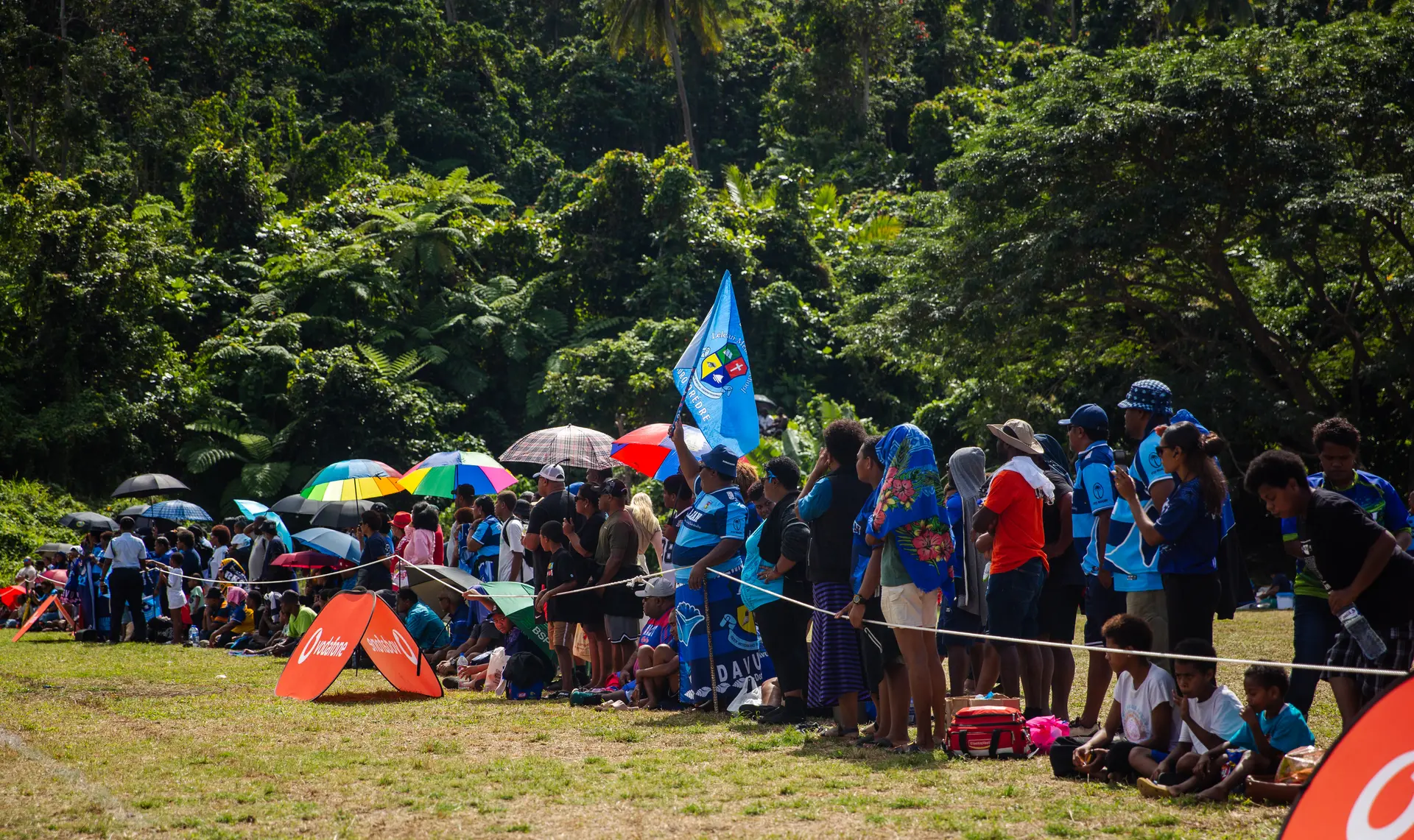
School rugby inspires thousands, but is the season becoming too long and too expensive for families?
There is no denying the place rugby holds in Fiji’s heart. Every week, thousands of parents, students and old scholars fill the grounds to support their schools in the Vodafone Deans and Weet-Bix competitions.
The atmosphere is electric, the rivalries fierce and the dreams of young players very much alive. But behind the cheers and the packed grandstands lies a question that deserves serious discussion: at what cost?
The secondary schools’ rugby season now stretches across three to four months. With weekly matches from the Under-14 to Under-19 grades for boys and the Under-16 and Under-18 grades for girls, parents are expected to dig deep into their pockets, week after week.
Related stories
Admissions alone cost $15 for adults and $10 for children at the grounds. Add transportation, food, uniforms and other expenses, and the burden quickly mounts.
This year, the introduction of an elimination round saw schools travelling across the country, even to Vanua Levu. For many families already struggling with the rising cost of living, such demands are simply unsustainable.
The comparison with football is striking. The Fiji Secondary Schools Football competition is largely played within zones, with the top teams progressing to a four-day Inter-District Championship (IDC) held during the school holidays. There is less disruption to classes, less travel and, ultimately, less financial strain on parents.
Schools exist first and foremost to educate. Sports should complement learning, not compete with it. Extended competitions inevitably mean missed classes, disrupted routines and added pressure on students trying to balance their academic responsibilities.
No parent begrudges supporting their child’s passion. Many proudly make sacrifices because they believe in the opportunities sports can provide. But when extracurricular activities begin placing excessive financial pressure on families, it is time for administrators to pause and reflect.
Rugby will always be part of Fiji’s identity. It teaches discipline, teamwork and resilience, and it has created pathways for many young people. But schools must never lose sight of their primary purpose — education.
The question we must ask is this: are our schools producing scholars who happen to play rugby, or are we producing rugby players who merely happen to attend school?
The answer will determine whether we are truly developing well-rounded young people or simply feeding a sporting culture at the expense of academic growth and family wellbeing.