USP researchers preserve Pacific wisdom through documentation
Three USP PhD candidates are documenting Indigenous languages, traditions and practices across the Pacific.
Friday 14 August 2026 | 14:00
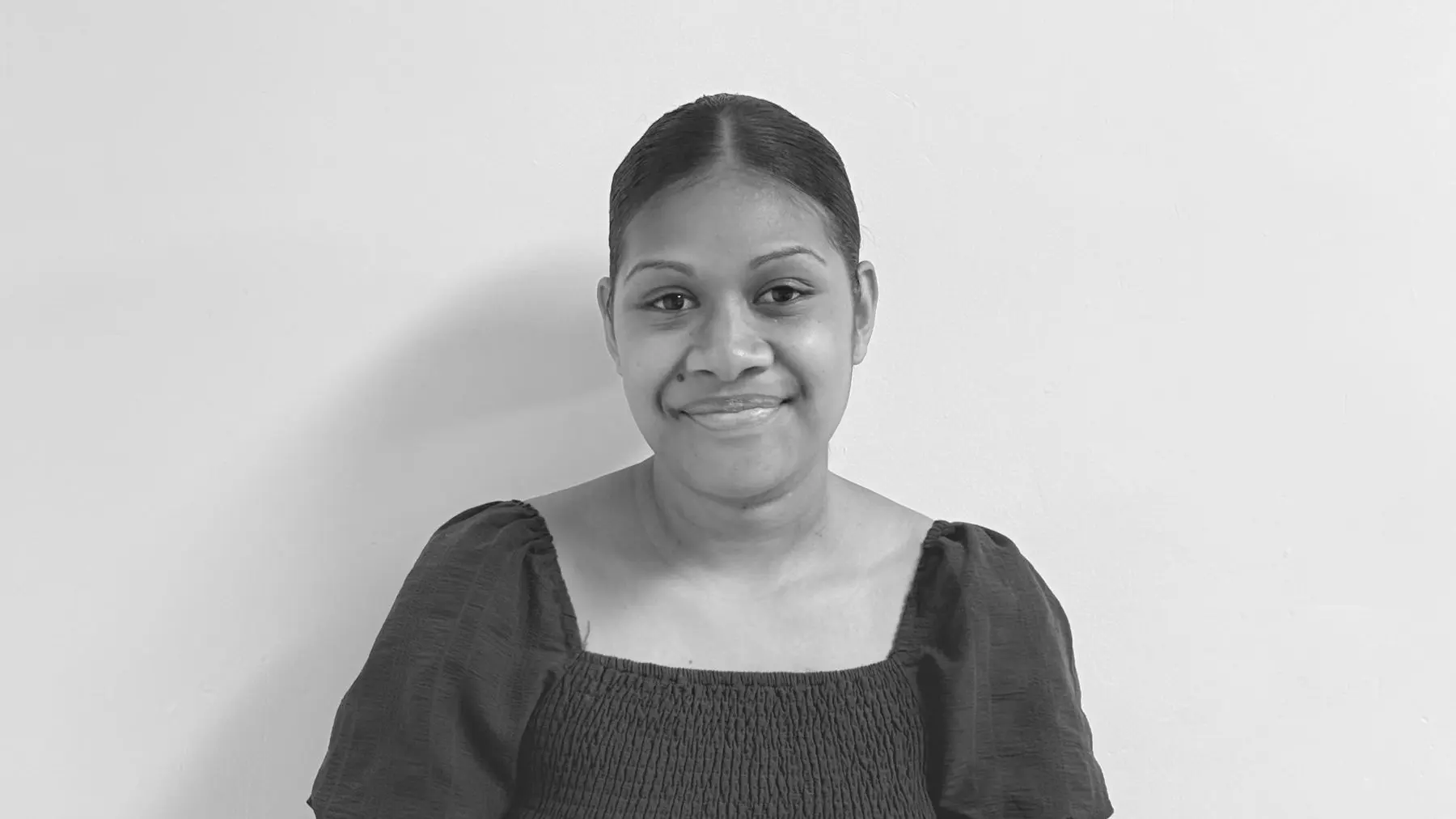
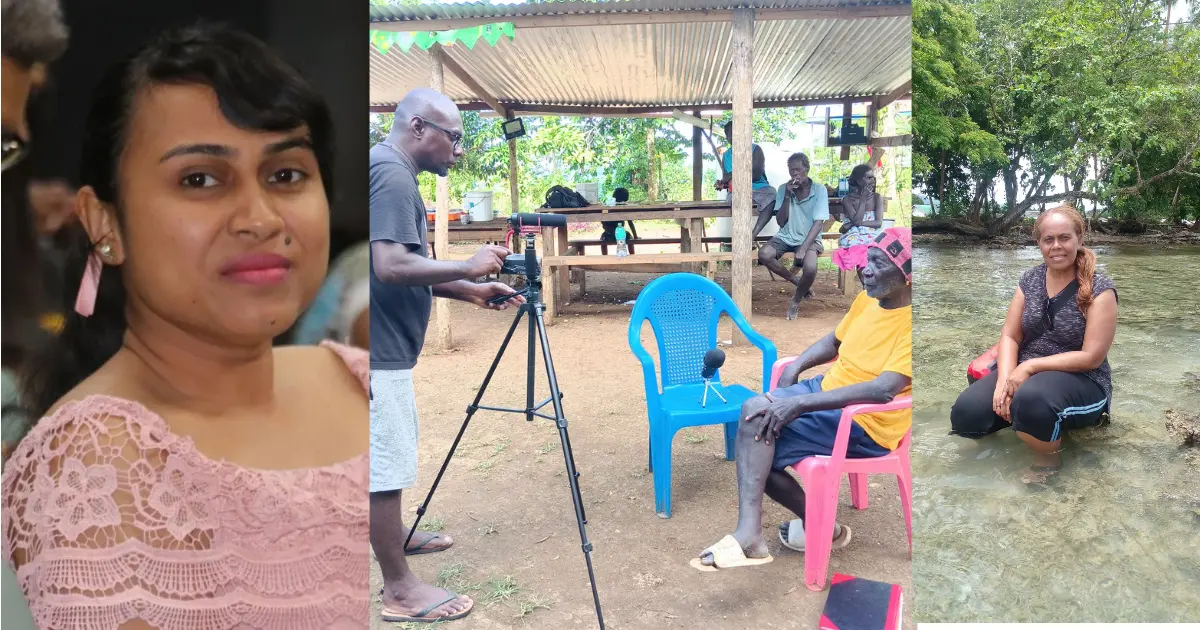
From left: Sandhya Kumari, Peter Sasabule and Alice Rore
Photo: Supplied
Pacific researchers at the University of the South Pacific (USP) are working to preserve Indigenous languages, traditional knowledge and cultural practices before they are lost, highlighting the value of ancestral wisdom in addressing modern challenges.
The work of three USP PhD candidates — Sandhya Kumari, Alice Clara Aluta-Rore and Peter Sasabule — is documenting knowledge passed down through generations and ensuring it remains accessible to future Pacific communities.
Their research comes as the world marks the International Day of the World’s Indigenous Peoples, highlighting the importance of protecting Indigenous knowledge and recognising its contribution to climate resilience, food security, sustainable development and cultural identity.
Related stories
For Ms Kumari, a PhD candidate in the Norway-Pacific Ocean-Climate Programme, preserving Indigenous knowledge is also a deeply personal journey.
Of Indian and Banaban-Gilbertese descent, her research examines the impacts of displacement on Banaban communities while documenting traditional ocean knowledge within Banaban and Kiribati speech communities.
Working with Indigenous communities, she records stories, navigational knowledge and environmental practices developed through centuries of interaction with the Pacific Ocean.
“These knowledge systems are not just cultural treasures, they offer practical, sustainable ways of understanding and responding to climate change,” MS Kumari said.
Inspired by her twin Banaban grandmothers, Kaka Taaren and Kaka Takoroa, Ms Kumari is also working to recover knowledge connected to a language that has gradually disappeared from everyday use.
She said losing a language also risked losing the knowledge contained within it.
“When a language dies, the knowledge encoded in it becomes silent and inaccessible,” she said.
Ms Aluta-Rore, a final-year PhD candidate from Solomon Islands, is focusing on another critical area — Indigenous food systems and the role of women in strengthening food security.
Her research documents traditional gardening, fishing and food preservation practices used by rural Solomon Islands women and passed down through generations.
“My research is deeply connected to Indigenous knowledge, culture and heritage because it centres on the lived experiences of rural Solomon Islands women who use inherited ancestral knowledge and wisdom to ensure food-secure households and villages,” Ms Aluta-Rore said.
She said Indigenous knowledge should not be viewed simply as historical information but as a living system that continues to guide communities.
“Indigenous knowledge is more than a body of data, but a living system that enables survival and innovative decisions that will help shape sustainable futures for our food systems in the Pacific,” she said.
Meanwhile, Mr Sasabule, a PhD candidate in linguistics from Roviana in the Western Solomon Islands, is working to preserve the Roviana language by documenting oral histories, stories, songs, conversations and traditional knowledge.
His research aims to create a comprehensive language corpus that can be accessed by researchers and the Roviana community.
“Language documentation is vital for preserving oral traditions,” Mr Sasabule said.
Mr Sasabule said his interest in documenting Roviana began during childhood when he listened to stories told by his grandmother.
“Zinama Roviana played a significant role in my upbringing,” he said.
He said preserving Indigenous languages was essential to ensuring future generations remained connected to their cultural heritage.
“Indigenous knowledge and identity are intricately woven into our Pacific cultures,” he said.
Through research, community partnerships and postgraduate training, USP continues to provide a platform for Pacific scholars to document and strengthen Indigenous knowledge systems.
The researchers’ work demonstrates that ancestral knowledge is not only part of the Pacific’s past but remains a valuable resource for confronting challenges facing communities today and shaping a sustainable future for generations to come.