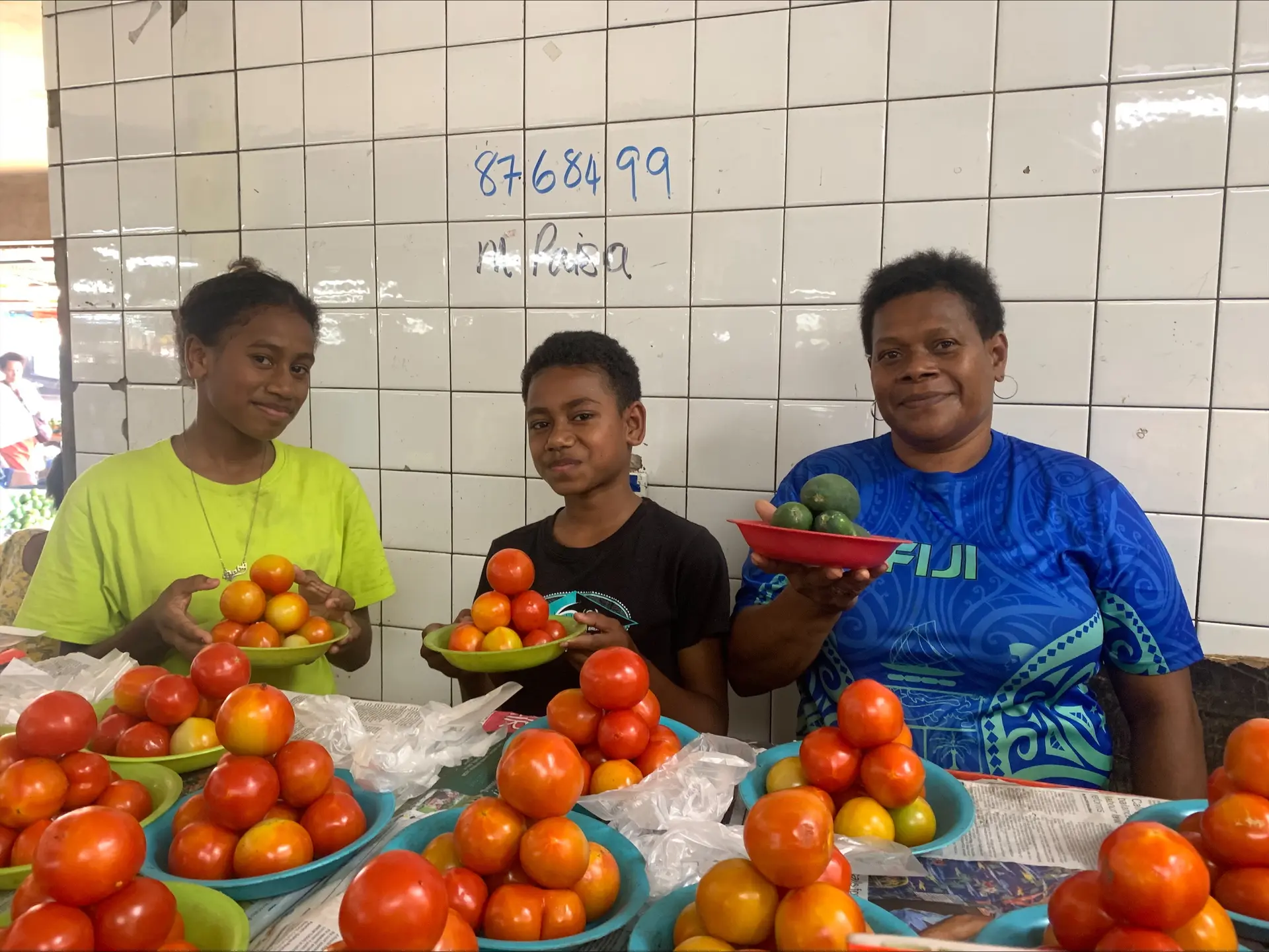
Drought threatens vegetable supplies as market costs rise
Wednesday 18 November 2026 | 17:30

Farmers are bringing less produce to market while vendors report higher purchasing costs and warn of further price increases.
Suva market vendors are warning of possible fresh vegetable shortages and further price increases in the coming months as the prolonged dry spell continue to affect farmers and agricultural production across Fiji.
Vendors say reduced harvests are affecting the quantities of produce reaching the market, while rising purchasing costs are putting additional pressure on their businesses and household incomes.
Market vendor Prem Shankar said farmers were already struggling to supply sufficient produce, with some bringing significantly smaller quantities because of a lack of water.
Related stories
He said farmers who previously travelled to the Suva Municipal Market up to three times a week were now combining their supplies, with three to four farmers sharing one truck because of reduced harvests.
“Without water we can't do anything. So, it will be a big problem for everybody in a few months' time,” he said.
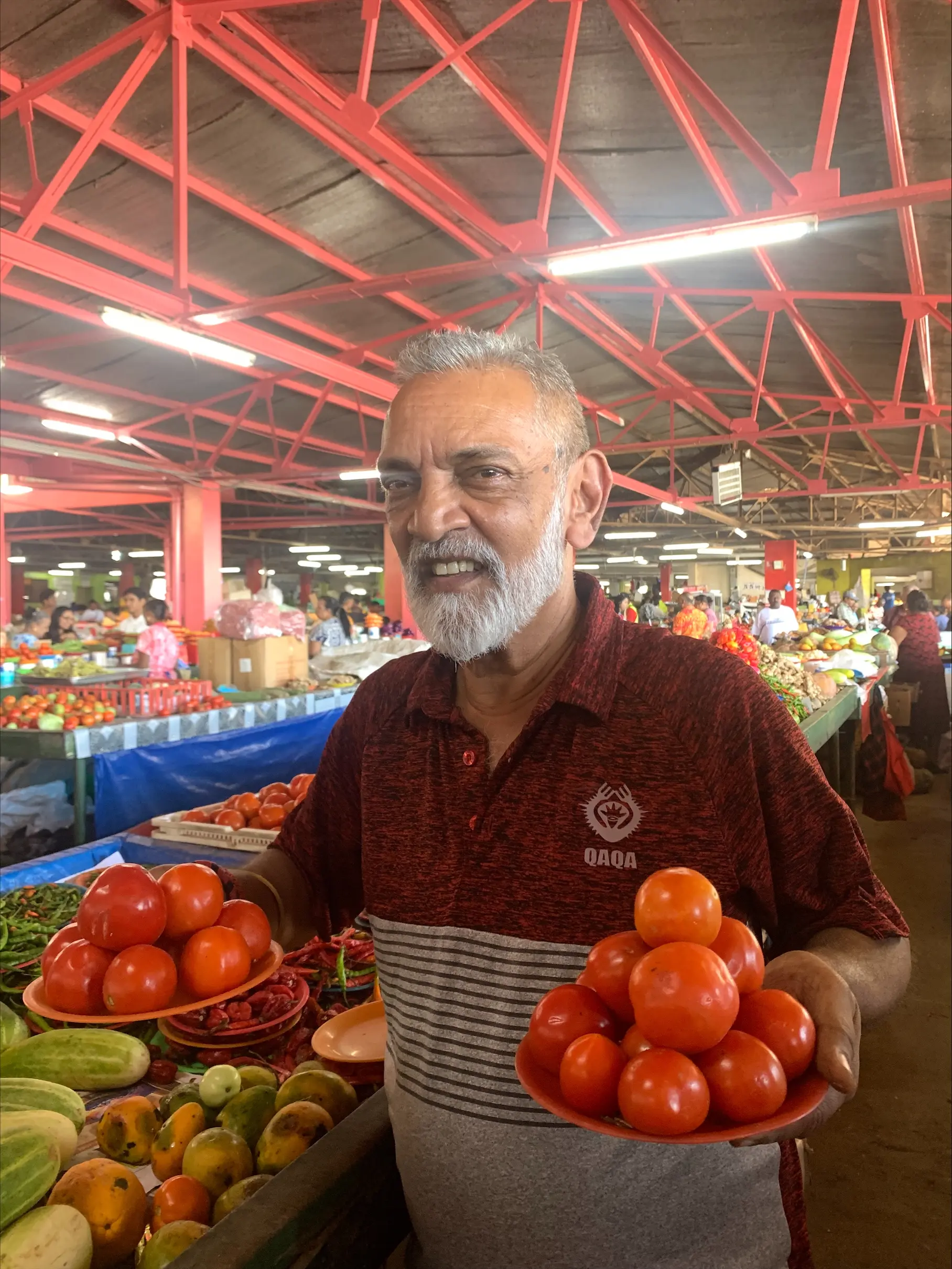
Suva market vendor Prem Shankar.
Photo: Milika Rabulu
Mr Shankar said the effects of the drought were evident during a recent visit to the Western Division, where dry conditions were affecting livestock and farming activities.
He said cattle were struggling to find grass and drinking water, while farmers faced difficulties maintaining their livelihoods.
Mr Shankar warned that continued supply problems could particularly affect people who depended entirely on vegetables for their daily meals.
He encouraged households to revive home gardening, recalling how many families started planting vegetables during the COVID-19 pandemic.
He also urged the public to conserve water and avoid unnecessary wastage, saying water should be prioritised for drinking and essential household needs.
Purchasing power
Forty-year-old market vendor Silina Vesinawa said the cost of purchasing produce had increased significantly, placing additional pressure on her family's only source of income.
Ms Vesinawa said a bag of produce that previously cost $50 now cost as much as $100, while a sack of tomatoes that sold for $20 had increased to between $40 and $50.
She said a sack of mangoes was also costing around $100, making it increasingly difficult for vendors to manage their expenses.
“Normally, we usually buy a bag for $50, and now it is double compared to before. With this current El Niño weather we are facing, this amount of goods is costly,” she said.
Ms Vesinawa said suppliers were warning vendors to prepare for further increases each week as farmers continued to experience water shortages, particularly in Sigatoka, where water was essential for vegetable production.
She said vendors had little control over the situation because the produce they received was not always what they required.
With the Government declaring a state of national disaster today, Ms Vesinawa called for consideration and assistance for market vendors through possible grants to help ease their financial burden.
She also urged consumers to be understanding of changing market conditions and avoid being overly selective when purchasing produce as supplies became increasingly uncertain.
Although Suva continued to receive produce from different parts of Fiji, including the Western and Northern divisions, Mr Shankar warned that continued drought could place further pressure on farmers, vendors and consumers.
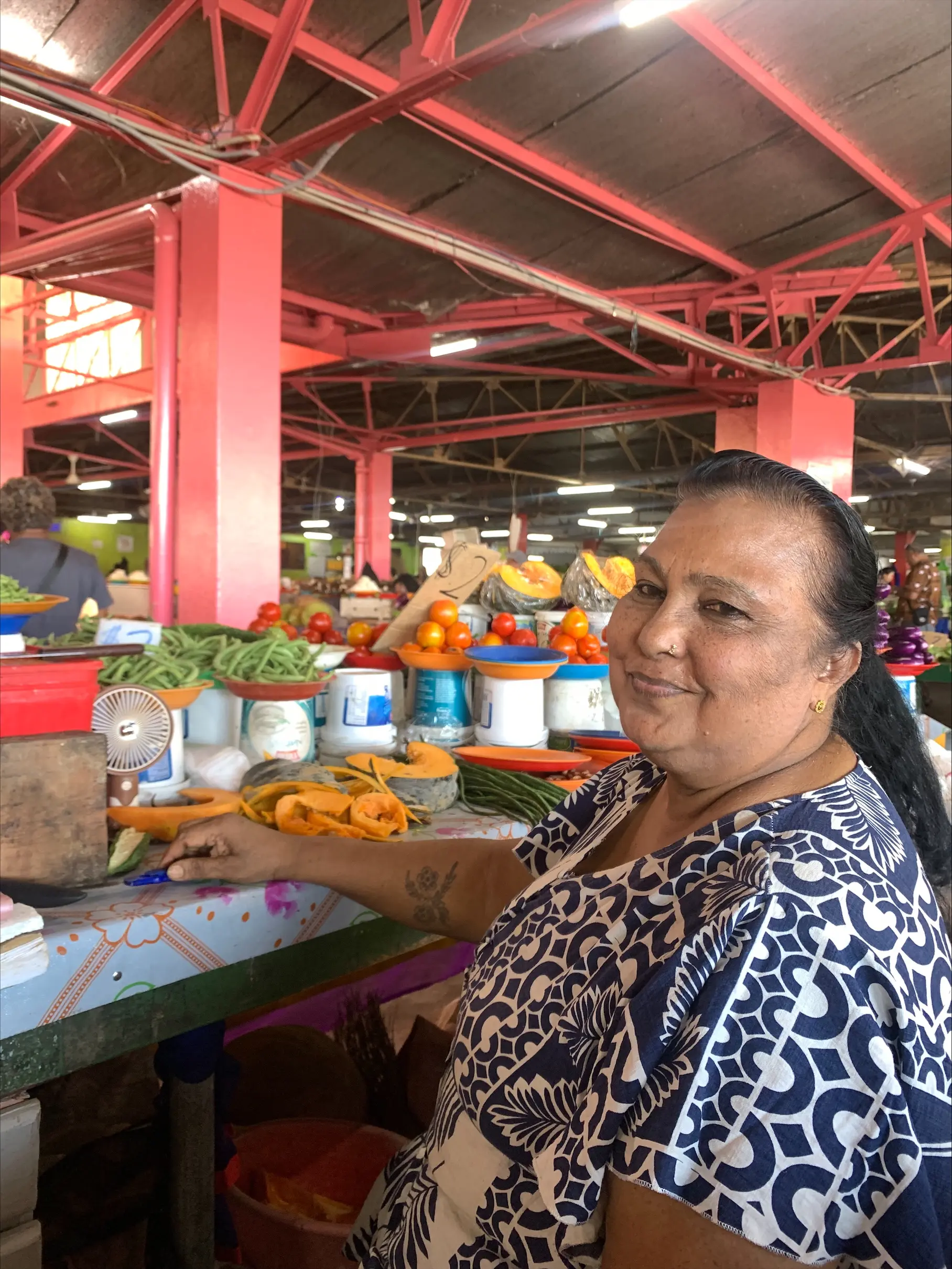
Suva market vendor Daya Wati.
Photo: Milika Rabulu
Sustainability
Vendor Daya Wati, 57, said the increasing cost of vegetables was making it difficult for vendors to sustain their businesses and support their families.
Ms Wati, who sources her produce from Sigatoka, said vendors were spending more money to purchase vegetables but earning less from sales.
She said a sack of eggplant now cost around $100, placing additional financial pressure on vendors who depend on market sales as their main source of income.
“Right now the prices are very high and we have to buy more, but compared to what we get from what we sell, it is less,” she said.
Ms Wati described the situation as a financial burden for vendors, who have little control over the increasing prices charged by suppliers.
She said uncertainty surrounding the current disaster had raised concerns about how vendors would manage their businesses in the coming months.
She added that suppliers in Sigatoka were also affected by changing weather conditions, making it increasingly difficult to predict the availability and cost of produce.
Ms Wati said vendors were worried about their livelihoods as they continued to face higher expenses while trying to maintain their income.
She said the situation was beyond their control because they could not change the weather conditions affecting farmers and agricultural production.