‘We are leaders, not victims’: Pacific youth demand climate voice
Young leaders identify four priorities, including the 1.5°C target, climate finance and ocean protection
Wednesday 19 August 2026 | 12:30
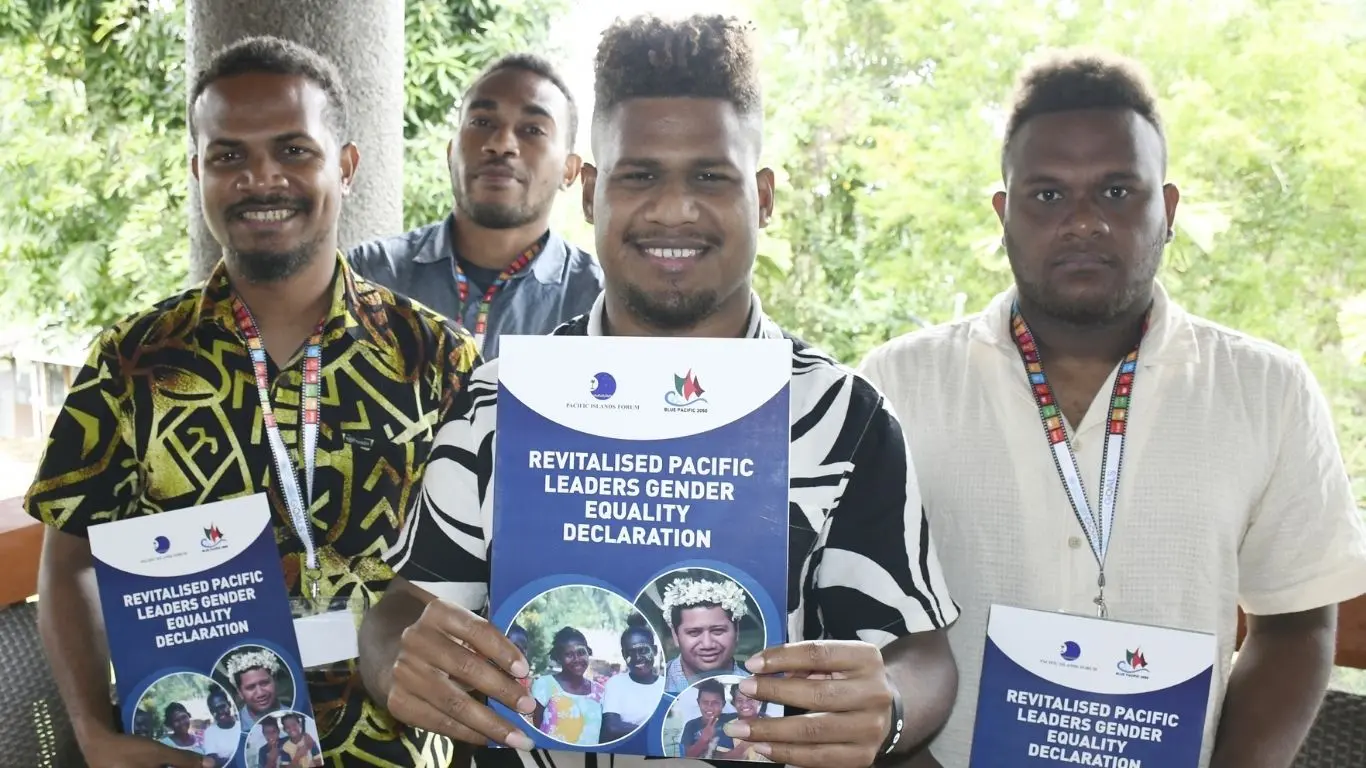
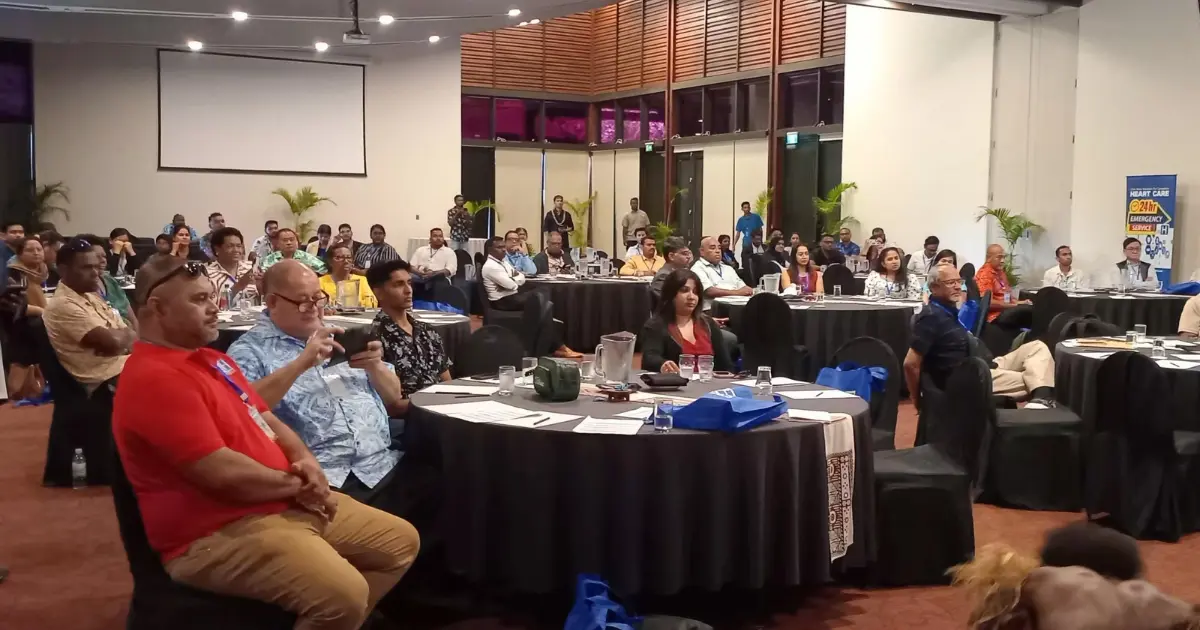
Participants during the Regional Conference of Youth at the Pacific Islands Forum Secretariat Suva, on August 18, 2026.
Photo: Ronald Kumar
Pacific youth are demanding a stronger role in shaping climate policies and decisions affecting the region.
They say their voices, traditional knowledge and lived experiences must be reflected in regional and global climate discussions.
The call was made yesterday during the ongoing Regional Conference of Youth at the Pacific Islands Forum Secretariat in Suva.
Related stories
Young leaders from across Oceania have developed shared priorities and a regional youth statement ahead of upcoming climate discussions.
National Youth Council Fiji vice-president Selai Niusere said climate change was not simply a policy issue for Pacific communities, but a daily reality threatening food systems, cultural identity, low-lying islands and coastal villages.
Ms Niusere said Pacific youth should be recognised as navigators, negotiators, scientists, researchers and leaders, rather than being treated only as victims of climate change.
Four key priorities were identified during the gathering — keeping global warming within 1.5 degrees Celsius, improving access to climate finance, protecting the ocean and ensuring young people have a meaningful seat at decision-making tables.
The 1.5-degree target is critical to the survival of Pacific island communities, calling for rapid emissions reductions, a transition away from fossil fuels and greater accountability from major emitters.
Climate finance was also highlighted, with calls for funding to be more accessible, predictable and responsive to the needs of local communities and youth organisations.
“Protecting the ocean is equally important because it supported Pacific livelihoods, food security and cultural identity,” Ms Niusere said.
International Labour Organisation (ILO) Pacific director Martin Wanderas said young people should not simply be consulted, but should be involved in shaping programmes and decisions that affected them.
“Priority should be to create programmes with young people rather than simply for young people, this ensure their experiences and ideas influenced decision-making processes,” he said.
Mr Wanderas said the three-day conference provided an opportunity for Pacific youth to identify their priorities, develop collective messages and turn their ideas into action.
Participant Timoci Mocebalavu, a legal research intern at Dialogue Fiji, said the discussions provided an opportunity to contribute his legal drafting skills while learning about the planning and aspirations leading into upcoming climate discussions.
Mr Mocebalavu said he felt privileged to join young leaders from across the Pacific and contribute to discussions on the ocean, cultural preservation and traditional knowledge.
The conference represents a significant shift for Pacific youth, who are increasingly being given opportunities to participate in conversations affecting their future.
The gathering has also provided young people with an opportunity to raise their concerns and demonstrate the impact they can make when given the opportunity.
The Regional Conference of Youth will produce a collective statement reflecting the shared priorities and experiences of young people from across the Pacific.
Participants are optimistic that the statement will not simply remain on paper, but carry the collective voice of Pacific youth into regional and global decision-making processes.