Tourism sector shifts from forecasts to action
New operational thresholds aim to help Nadi-Denarau tourism operators respond to weather risks
Tuesday 18 August 2026 | 15:00

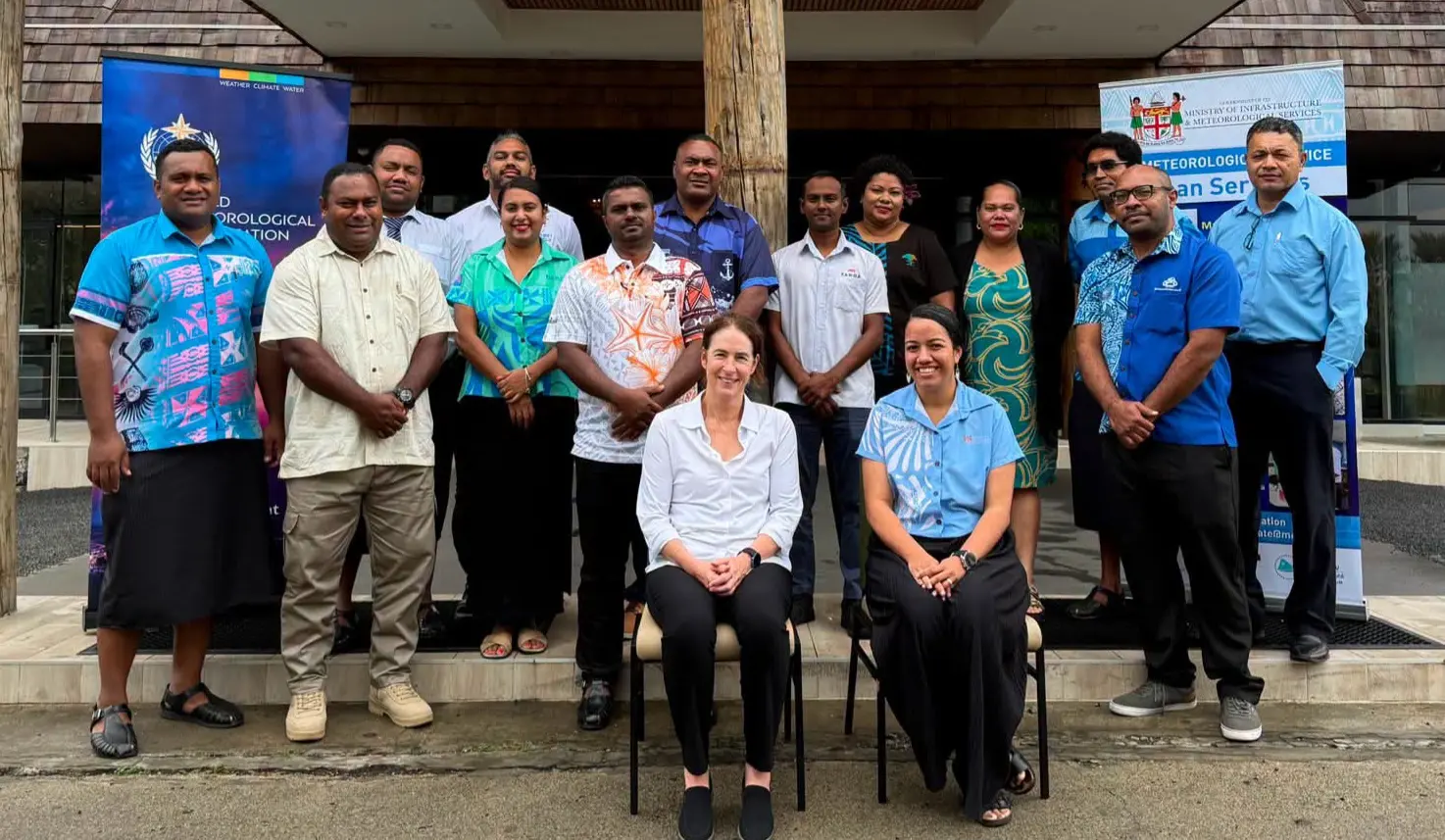
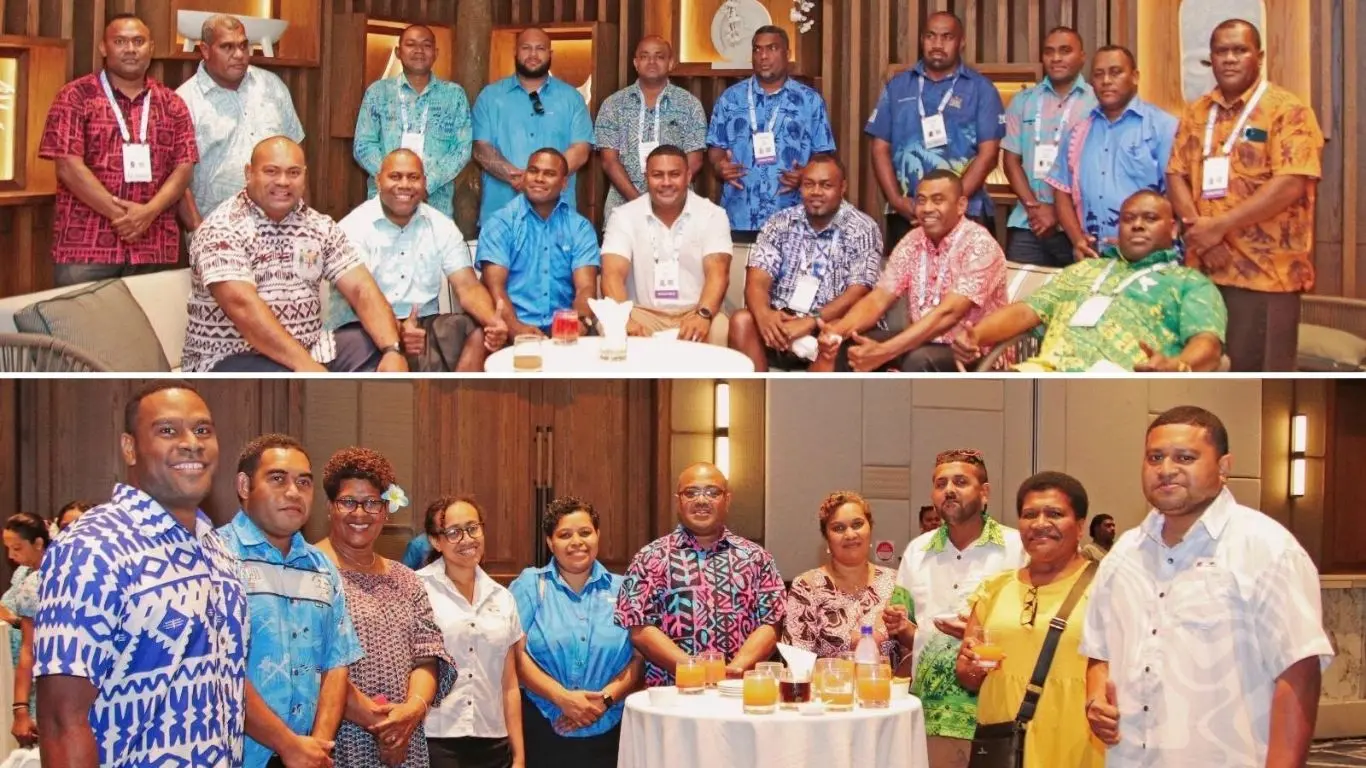
Hydrologic Research Centre’s Rochelle Campbell with delegates at the Fiji Tourism Impact-Based Forecasting (IBF) forum in Nadi
Photo: Supplied
Fiji’s tourism sector is strengthening its preparedness for weather-related risks by developing clearer thresholds to help operators understand forecasts and take timely action.
The Fiji Tourism Impact-Based Forecasting (IBF) forum, focusing on the Nadi-Denarau tourism zone, brings together tourism and disaster management stakeholders to develop practical approaches to weather-related risks.
During the opening at the Tanoa International Hotel in Nadi yesterday, Hydrologic Research Centre’s Rochelle Campbell said the focus was on turning weather and marine information into advice that could help tourism operators make better decisions.
Related stories
“A forecast on its own does not always tell us what we need to know,” Ms Campbell said.
“What matters to a hotel, tour operator, marina, transport provider or emergency manager is what the conditions could mean for people, activities and operations—and when action may be needed.”
The two-day event brings together the Fiji Meteorological Service, Fiji National Disaster Management Office, Ministry of Tourism and Civil Aviation, Fiji Hotel and Tourism Association, resort and hotel operators, marine and dive operators, and other stakeholders.
The Nadi-Denarau area faces hazards including heat stress, marine hazards, severe weather, lightning, flash flooding and coastal inundation, which can affect guest safety, staff welfare, transport, business continuity and tourism activities.
Stakeholders are reviewing Green, Yellow, Orange and Red operational thresholds for activities including small-craft transfers, snorkelling, diving, beach activities, outdoor events, river attractions and heat-related risks.
Ms Campbell said the workshop was not about creating another forecast product, but ensuring warnings were practical and actionable.
The discussions are also examining how warnings reach tourism operators and how messages can clearly communicate the hazard, potential impacts and required action.
The initiative is supported by the Fiji Meteorological Service, Hydrologic Research Centre, the United States Department of State and NOAA.
The goal is to develop a tourism sector that is better prepared, better informed and able to make timely decisions when weather risks arise.