Bua farm hosts Pacific climate solutions exchange
The event was organised through the Pacific Organic Learning Farms Network (POLFN) project under the Pacific Community (SPC).
Friday 30 October 2026 | 14:00
Updated 30 October 2026 | 15:40 FJT

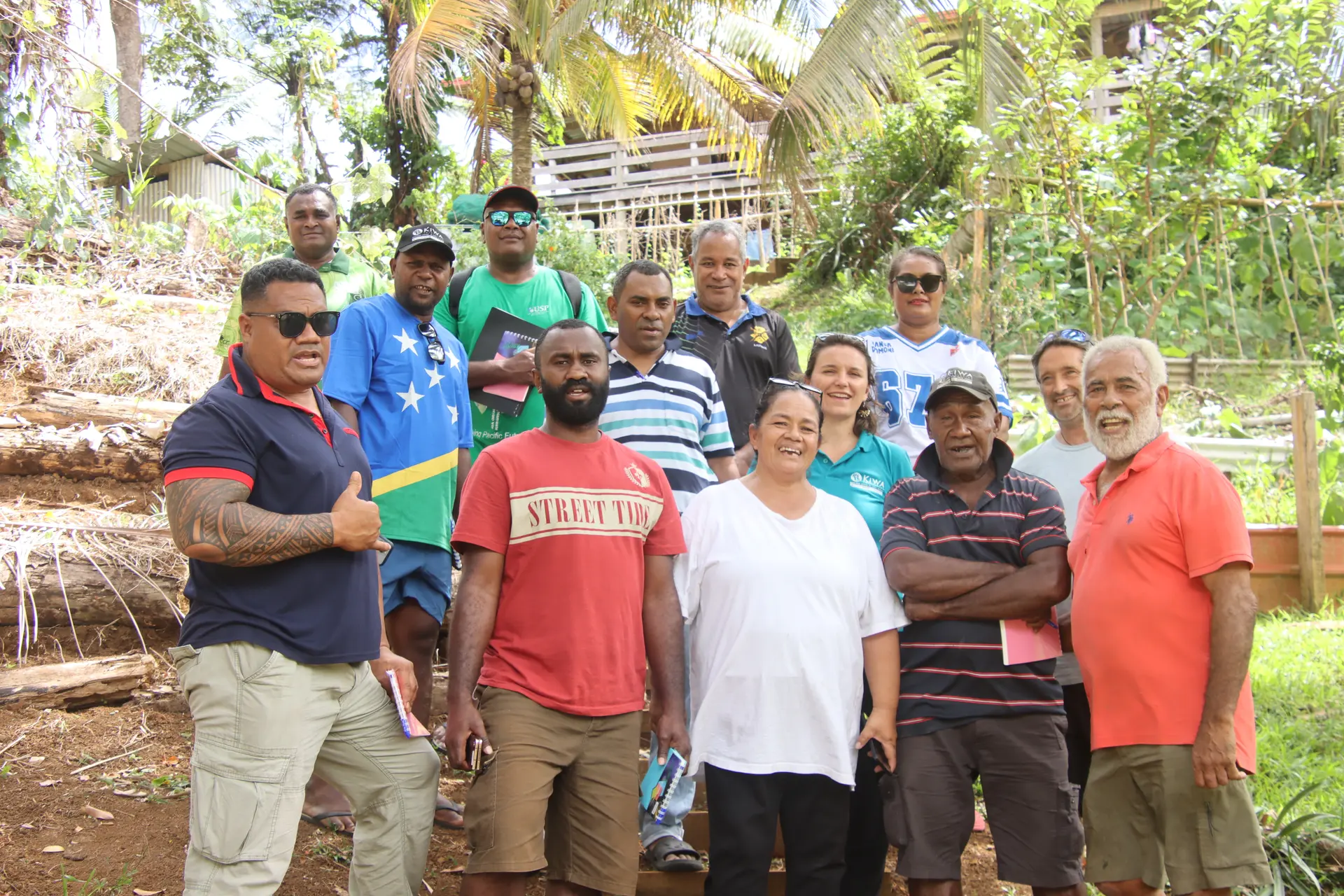
Pacific practitioners strengthen regional collaboration through Kiwa Learning Workshop in Fiji.
Pacific Community
Wainunu, Bua, became a meeting point for Pacific climate action as representatives from seven countries and territories gathered at the Mudrenicagi Organic Learning Farm to explore ways of protecting the environment while improving rural livelihoods.
The three-day learning exchange focused on helping communities sustain climate adaptation initiatives beyond project funding, while creating income opportunities through sustainable agriculture, forestry and conservation.
Representatives from Fiji, Tonga, Solomon Islands, Samoa, the Federated States of Micronesia, French Polynesia and New Caledonia participated in the Capitalisation of Learning Exchange (CAPEX) Workshop.
Related stories
The event was organised through the Pacific Organic Learning Farms Network (POLFN) project under the Pacific Community (SPC).
POLFN Project Manager Fuatino Fatiaki said the workshop brought together practitioners from different sectors to exchange experiences and identify practical solutions to climate challenges.
“I believe this event is one of those important mechanisms to bring together different practitioners from different areas for us to discuss what is happening in our communities and find solutions or ways that are going to help us achieve a lot of the nature-based solutions that we are trying to promote,” said Fatiaki.
Learning from Bua
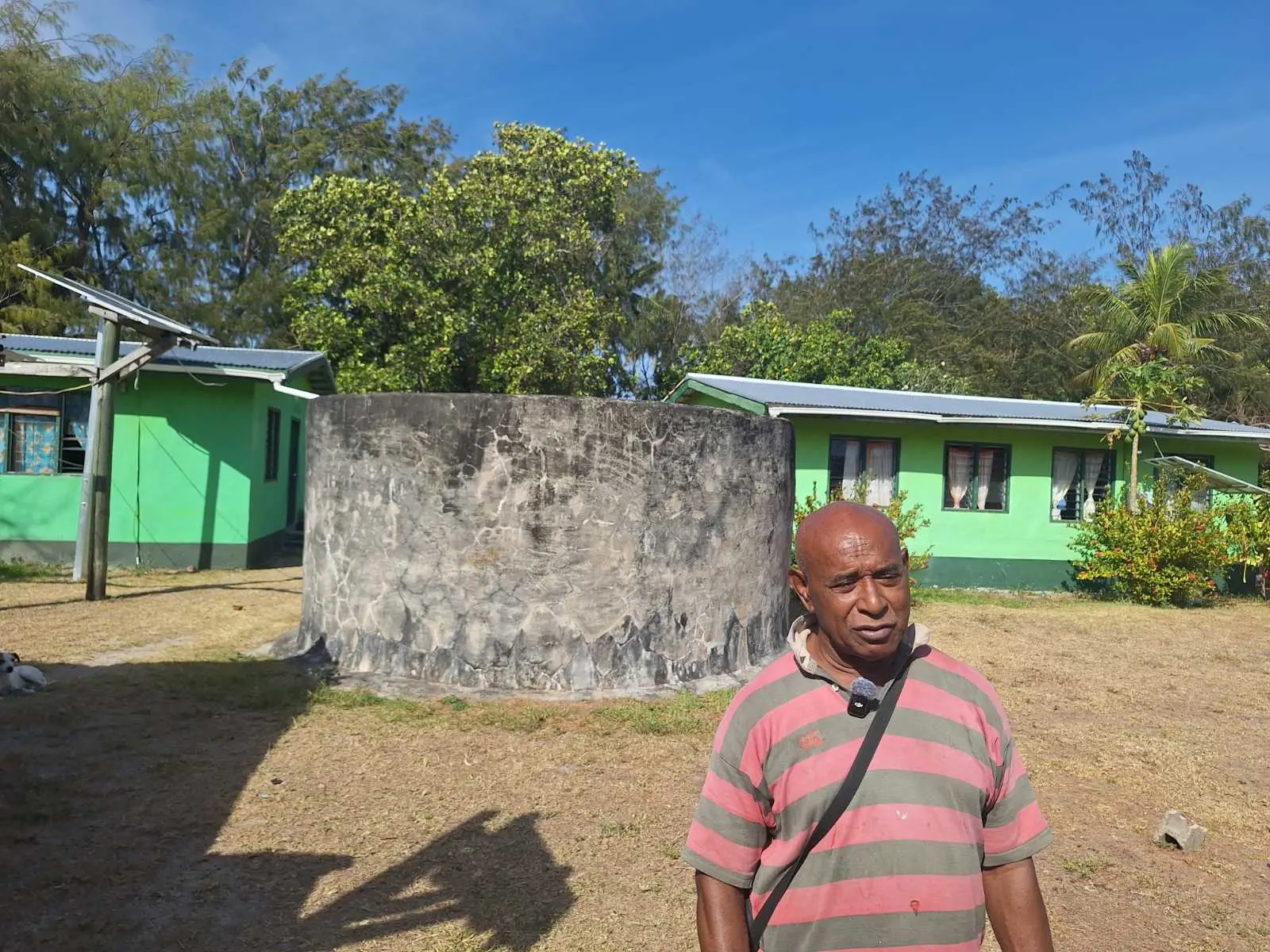
Hosting the workshop at Mudrenicagi Organic Learning Farm gave participants an opportunity to observe organic and agroecological farming practices firsthand.
Through farm observations, group discussions and practical activities, participants explored how these methods could be adapted to their own communities.
Mudrenicagi Organic Learning Farm adviser Karen Mills said the gathering was a rare opportunity for Pacific practitioners facing similar environmental challenges to share knowledge.
“The Kiwa Initiative is all about climate adaptation through nature-based solutions. So, it’s a rare time for us to all meet face to face and share our knowledge with players who are doing the same kind of work but in different regions.
“Some are focusing on forests, farming or oceans but altogether we are all working towards solving some of our climate challenges that we have here in the Pacific,” she said.
Turning knowledge into income
The workshop also examined how nature-based solutions could improve market access, strengthen local economies and create sustainable income opportunities for Pacific households.
Participants discussed the importance of community ownership to ensure environmental initiatives continued after external funding ended.
Yomalinda Pablo Alfons, a representative of the Conservation Society from the Federated States of Micronesia, said the exchange provided valuable insights into how other Pacific communities were addressing environmental challenges.
“Overall, it’s a new experience and I'm glad to be a part of it. In addition to that every topic is discussed in detail in each session. I was very impressed, especially learning about the different situations in other places compared to back home,” said Alfons.
Beyond the workshop
Mr Fatiaki said participants needed to turn the lessons from the three-day exchange into meaningful action in their communities.
“We hope that the knowledge and experiences shared during this workshop will go beyond these three days and translate into meaningful actions within our communities.
“It is important that participants take what they have learned, adapt it to their local contexts and continue working together to strengthen nature-based solutions and build climate resilience across the Pacific,” said Fatiaki.
The workshop formed part of the Pacific Organic Learning Farms Network project under the Kiwa Initiative, managed by SPC's Pacific Organic and Ethical Trade Community (POETCom).
The Kiwa Initiative is funded by the European Union, Agence Française de Développement, Global Affairs Canada, Australia's Department of Foreign Affairs and Trade and New Zealand's Ministry of Foreign Affairs and Trade.