Drugs no longer needed as court exhibits under new narcotics law
Analyst certificates can now replace seized drugs as evidence, allowing authorities to destroy narcotics before lengthy court cases conclude.
Thursday 19 November 2026 | 11:00
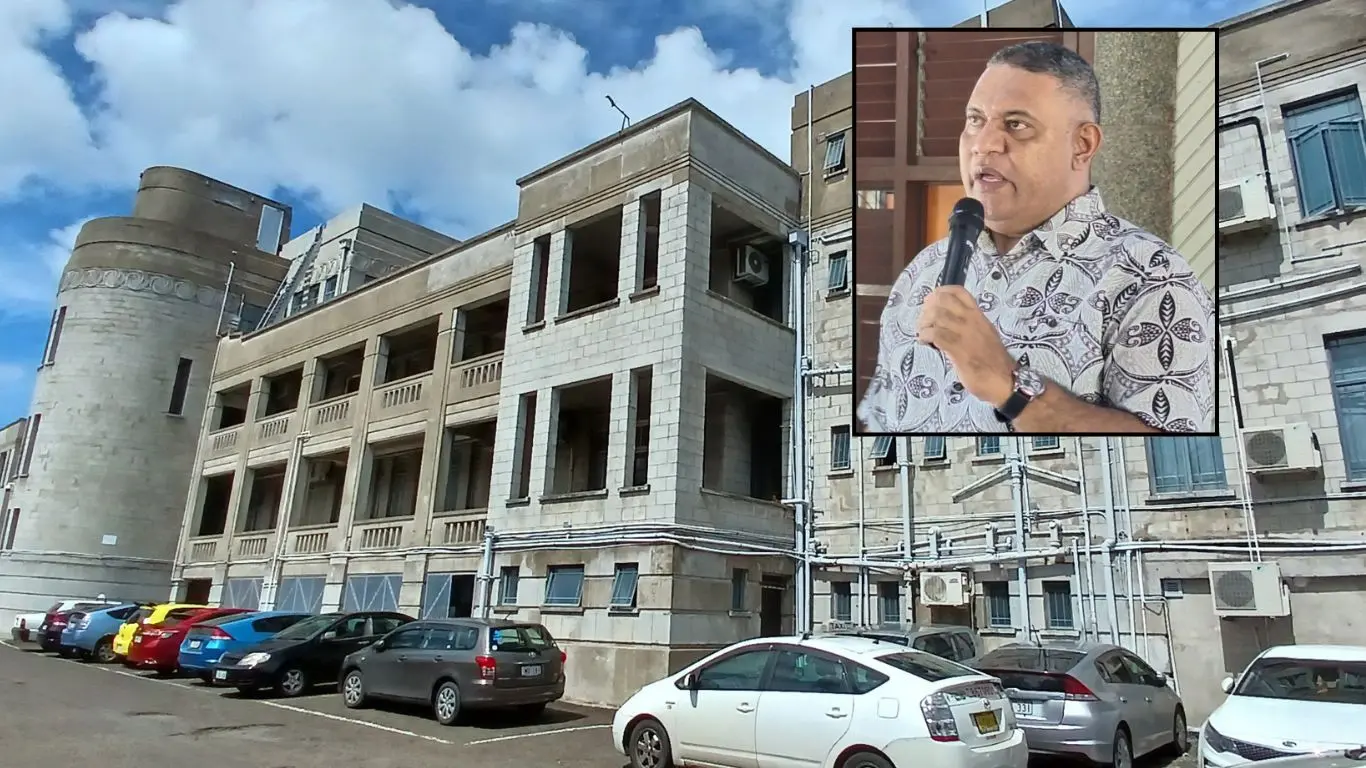
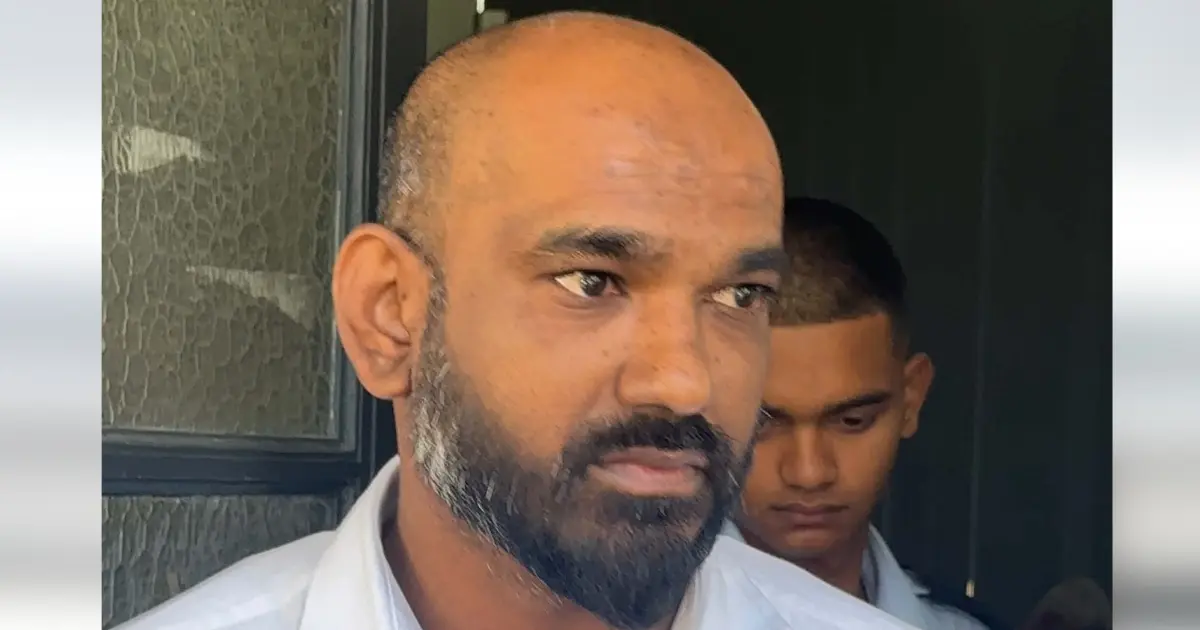
$50 million worth of drugs was reported missing from the Suva High Court exhibit room in September. Inset: Ministry of Policing and Communications Inspector Jemesa Lave.
Police will no longer need to keep seized drugs in storage for years under new provisions of the Counter Narcotics Act, which allow drug testing certificates to be used as evidence in court instead of physical exhibits.
Ministry of Policing and Communications Inspector Jemesa Lave said missing drug exhibits were a major challenge for Police and prosecutors, particularly when cases took years to conclude.
His comments follow the disappearance of more than $50 million worth of drugs linked to two foreigners jailed in Fiji.
Related stories
The drugs went missing from the Suva High Court exhibit room after years in storage.
Under Section 213 of the Act, once drugs have been tested and an analyst’s certificate confirms a positive result, the defence has 42 days to challenge the certificate.
If no challenge is made within that period, the certificate becomes prima facie evidence in court and can be used in place of the physical drugs.
Mr Lave said the change would ease the burden on Police of keeping seized drugs in secure storage while cases remained before the courts.
“It takes away the burden of Police keeping the drugs in custody to wait for two, three, four, five years, some of the drugs 10 years,” he said.
“Because this is a big challenge to the Police and prosecutors, the drugs go missing.”
Sections 200 to 207 also allow seized drugs to be destroyed administratively, subject to the required approvals, without a court order unless the accused objects.
If an objection is made, the director-general must apply to the court.
Once an analyst’s certificate has been obtained, the drugs may be destroyed with the director-general’s approval.
Mr Lave spoke at a United Nations Office on Drugs and Crime drug policy and data workshop in Nadi on Tuesday.
Feedback: ivamere.nataro@fijisun.com.fj