New Bills propose independent military prosecutors
Captain Stephanie Dunn said the proposed independent prosecution arm would ensure impartiality in decisions on whether charges should be laid against military personnel.
Thursday 19 November 2026 | 08:00

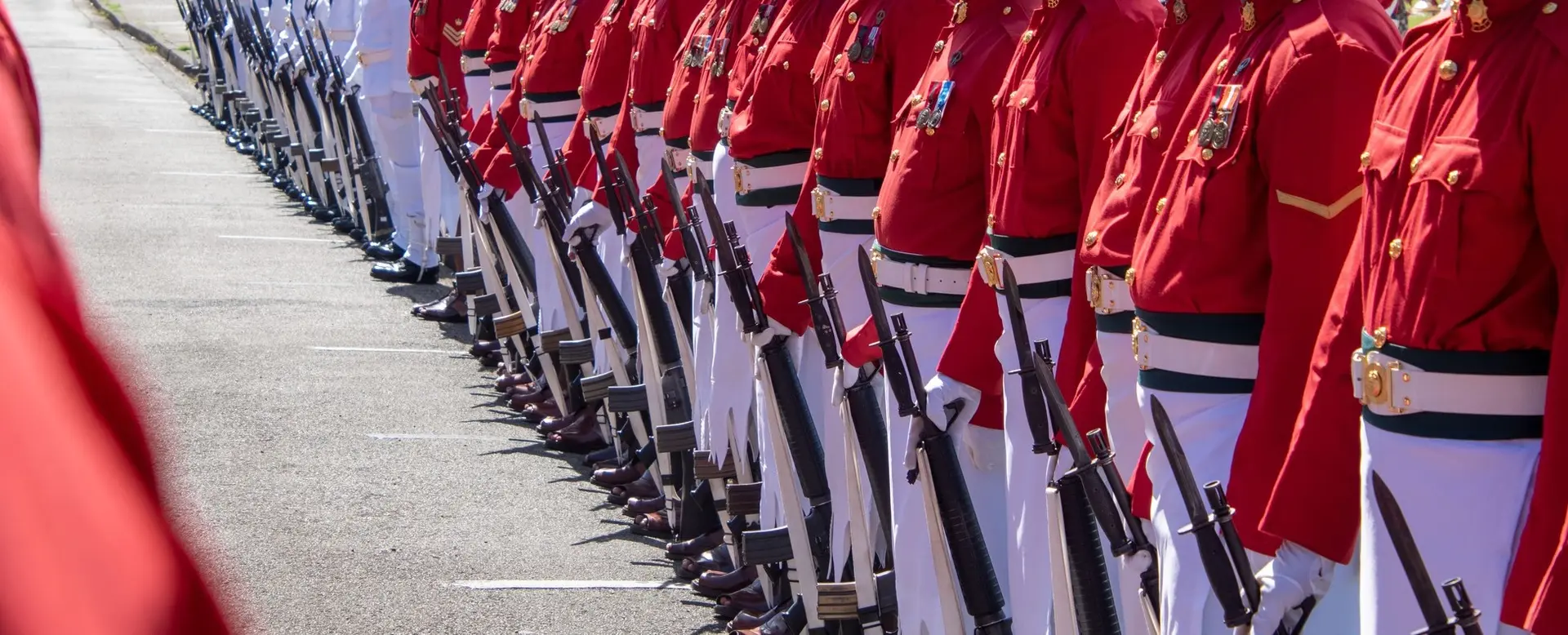
Military prosecutors would be able to make charging decisions free from command influence under proposed reforms aimed at strengthening accountability and protecting the rights of Republic of Fiji Military Forces (RFMF) personnel.
The reforms, which include an independent military prosecution arm and a Military Court under the High Court, were outlined during public consultations on the Republic of Fiji Military Forces Bill 2026 and the Military Justice Bill 2026 at the Nadi Civic Centre yesterday.
Related stories
Captain Stephanie Dunn said the proposed independent prosecution arm would ensure impartiality in decisions on whether charges should be laid against military personnel.
The proposed Military Court would also strengthen judicial oversight and introduce checks and balances within the military justice system.
Major Jone Lesivakarua clarified that the proposed Director of Military Prosecution would exercise prosecutorial functions independently, despite the position remaining within the military command structure.
He said the existing Army Act 1955 had been criticised for failing to adequately protect the rights of accused persons.
The proposed legislation seeks to address those concerns, with constitutional rights under sections 13, 14 and 40 highlighted as central to disciplinary proceedings involving military personnel.
Lieutenant (Navy) Atunaisa Waqainabete explained that civil courts would retain jurisdiction over civil offences, while military courts would handle service-specific offences, including absence without leave and desertion.
He stressed the need for clear boundaries between civilian and military legal processes.
Lieutenant Waqainabete also outlined emerging security challenges, including food security, maritime security, illegal fishing and marine pollution.
He said Fiji's obligations under international conventions, including the United Nations Convention on the Law of the Sea, were relevant to maritime operations such as search and rescue.
He highlighted the Navy's expanded law enforcement role at sea, particularly when police and fisheries officers were not present.
Lieutenant Waqainabete also clarified that the military would continue to play a role in internal security despite proposed constitutional amendments removing the word “security” from its formal responsibilities.
However, he said military involvement in internal security would require written Cabinet approval through the Minister responsible for Defence.
Public submissions will be considered before the proposed legislation is finalised.
Consultations continue today at the Returned Services League Hotel in Lautoka at 9am.
Photo caption: Captain Stephanie Dunn, Major Jone Lesivakarua and Lieutenant (Navy) Atunaisa Waqainabete during public consultations at the Nadi Civic Centre. Photo: Mereleki Nai.